THE year 2025 has been a destructive one for the global climate, marked by extreme heatwaves, fires, catastrophic typhoons, and flooding.
According to the World Meteorological Organisation (WMO), extreme heat — followed by dangerously high daytime and overnight temperatures — has affected millions of people around the world, underlining the importance of early warnings and heat-health action plans.
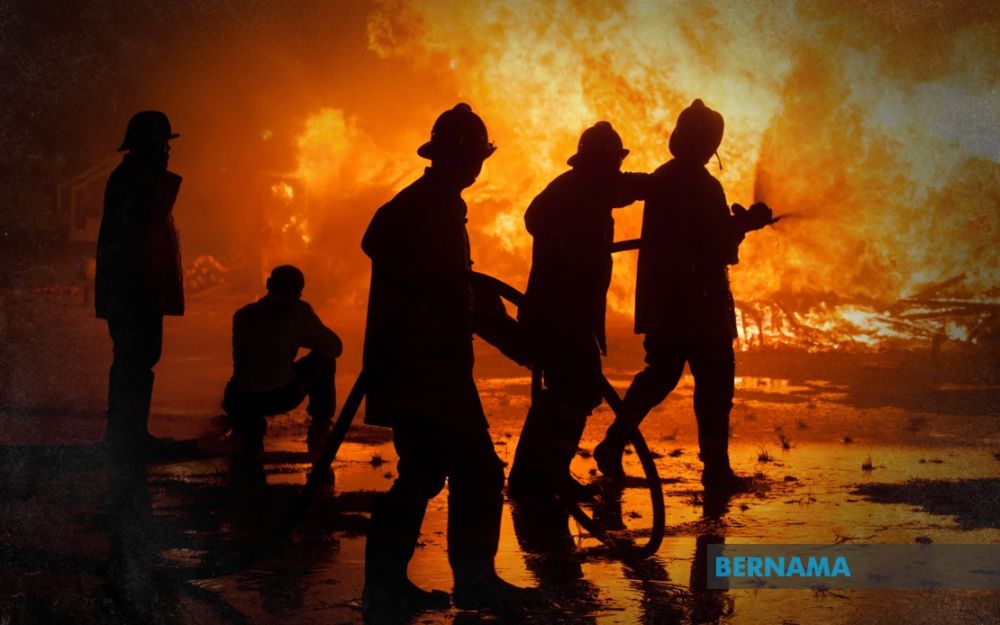
Significant heatwaves were observed in North America, triggering wildfire disasters, while Europe and many parts of Asia experienced record-breaking temperatures that posed serious health risks.
The WMO cited July 2025 as the third-warmest July globally, after July 2023 and 2024, according to the EU’s Copernicus Climate Change Service.
Extreme weather & climate events
“Extreme weather and climate-related events to August 2025 had a major global impact, as compounding impacts of these events have damaged cropland, eroded livelihoods, deepened poverty, and contributed to displacement across multiple regions,” WMO said in its report on the state of the global climate.
Japan observed its highest temperature of 41.8 °C at Isesaki on Aug 5. Heat records were also set in many places in China.
“The California wildfires in January resulted in 30 deaths, with 260,000 evacuated, resulting in the largest ever economic losses for a wildfire event of US$40 billion,” WMO noted.
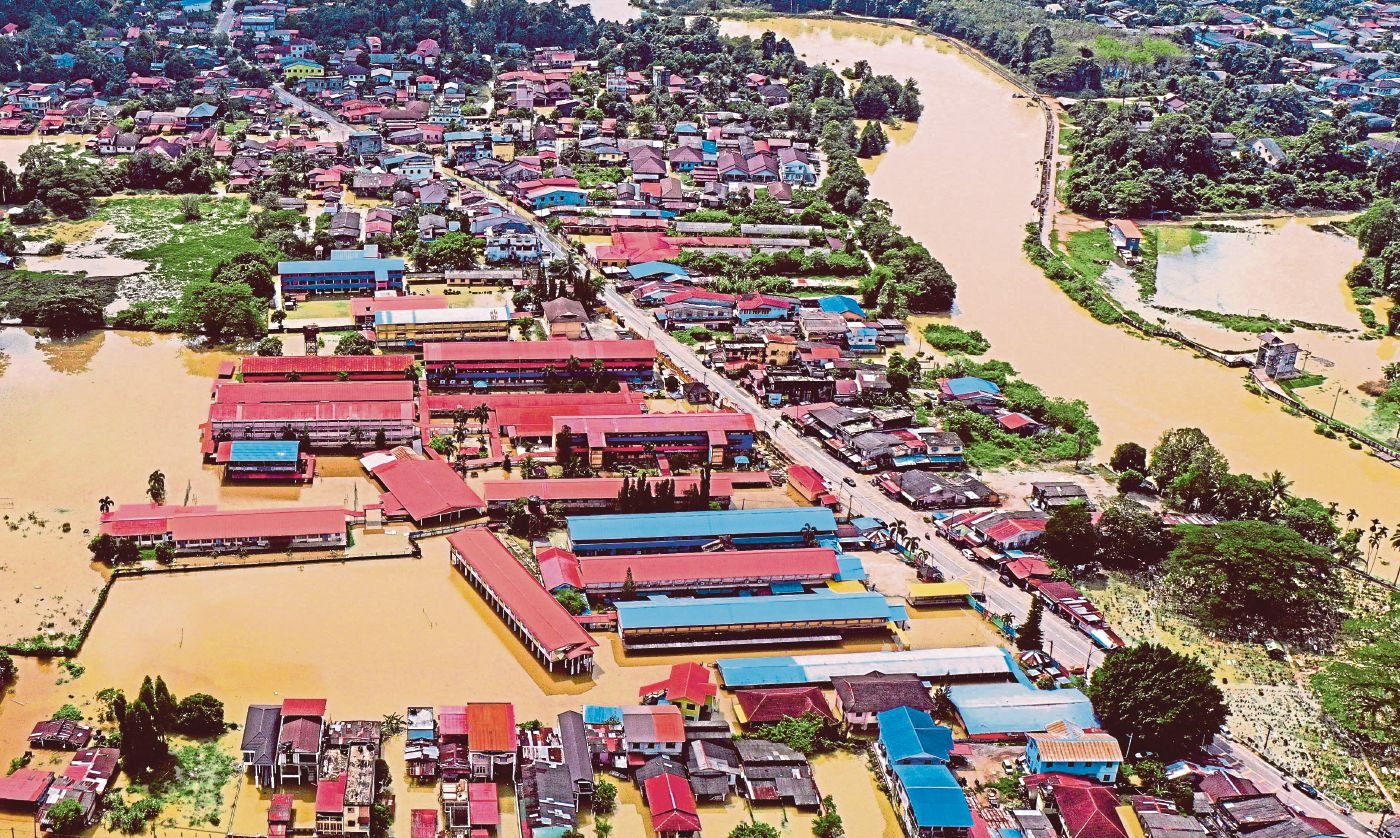
The most severe impacts occurred in Pakistan, where 881 flood-related deaths have been reported as of Sept 2.
Observed ocean warming indicates that the Earth is currently out of energy balance. The rate of warming reveals how rapidly the Earth system is trapping surplus energy in the form of heat, with more than 90 per cent of that energy absorbed by the oceans.
The WMO warned that ocean warming has far-reaching consequences, including the degradation of marine ecosystems, loss of biodiversity, and a weakening of the ocean’s role as a carbon sink.
“It intensifies tropical and subtropical storms, accelerates sea-ice loss in the polar regions, and — together with melting land ice — drives sea-level rise. This warming is projected to continue, representing a change that is irreversible on centennial to millennial timescales.”
Scientific reports have also indicated that extreme ocean heat fuelled massive typhoons and flooding.
Super Typhoon Ragasa — known as Nando in the Philippines — battered China, the Philippines, Taiwan, Hong Kong, and Vietnam in September, and was reported as the world’s strongest tropical cyclone in 2025, according to various news reports.
Ragasa caused flooding, evacuations, injuries, deaths, and economic losses.
Although a prophecy of a July mega-earthquake in Japan by a manga artist did not materialise, Japan experienced a series of strong earthquakes in December, mainly in the northeastern region, triggering tsunami alerts, mild injuries, and evacuations.
Paris Agreement
The WMO said global climate predictions indicate that temperatures are expected to remain at or near record levels over the next five years, increasing climate risks and impacts on societies, economies, and sustainable development.
Under the Paris Agreement, countries agreed to keep the increase in long-term global average surface temperature well below 2 °C above pre-industrial levels (1850-1900) and to pursue efforts to limit the rise to 1.5 °C.
“The scientific community has repeatedly warned that warming of more than 1.5 °C risks unleashing far more severe climate change impacts and extreme weather, and every fraction of a degree of warming matters,” the WMO stated.
COP30
The United Nations Climate Change Conference (COP30) was held in Brazil in November to address the climate crisis and advance the goals of the Paris Agreement.
It was reported that, while COP30 achieved some progress, including a target to increase adaptation finance to US$120 billion per year, funding levels remain far below the needs of developing countries. There is also a lack of roadmaps to phase out fossil fuels and halt deforestation.
Institute of Strategic & International Studies (ISIS) Malaysia, Climate, Environment and Energy, Researcher Zayana Zaikariah, said COP30’s agreement to triple adaptation finance by 2035 also does not provide clarity on how funding would be mobilised.
“This is a critical concern for developing economies already facing fiscal constraints,” she told Bernama.
“For ASEAN and the rest of the developing world, COP30 offers incremental progress, but not the scale and certainty of support required to underpin a credible and timely green transition,” she added. – BERNAMA