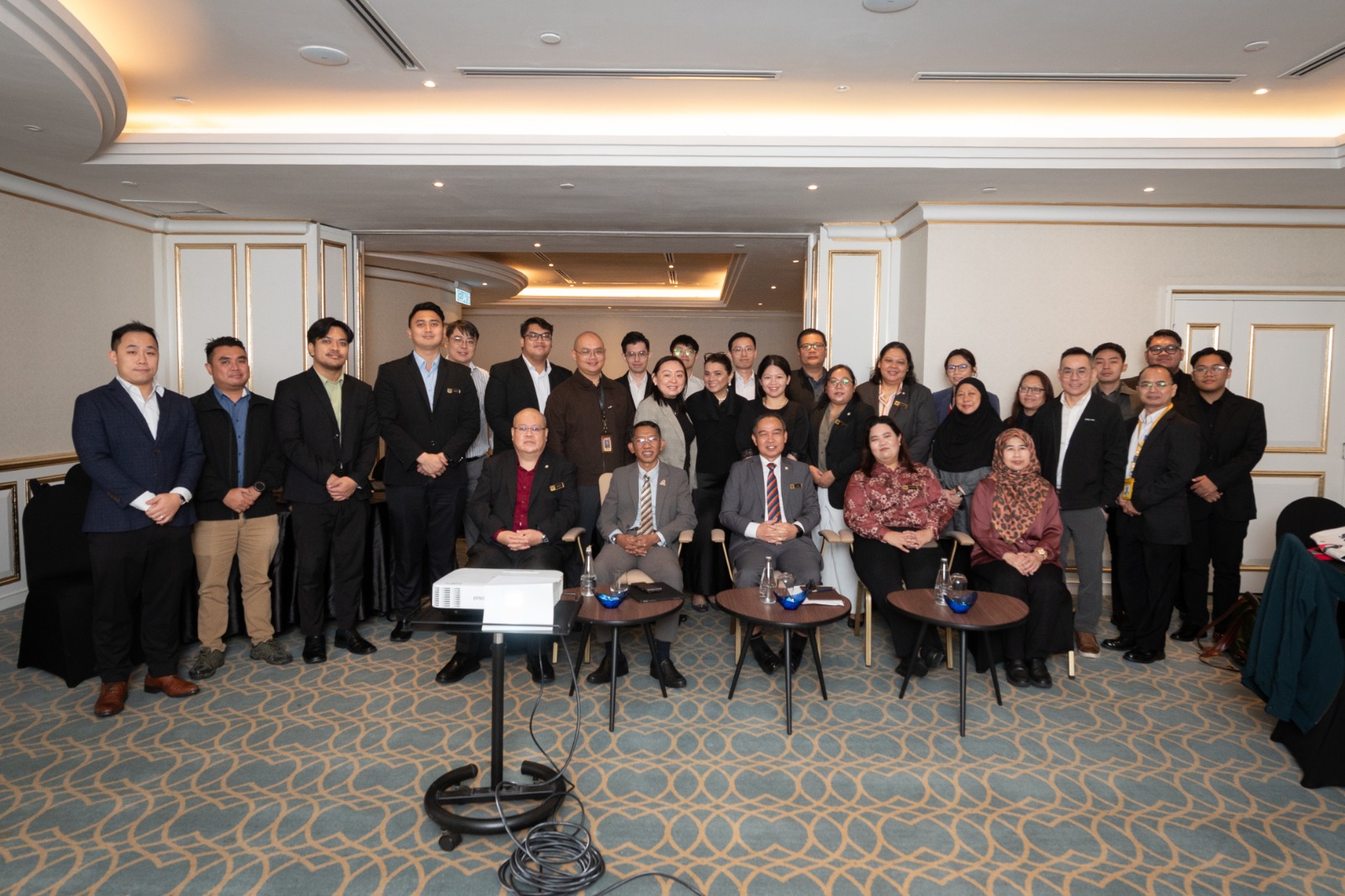
KUCHING: Sarawak takes a step further to strengthen its greenhouse gas governance by successfully holding a discovery and needs assessment workshop for Phase 2 of the Greenhouse Gas Management System (GHG-MS) at the Riverside Majestic Hotel on January 9.
The workshop brought together 30 participants from the Sarawak State Attorney-General’s Chamber, the Ministry of Energy and Environmental Sustainability Sarawak (MEESty), the Natural Resources and Environment Board Sarawak (NREB), SAINS, Accenture and PwC, marking a key milestone in advancing the next phase of the GHG-MS, particularly in relation to carbon levy and carbon credit management.
The primary focus of the workshop was to identify system requirements and development needs for GHG-MS Phase 2, which was expected to enhance Sarawak’s capacity to manage greenhouse gas emissions in line with its climate commitments and regulatory framework.
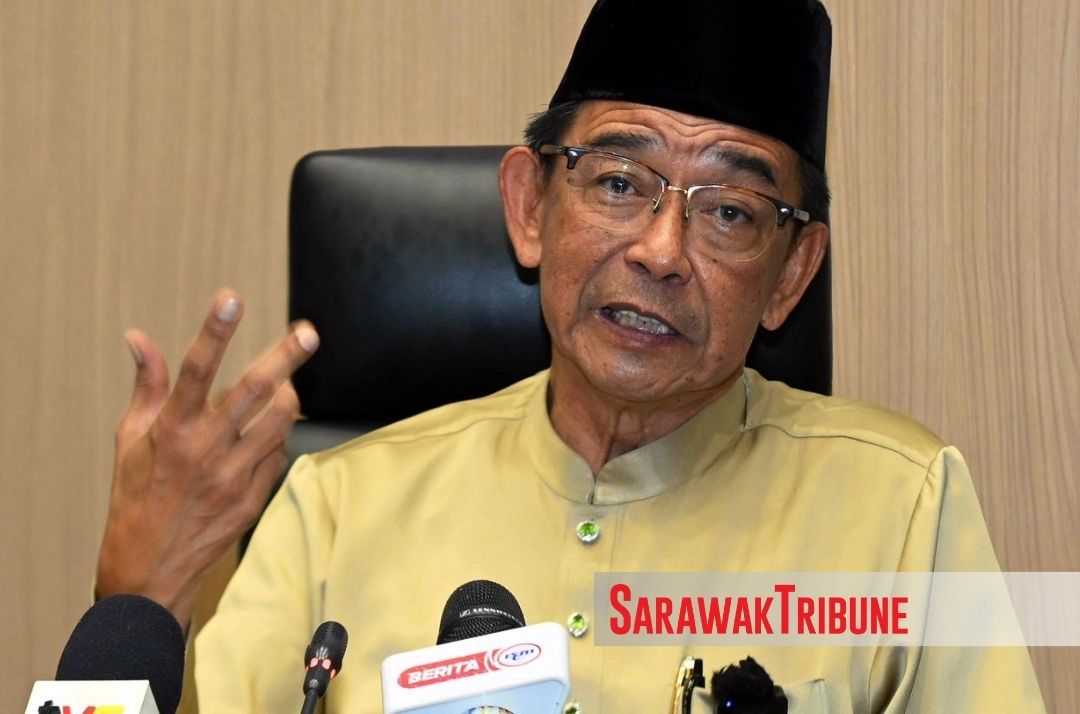
In his opening remarks, Datuk Jack Liam, Controller of Environmental Quality Sarawak, stressed the importance of developing a robust and future-ready system to support effective climate governance in the state.
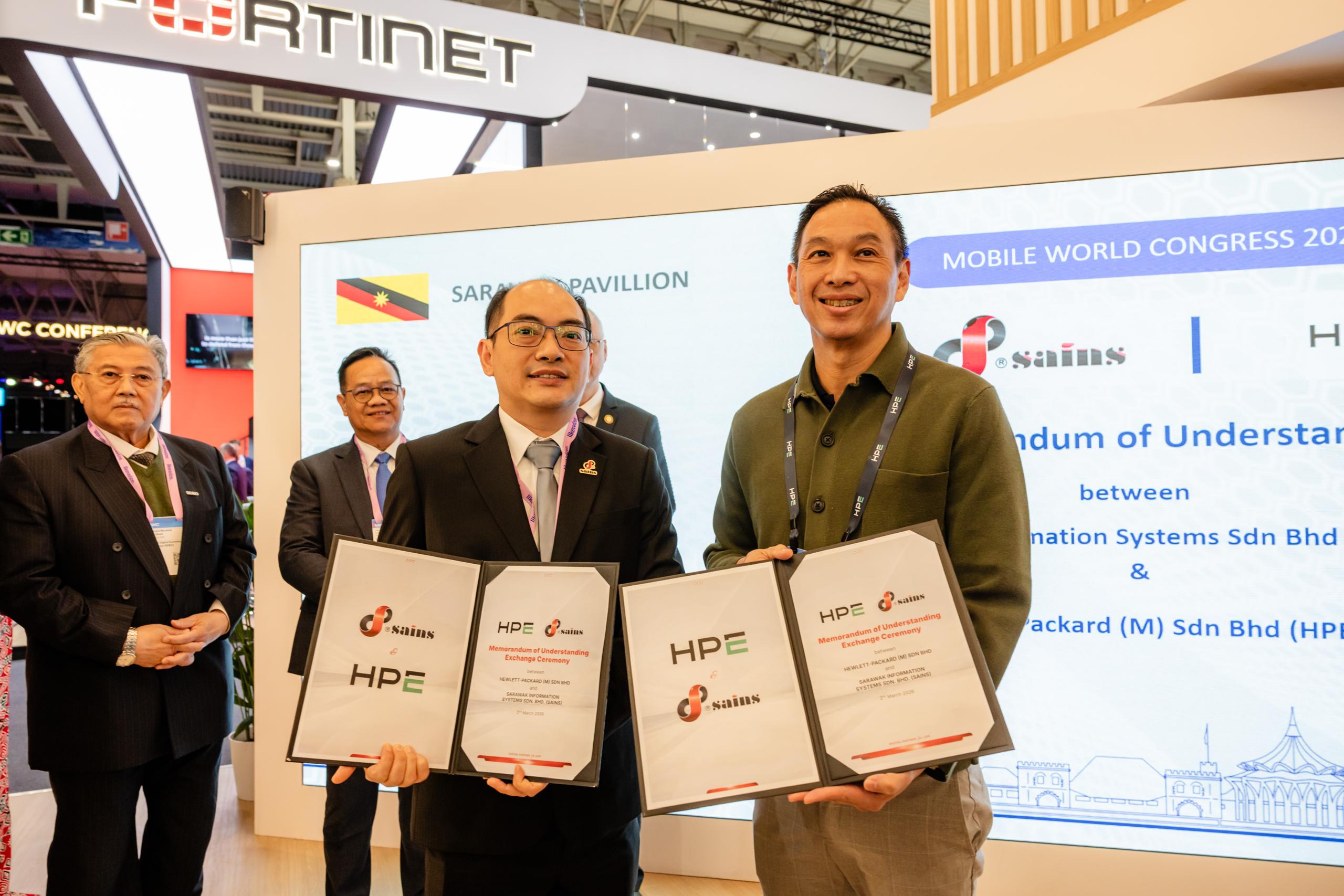
The session was also attended by Busiai Seman, the chief executive officer of Sarawak Information Systems Sdn Bhd (SAINS).
Participants were briefed by the Ministry of Energy and Environmental Sustainability Sarawak, on relevant policies, strategies, roadmaps and the proposed carbon levy mechanism to ensure alignment between system development and Sarawak’s long-term climate objectives.
The workshop also featured a sharing session on Singapore’s Emissions Data Monitoring and Analysis (EDMA) system, highlighting its application in carbon tax administration and offering insights into emissions data management, taxation mechanisms and compliance processes.
A needs assessment exercise enabled participants to identify key deliverables and define the scope for GHG-MS Phase 2.
The programme concluded with a walkthrough of proposed system modules and a tentative implementation timeline, providing a clearer direction for the next stage of the GHG-MS development.