KUCHING: Sarawak is steadily expanding access to clean water in rural areas, with coverage now reaching about 71 per cent.
Overall, statewide water supply coverage has climbed to approximately 85.6 per cent.
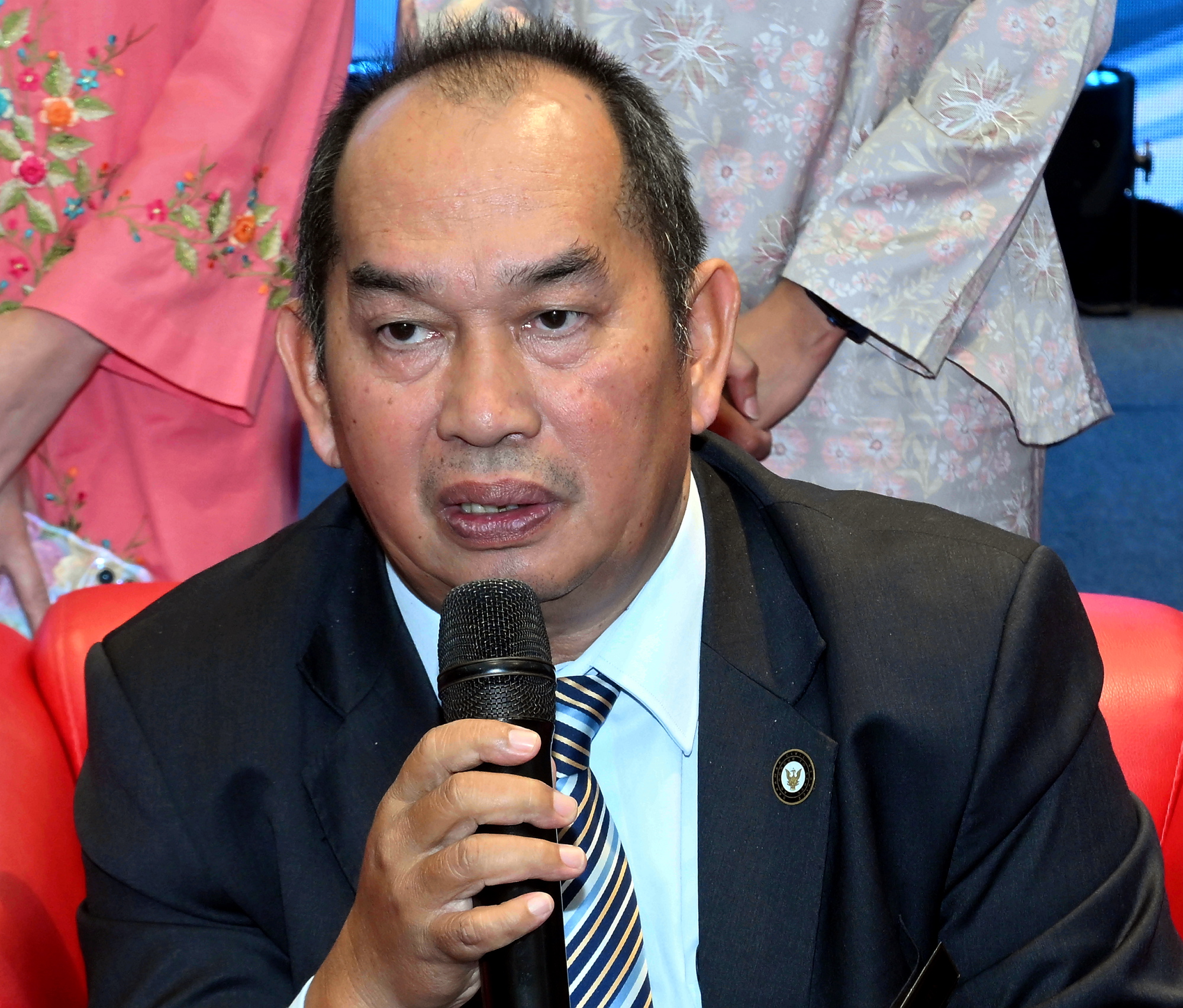
Rural Water Supply Department (JBALB) Sarawak director Ahmad Selihin Che Said said the department is targeting an annual increase in rural water supply coverage of between two and six per cent, depending on population growth and the development of communities in specific areas.
He said that progress in water supply expansion must be assessed annually because the number of households continues to grow alongside population increases.
“If the population remained static, it would be easier to achieve the targets. However, the reality is that the number of households keeps increasing and communities continue to expand, so coverage targets must be adjusted based on current conditions,” he said.
He was speaking to reporters after officiating the JBALB Sarawak World Water Day 2026 celebration at Raia Hotel & Convention Center on Monday (March 9).
Ahmad Selihin revealed that the Sarawak government has allocated about RM558 million over the past five years to implement rural water supply projects across the state.
Out of the total allocation, 216 projects have been planned.
So far, 28 projects have been completed, 114 are currently under construction, and 52 are still in the planning stage, with implementation scheduled to begin gradually by 2027.
He added that expanding access to clean and safe water goes beyond infrastructure development, as it also plays a crucial role in improving community well-being and overall social development.
This year’s World Water Day 2026 theme, “Water and Gender,” highlights the close relationship between water resource management and gender equality in society.
According to Ahmad Selihin, women often play a vital role in water management within households and communities, particularly in rural areas.
“Therefore, participation from all parties regardless of gender is essential to ensure water resources are managed in a more inclusive, sustainable and effective manner,” he said.
He also said that many women officers within JBALB are actively contributing in technical fields, operations, project management and strategic planning to ensure Sarawak’s water supply system continues to operate at an optimal level.