KUCHING: The Sarawak government, through the Sarawak Forestry Department, is committed to achieving its goal of certifying all long-term forest timber licences, says Deputy Premier Datuk Amar Awang Tengah Ali Hasan.
To realise this aspiration, he stated that, up to now, 21 Forest Management Units (FMUs) and seven Forest Plantation Management Units (FPMUs) covering 1.89 million hectares and 97.9 million hectares, respectively, have been certified according to the Forest Management Certification (FMC) Policy.
Of these, he said that 12 FMUs, covering an area of 865,547 hectares, are located in the Heart of Borneo (HoB) areas.
He asserted that the implementation of sustainable forest management (SFM) is essential to strike a balance between economic, social, and environment prosperity.
“SFM can have a positive impact on social livelihood, the environment, and the economy as a whole by increasing the productivity of forests and the services they provide to ecosystems while also reducing the negative impacts of climate change on the environment.
“Therefore, we are striving to achieve the goal of certifying all long-term forest timber licences in the state.”
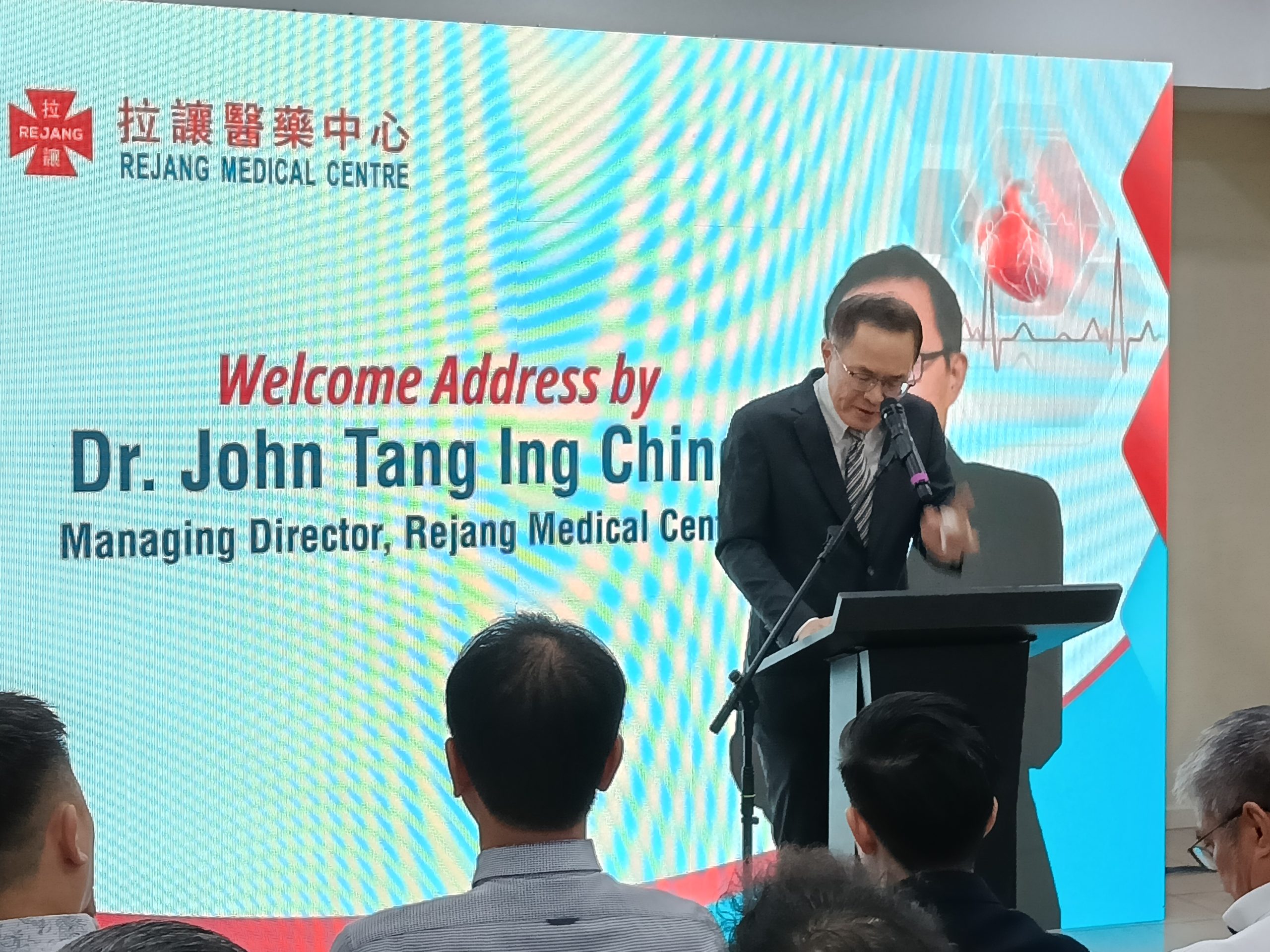
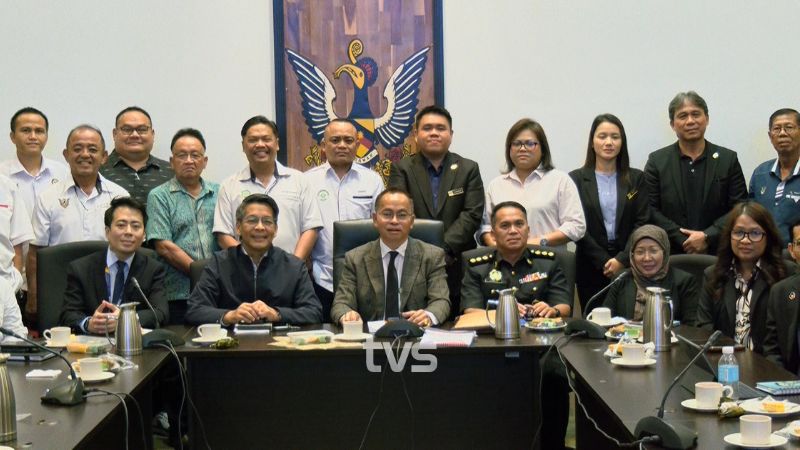
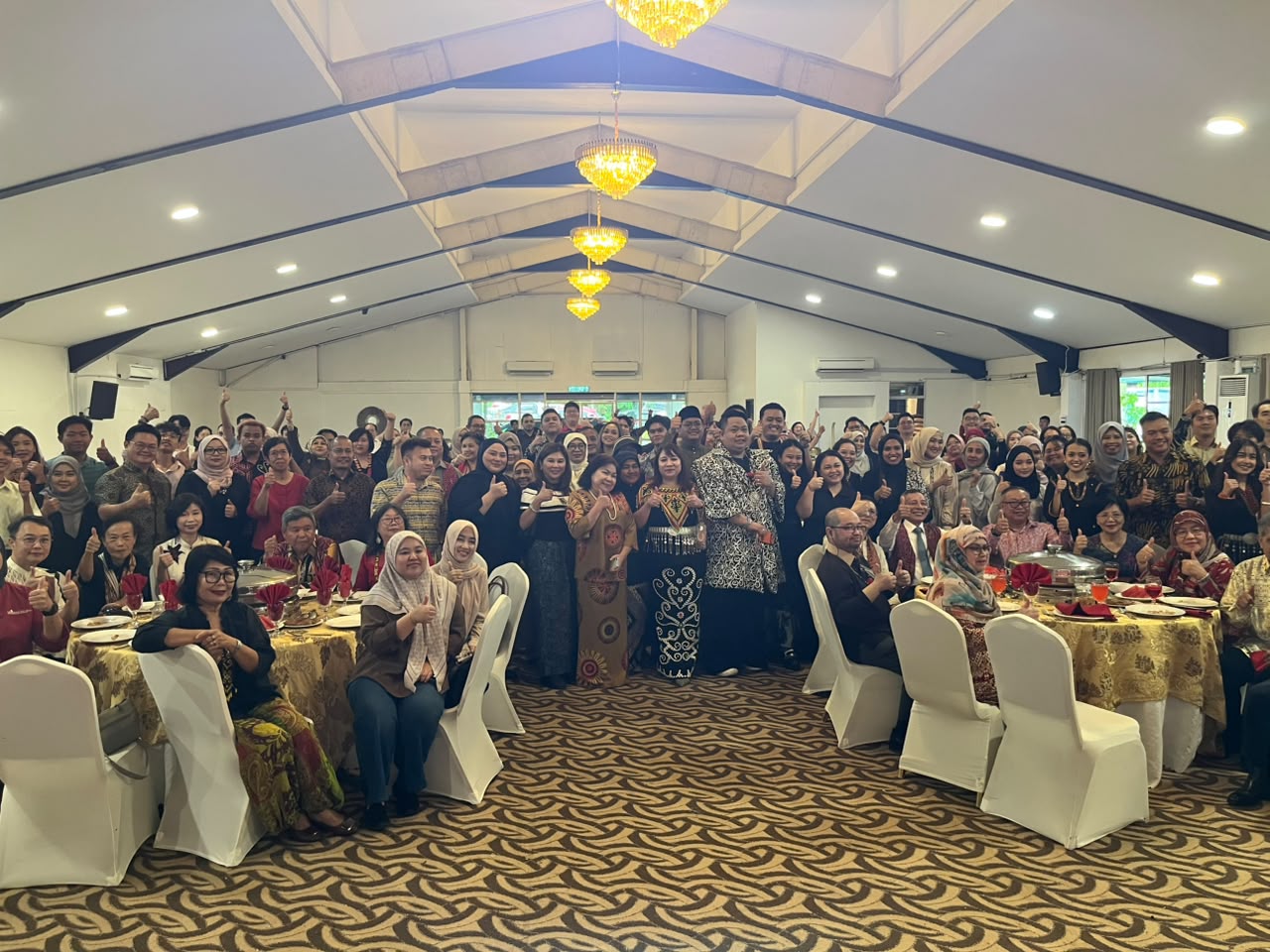
Awang Tengah made these remarks in his speech read by Deputy Minister for Urban Planning, Land Administration and Environment, Datuk Len Talif Salleh at the Heart of Borneo (HoB) Seminar here today (Oct 12).

However, he lamented that SFM faced various challenges, including rapid population growth, development needs, and unplanned urbanisation.
To combat forest and biodiversity depletion and enhance sustainability, he stressed that SFM must ensure that development infrastructure is compatible with the environment.
“Forest Management Certification (FMC) is a key tool for implementing SFM to make sure that it meets international standards and minimises the environmental impacts of forest operations.”
In this regard, Awang Tengah, who also serves as Second Minister for Natural Resources and Urban Development, said that SFM in Sarawak cannot be achieved without the cooperation and commitment of all forestry-related agencies in the state and universities.
“We must continue to cooperate to improve our work and research at all levels with the forests in Sarawak.”
Emphasising the Post-Covid-19 Development Strategy (PCDS) 2030, he said it seeks to position the forestry sector as a leader in the global context of sustainable management of tropical forests and biodiversity conservation, while simultaneously accelerating the development of the timber sector.
He added the forest management strategies and stewardship will be designed to balance deforestation and development, enhance product yield, and improve forest-derived services.
“The strategy includes the restoration of 200,000 hectares of degraded forest areas by 2030, the certification of 3.0 million hectares of long-term natural forest licences, and the certification of 178,000 hectares of forest plantations by 2025, in accordance with the Malaysia Timber Certification Scheme (MTCS), or Forest Stewardship Council.”