KUCHING: The Ministry of Domestic Trade and Cost of Living (KPDN) will identify special zones near border areas for the sale of non-subsidised controlled goods involving Sarawak, Sabah and the Federal Territory of Labuan.
Minister, Datuk Armizan Mohd Ali, said this initiative is essential as subsidised goods are still being sold in border areas.
“Therefore, determining special zones in these border areas is also crucial to enable the sale of non-subsidised controlled goods to neighbouring countries.
“Among the goods allowed to be sold at designated shops in border areas are bottled cooking oil, premium sugar, and Liquefied Petroleum Gas (LPG) cylinders or non-subsidised gas cylinders,” he said.
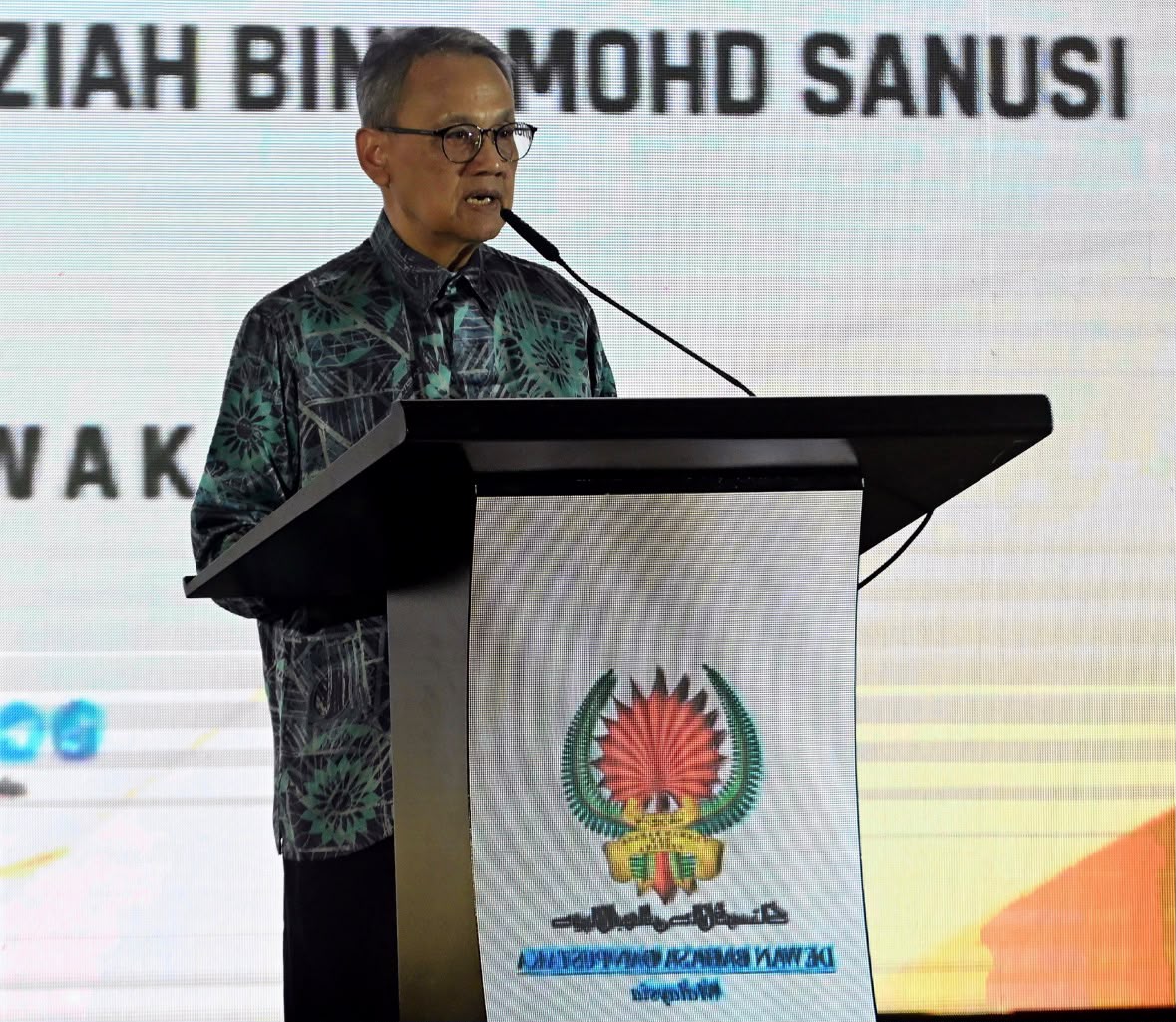
He said this in a press conference after the coordination meeting on enforcement to address controlled goods leakages in Sabah, Sarawak and Labuan at the Borneo Convention Centre Kuching (BCCK) here on Saturday.
He added that this mechanism could also help curb smuggling activities while making it easier for people in border areas such as Indonesia and Thailand to purchase non-subsidised controlled goods.
Elaborating, he explained that KPDN will discuss with the Sarawak government and other stakeholders to identify suitable locations for these special zones.
“This matter will be deliberated, including whether existing shops in those areas can be involved in implementing these special zones,” he said.
Meanwhile, he said that a similar concept had been implemented in Pulau Sebatik, Sabah-Indonesia but was discontinued due to technical issues.
“Initially, sales were brisk. However, problems arose when locals sourced supplies from Tawau, Sabah, outside the island, and sold them illegally to Indonesians.
“Therefore, we are currently working to enhance monitoring on Pulau Sebatik, while also reintroducing the permission to sell non-subsidised goods at the border,” he said.
In addition, regarding efforts to address diesel sale leakages, he said one of the measures being considered for submission to the Federal Cabinet is the implementation of fleet card usage in Sarawak and Labuan.
“This method is currently used in Peninsular Malaysia under the Subsidised Diesel Control System (SKDS) to monitor consumption data of the involved sectors.
“It can also be considered for channeling subsidies to fishermen, who currently use MyKad. Therefore, the Ministry of Agriculture and Food Security is urged to review and consider fleet card usage for diesel subsidy distribution,” he said.