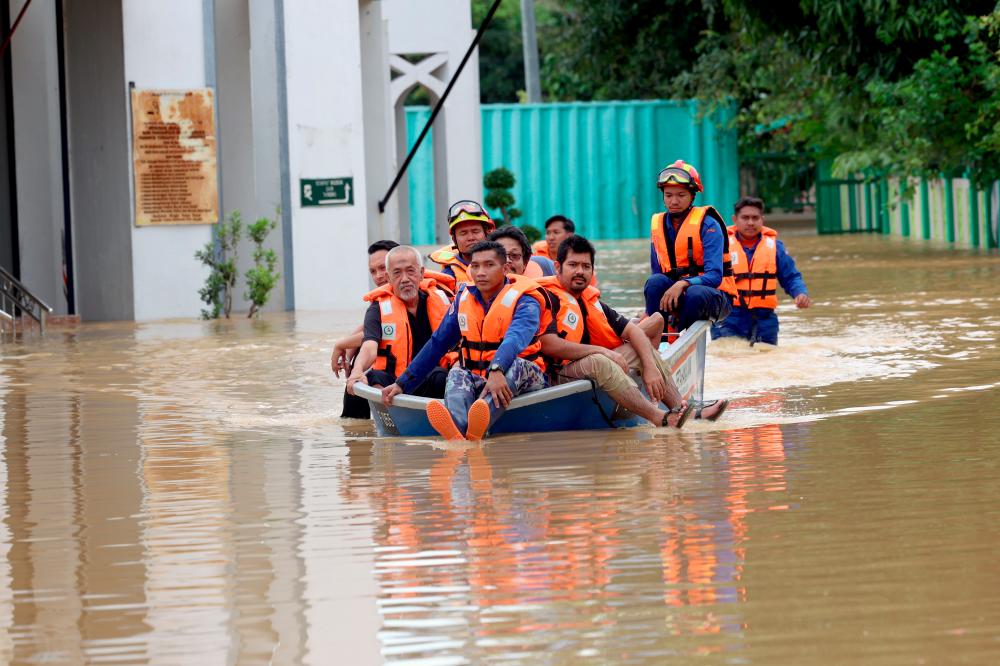
KUCHING: Communities affected by floods have been advised to avoid contact with floodwaters, particularly during evacuation.
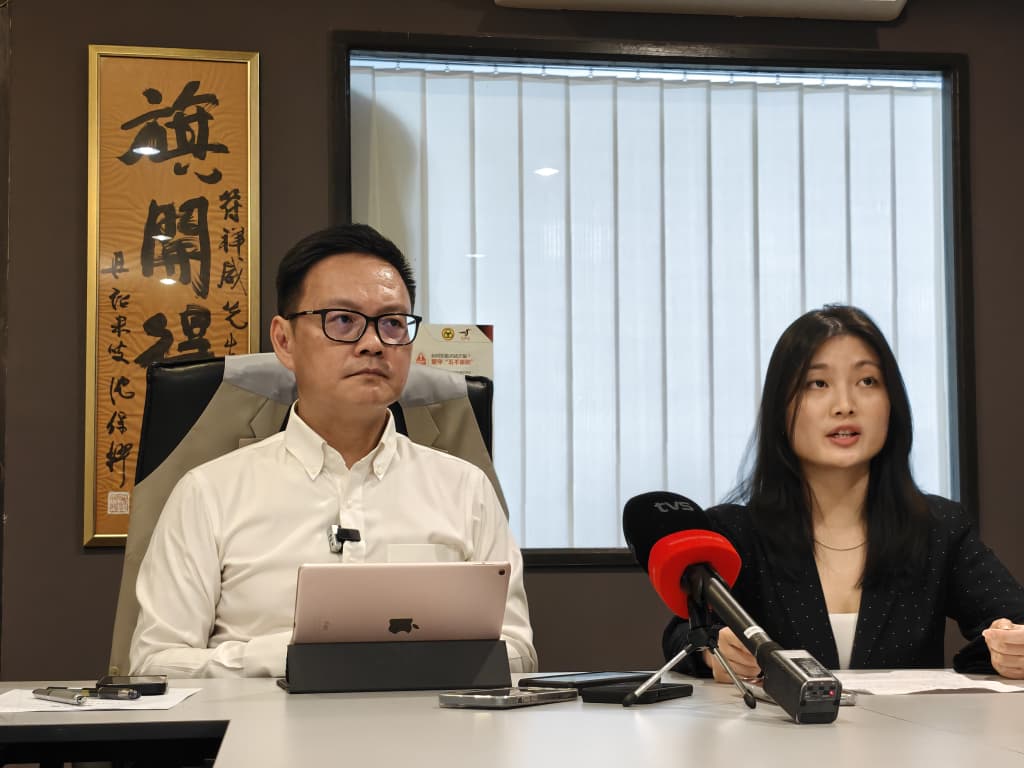
Society of Private Medical Practitioners Sarawak (SPMPS), president Dr Liew Shan Fap said in situations where contact with floodwaters cannot be avoided, wearing waterproof boots and gloves is recommended to minimise exposure.
“After any such contact, individuals should wash their bodies thoroughly with clean water and soap,” he said.
Dr Liew highlighted several key measures to ensure safety during and after floods.
“Drink only clean and safe water, such as boiled, filtered, or bottled water. Avoid eating raw or contaminated food.
“In areas with mosquitoes, use mosquito repellent and wear protective clothing. After the flood, clean and disinfect your house, especially household items like utensils, furniture and clothing.
“Practice good personal hygiene to prevent infections, such as frequent handwashing with soap,” he said.
He also said that residents in high-risk areas should consider getting vaccinated against typhoid and cholera, diseases that pose a significant threat after flooding.
“Seek medical help if you experience diarrhoea, fever, vomiting, or any signs of illness.
“The main health risks during a flood include dehydration, as access to clean drinking water may be difficult, and injuries, such as cuts or wounds from debris in floodwaters.
“There is also a risk of drowning, especially in deep or unfamiliar areas,” he said.
Besides, he said that waterborne and vector-borne diseases are among the most common health concerns during and after a flood.
“Contaminated food and water can cause gastroenteritis, cholera, typhoid, and leptospirosis.
“In endemic areas, stagnant water can increase the spread of dengue fever and malaria, which are transmitted by mosquitoes,” he said.
Additionally, Dr Liew mentioned how floods can contaminate water sources with bacteria, viruses, and toxic chemicals, increasing the risk of various diseases.
“Food poisoning and gastroenteritis can occur due to bacteria, viruses, or toxic chemicals in food or water.
“Dysentery, which involves severe diarrhoea with blood or mucus, is caused by bacterial or amoebic infections.
“Leptospirosis is another serious risk, caused by bacteria from animal urine, such as that from rats, found in floodwaters,” he said.