BY NURIN PATRA & NATASHA JEE
KUCHING: Future leadership in Sarawak should leverage the state’s strengths while harnessing technology to drive progress and innovation.
Premier Datuk Patinggi Tan Sri Abang Johari Tun Openg highlighted Sarawak’s abundant resources, particularly the vast water sources that hold the key to a thriving hydrogen economy.
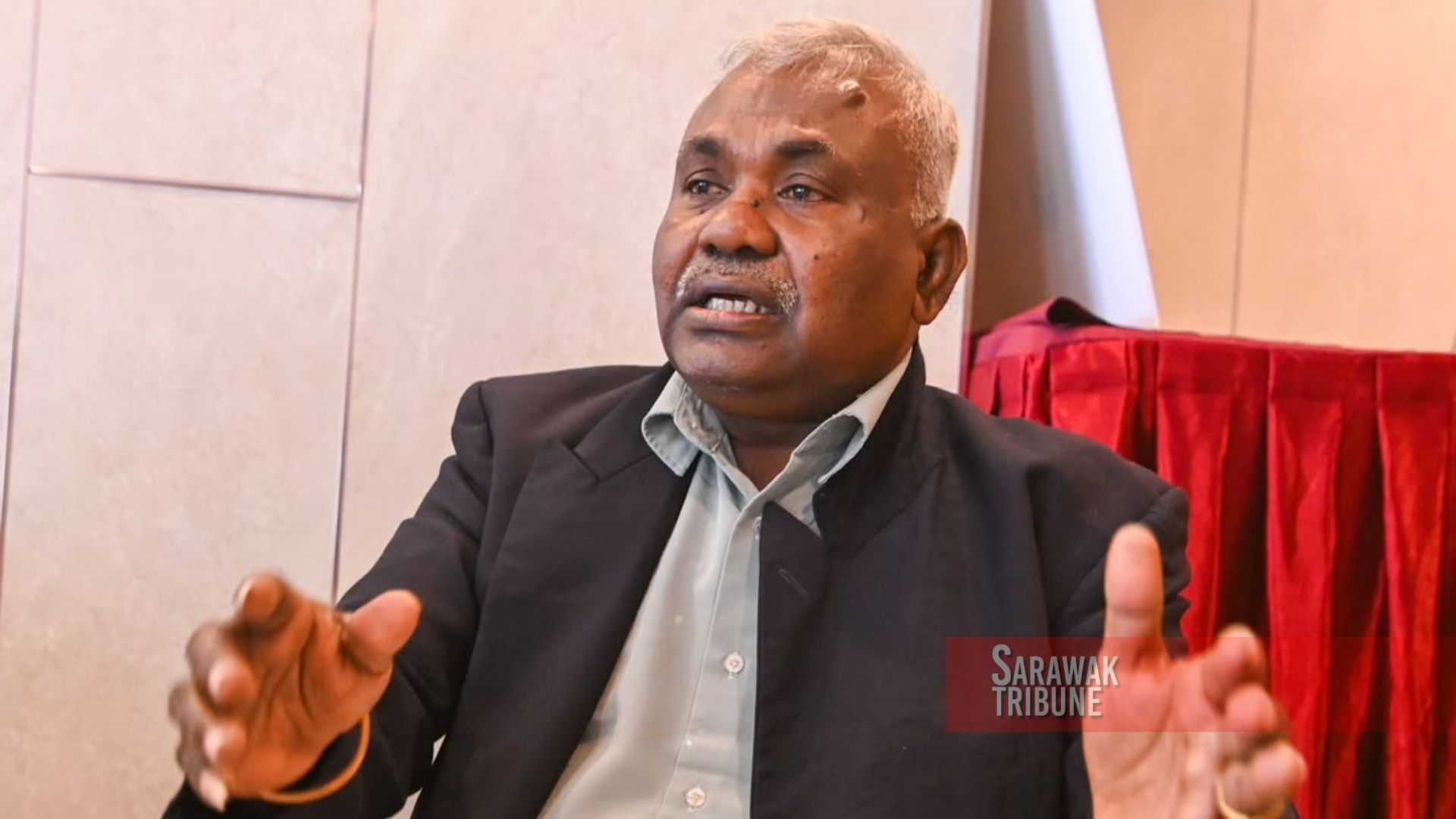
“I always remind people that while resources are available, without good policy and technology, they remain untapped. You just look at the resources, the resources look at you,” he said during his keynote address when officiating at the Contemporary Leadership International Summit 2025 (CLIS2025) held at Riverside Majestic Hotel today.
Hence earlier, Abang Johari said that in Sarawak, the strategic vision has driven economic growth and digital transformation, placing the state ahead in innovation and sustainability.
“Leaders with foresight align their actions with long-term objectives while remaining agile in an unpredictable world.
“Equally critical is trustworthiness, the foundation upon which all leadership stands. Around the world, public confidence in leadership is eroding, a result of inconsistent governance and ethical compromises.
“Trust cannot be demanded as it must be earned through accountability, transparency, and ethical responsibility,” he said, adding that transparent governance fosters investor confidence, ensures economic stability, and strengthens public trust.
“Inclusivity must be at the heart of leadership. A leader’s success is not defined by personal achievements but by how many others they empower.
“The world’s challenges today, whether economic inequality, climate change, or technological shifts, require leadership that is collaborative, participatory, and representative of all voices or communities.
“I am proud to see that we have demonstrated this element through inclusive policies that ensure economic and infrastructural development which reaches every corner of the state, proving that leadership must serve all, not just serving a selected few,” he said.
Leadership today, he said, must evolve with strategic foresight to anticipate challenges, seize opportunities and align actions with long-term objectives.
He also said traditional models, rooted in hierarchy and authority, often lack adaptability, while modern leadership, though flexible, sometimes compromises on ethics and long-term vision.
“This is where contemporary leadership emerges, not just as an alternative, but as a necessity. The concept of contemporary leadership is built on three fundamental pillars which are strategic foresight, trustworthiness, and inclusivity.
“To ensure these principles take root, we must institutionalise them, nurture future leaders especially from amongst the next generation, and create a structured pathway for leadership development. This is why we must act now,” he said.