Belaga-born sape prodigy Mohd Ikhmal Hakim, or Cimal, is set to represent Malaysia at the World Championships of Performing Arts, blending tradition and modernity as he brings Sarawak’s iconic lute to the global stage.
A twist of fate that leads to the global stage
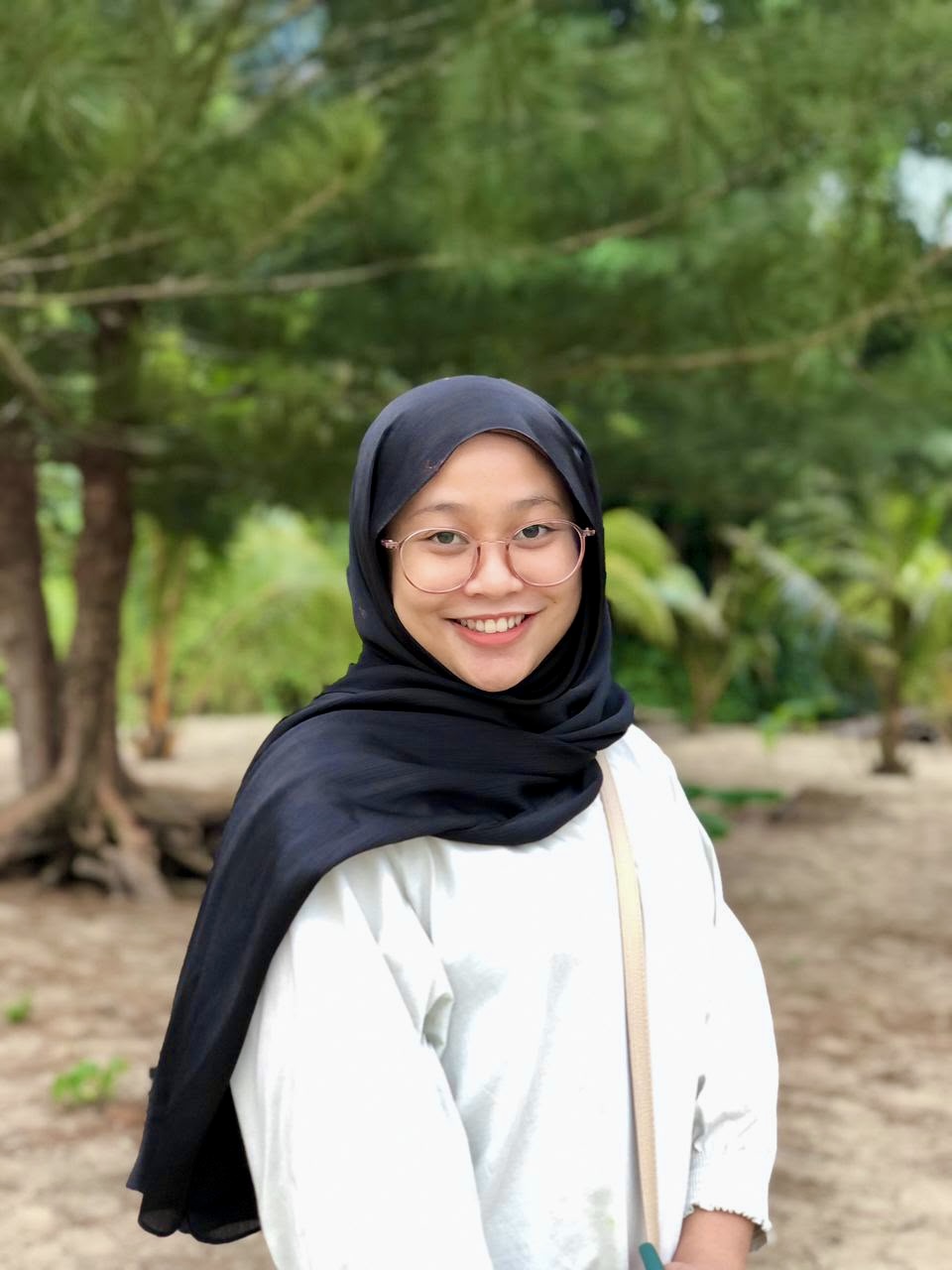
AT just 19, Mohd Ikhmal Hakim Nicolas Changing — better known as Cimal — is about to take the sound of the sape to one of the biggest international stages.
Hailing from Belaga and now living in Kuching, this rising star is set to showcase the ethereal sounds of Borneo’s sape on the world stage at the World Championships of Performing Arts (WCOPA) 2025.
Dubbed the ‘Olympics’ of performing arts, WCOPA will bring together talents from over 70 countries in Long Beach, California, from July 15 to 26.
But Cimal’s journey to WCOPA wasn’t planned — it was a twist of fate. A last-minute audition, borrowed shoes and sheer passion led him to this moment.
Now, as he prepares to compete in five instrumental categories, he carries more than just his sape — he carries the heritage of the Orang Ulu people and the dream of seeing his music resonate across the world.


Spellbound by the strings
Proudly carrying a mix of Malay, Iban and Sekapan heritage, Cimal first fell in love with the hypnotic tones of the Orang Ulu lute after witnessing a performance at the Rainforest World Music Festival in 2017.
“The way the strings resonated, flowing through the air like a river, left me utterly spellbound,” he told Sarawak Tribune in an exclusive interview at his home at Jalan Sultan Tengah.
That moment planted a dream in his heart — one that would eventually take him to the global stage.
Since then, he has built a strong presence in the local music scene, competing in major competitions such as Sarawak Got Talent 2023, Pertandingan Persembahan Seni Kreatif ASWARA 2024, Sape Junior 2024 (RTM Kuching), and Borneo Sape Competition 2025.
His growing reputation also earned him the title of Sape Ambassador for Yayasan Perpaduan Sarawak (YPS).
Most notably, his talent was recognised when he won gold at the Malaysia Competition of Performing Arts (MCOPA) 2025, securing his place to represent the country at WCOPA.

A leap of fate
Cimal’s journey to WCOPA was anything but planned — in fact, he almost didn’t audition.
“I saw the audition notice for the MCOPA (East Malaysia chapter) 2025 a week before, but I decided not to go because it clashed with my teaching schedule,” he recalled.
But fate had other plans. On February 8, at Star On Stage in Kuching, he dropped by just to support his friends. Little did he know, they wouldn’t let him stay on the sidelines.
With some convincing — or rather, insistence — they pushed him to take the stage.
“I didn’t even have my sape with me. No proper attire, not even shoes. But my friends lent me everything I needed. So I just went for it,” he said.
That spontaneous decision turned out to be life-changing.
He made it through and is now preparing to represent Malaysia on an international stage alongside other Sarawakian talents, including Baptista Emmanuell Korintus (10), Jane Thien Jing (12), and Shawn Thien Shuen (15).
Keeping the sape spirit alive
But for Cimal, success isn’t just about accolades. It’s also about ensuring that the sape’s legacy endures.
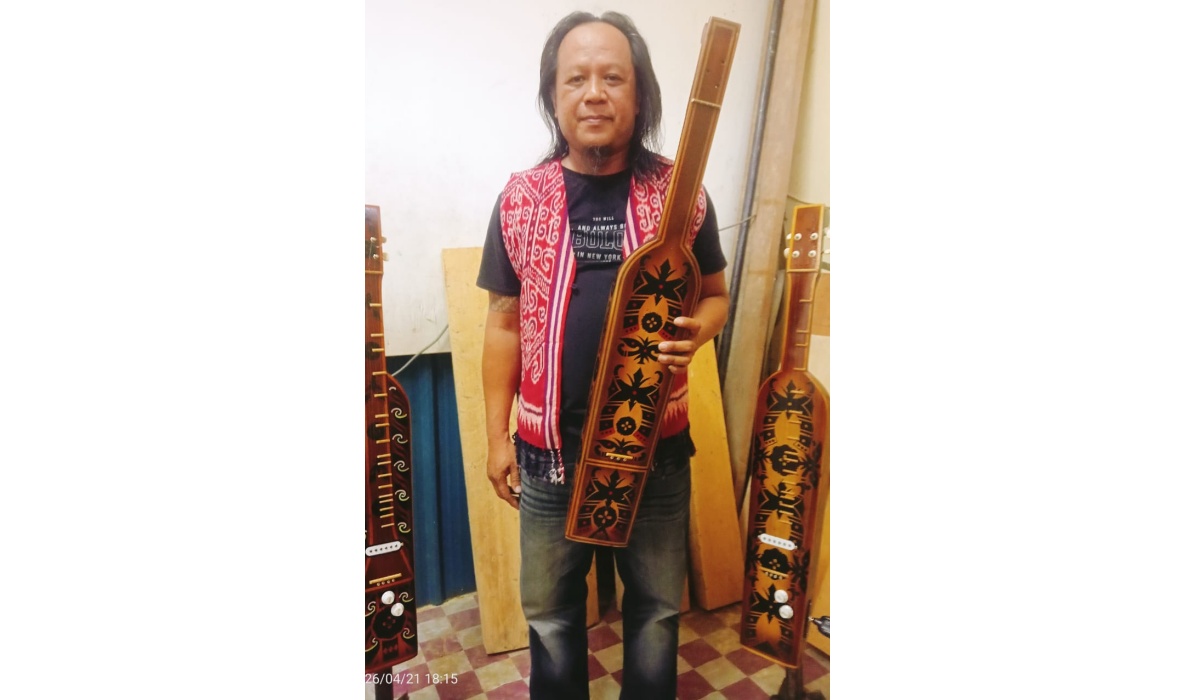
If the sape could speak, Cimal believes it would tell a story of survival — a tale of an instrument that once teetered on the brink of extinction.
That’s why, as a young instructor, he emphasises not just technique but history.
“Many young players are drawn to sape because of modern and trending songs. That’s fine, as long as they also learn the traditional pieces.
“Without those, we risk losing the very soul of the sape,” explained the 19-year-old Persatuan Anak Seni Sape Kuching (PUSAK) trainer, who also serves as the association’s Sape Ambassador.
Misconceptions about the instrument are common, too. Many assume the sape belongs to the Iban people, but Cimal patiently corrects them.
“The Iban have their own instrument called the belikan, which is similar but different in design and sound. The sape belongs to the Orang Ulu,” he explained.

More than just a passion
While preserving the sape’s history is important to him, Cimal also understands the realities of making a career out of it.

For him, playing the sape is not just about preserving tradition — it’s also a way to earn a living. “As a sape player, I see this as something I do on the side, but at the same time, it can generate income as long as you know how to make it work,” he said.
From teaching sape classes and busking at hotels or restaurants to performing at corporate events and festivals, there are many ways a musician can earn from this craft.
“The bigger the event, the higher the pay. It depends on your achievements and the number of songs you need to perform. Some refer to this as the artiste’s rate,” he explained.
However, Cimal remains realistic about the long-term sustainability of being a sape player.
“While playing sape is still a side hustle, its growing presence in Sarawak’s event scene offers more opportunities each year.
“At the end of the day, when there are events, there’s income,” he said with a grin.
A dream beyond borders
For Cimal, the ultimate dream is to take his sape to New York City — the final checkpoint, as he calls it.
But his ambitions extend beyond personal success. He hopes for the revival of the Sape Movement Festival, similar to the one organised in Miri in 2018 by the Sape Movement and Ethnic Corridor.
“Imagine sape players from all corners of the world, gathered in one place, their melodies weaving together like a river of sound.
“That’s the dream — to see this instrument celebrated, not just remembered,” he stressed.
If he wins at WCOPA, his first mission is clear: “I’d open my own sape school. I want to ensure that future generations continue this legacy, blending tradition and innovation.”
The road to WCOPA
Competing in five instrumental categories — Contemporary, Open, Classical, Jazz and Original Works — Cimal is deep into his preparations.
With funding applications submitted to the Ministry of Tourism, Creative Industry, and Performing Arts Sarawak, and intensive training sessions with PUSAK, he’s making sure every note, every performance is fine-tuned to perfection.
Balancing his training with teaching isn’t easy, but passion drives him forward.

His recent performances at Sarawak Tourism Board’s Business Networking Sessions in Kuching, Penang, Kuala Lumpur, and Johor Bahru have also helped him sharpen his stage presence.
For Cimal, the sape is more than an instrument — it’s a language of the past, a legacy for the future, and a bridge between tradition and innovation.
With WCOPA on the horizon, we wish him the very best — may his music captivate hearts and carry Sarawak’s sape to new heights.
Meanwhile, for those interested in learning the sape, Cimal also shares his skills beyond the association. Whether you’re a beginner or an experienced player looking to refine your technique, he offers personal lessons.
Cimal can be reached at 0112-9117716 for enquiries about classes or performances. Follow his journey on TikTok and Facebook by searching for Cimal.