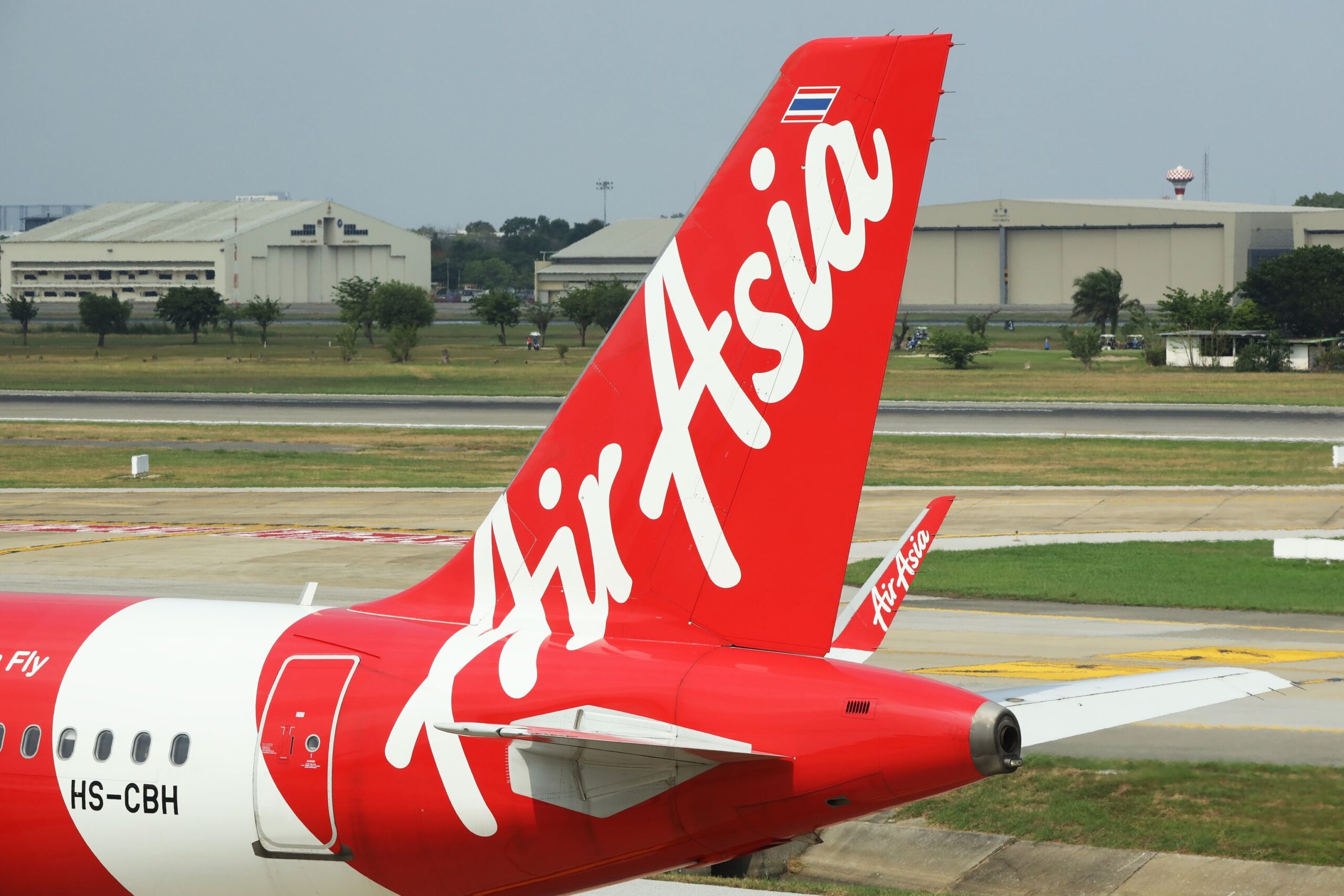
SEPANG: The government’s move to unify Malaysia’s aviation regulatory framework through the merger of the Civil Aviation Authority of Malaysia (CAAM) and the Malaysian Aviation Commission (MAVCOM) has received the thumbs-up from AirAsia.
Group chief executive officer of AirAsia Aviation Group Bo Lingam said this is an important step towards strengthening the country’s aviation sector.
He said the integration of regulatory functions spanning safety, airspace management, consumer protection and economic regulation offers an opportunity to build a more cohesive, efficient and future-ready framework that aligns with global best practices, creates greater clarity for industry players and supports the nation’s aspirations as a competitive aviation hub.
“AirAsia welcomes the vision of a single aviation regulator system. Bringing key regulatory functions under one independent statutory body will further streamline processes, provide clearer engagement for industry players, drive greater efficiency across the aviation ecosystem, and ultimately benefit travellers through improved connectivity and service,” he said in a statement today.
In further positioning Malaysia as a regional aviation hub, Bo said AirAsia looks forward to working with the government through CAAM to deliver greater efficiency, enhance international connectivity, and drive innovation within the industry.
He pointed out that improvements in air traffic control and operational management, particularly at major international hubs such as KLIA Terminal 2, will be essential to improving overall service and connectivity, while also supporting efforts to keep air travel accessible for consumers.
“Efficiency is especially crucial, with AirAsia Malaysia operating about 500 departures daily and serving up to 75,000 departing passengers each day across Malaysia,” he said.
As the country’s largest airline and a leading carrier in Asean, Bo stressed that AirAsia remains committed to supporting Malaysia’s aviation ambitions by driving greater connectivity, innovation and sustainable growth thus contributing to broader economic integration across the region and delivering greater value for travellers and the communities across the destinations it serves.