IN today’s fast-moving, digital-first world, much of our communication happens silently. We type messages, send emails and post captions on social media. Words are everywhere – but often without the sound of the human voice behind them. Yet one of the most overlooked but powerful tools of communication remains our voice.
The voice is not just a carrier of words; it is the soul of communication. The tone, pitch, volume and rhythm with which we speak add layers of meaning to even the simplest sentence. Consider the phrase, “I’m well and feeling good.” Said cheerfully, it reassures; said flatly, it raises doubt; said with a sigh, it reveals sadness. The words remain unchanged, but vocal delivery changes everything.
As Ralph Waldo Emerson observed, “Speech is power: speech is to persuade, to convert, to compel.” That power lies not only in the choice of words but in how those words are spoken.
The Mehrabian Model
Psychologist Albert Mehrabian’s Communication Model (1967) reminds us that words alone are a small part of the message. Only 7 per cent of meaning comes from spoken words, 38 per cent from tone of voice, and 55 per cent from body language. In other words, people trust what they hear in our tone and see in our presence more than the literal words we use.
This has profound implications for leadership, public speaking, and daily conversations. A manager who says “Everything is fine” in a strained tone creates anxiety rather than reassurance. A speaker whose voice carries conviction inspires more confidence than one who merely reads well-prepared notes. Communication succeeds only when words, tone, and body language align.
Voice as a Tool of Influence
History shows that powerful voices change the world. Martin Luther King Jr’s “I Have a Dream” speech continues to resonate not only because of its message but because of the rhythm and passion in his delivery. Winston Churchill’s gravelly wartime speeches inspired resilience, his voice embodying determination.
Even in daily life, the voice shapes outcomes. A calm tone reassures a nervous child, a warm voice builds trust between colleagues and a confident pitch persuades an audience during a presentation. As François de La Rochefoucauld put it, “The accent of one’s voice lives in the soul.” Through our voice, we reveal who we are.
The Role of Toastmasters
This is why organisations like Toastmasters International remain so valuable. Toastmasters is not simply about speech-making; it is about learning to use the voice effectively. Every meeting offers members opportunities to practise vocal variety, experiment with pauses, refine body language and receive feedback on clarity, projection, and intonation.
A humorous story told in a monotone loses its sparkle. Delivered with playful tones, it lights up the room. A persuasive message without vocal conviction falls flat, but spoken with energy it inspires real change. Members quickly discover that mastering the voice is as essential as mastering the message.
The benefits extend beyond meetings. A teacher uses vocal variety to engage students, an entrepreneur pitches with passion, a parent reads bedtime stories with warmth that a child treasures forever. In each case, the voice transforms communication into connection.
Communication Beyond Words
One of the deepest truths about communication is that people rarely remember exact words. They remember how they felt. Maya Angelou captured this insight: “People will forget what you said, people will forget what you did but people will never forget how you made them feel.”
Tone and vocal energy are what make people feel something. A harsh voice can alienate even when words are polite, while a gentle tone can soften even difficult conversations. Whether in boardrooms, classrooms, or at dinner tables, the voice shapes perceptions and builds relationships.
Developing the Vocal Instrument
The human voice is more than a tool – it is an instrument. Like any instrument, it can be trained and refined. Public speakers, actors, broadcasters and leaders invest in vocal training because delivery is as critical as content. But voice cultivation is not only for professionals; it benefits everyone.
Awareness is the first step. Speaking too fast creates confusion, too softly suggests insecurity and monotony bores. On the other hand, exaggerated tones may feel insincere. Balance and practice help us strike the right note.
Toastmasters Clubs provide a safe space to rehearse. Members learn to project confidence, use pauses effectively, and adapt tone to purpose – sometimes powerful, sometimes gentle but always intentional.
A Voice That Connects
In a noisy, digital world, the human voice remains one of the most authentic forms of connection. No emoji or text can replace the warmth of a sincere voice. Whether in leadership, teaching, entrepreneurship or family life, our voices persuade, comfort and inspire.
The next time you speak, remember: people may forget the words but they will not forget how your voice made them feel. Mastering words may win arguments, but mastering your voice wins hearts.
As Toastmasters remind us each week, communication is not just about what you say – it is about how you say it.
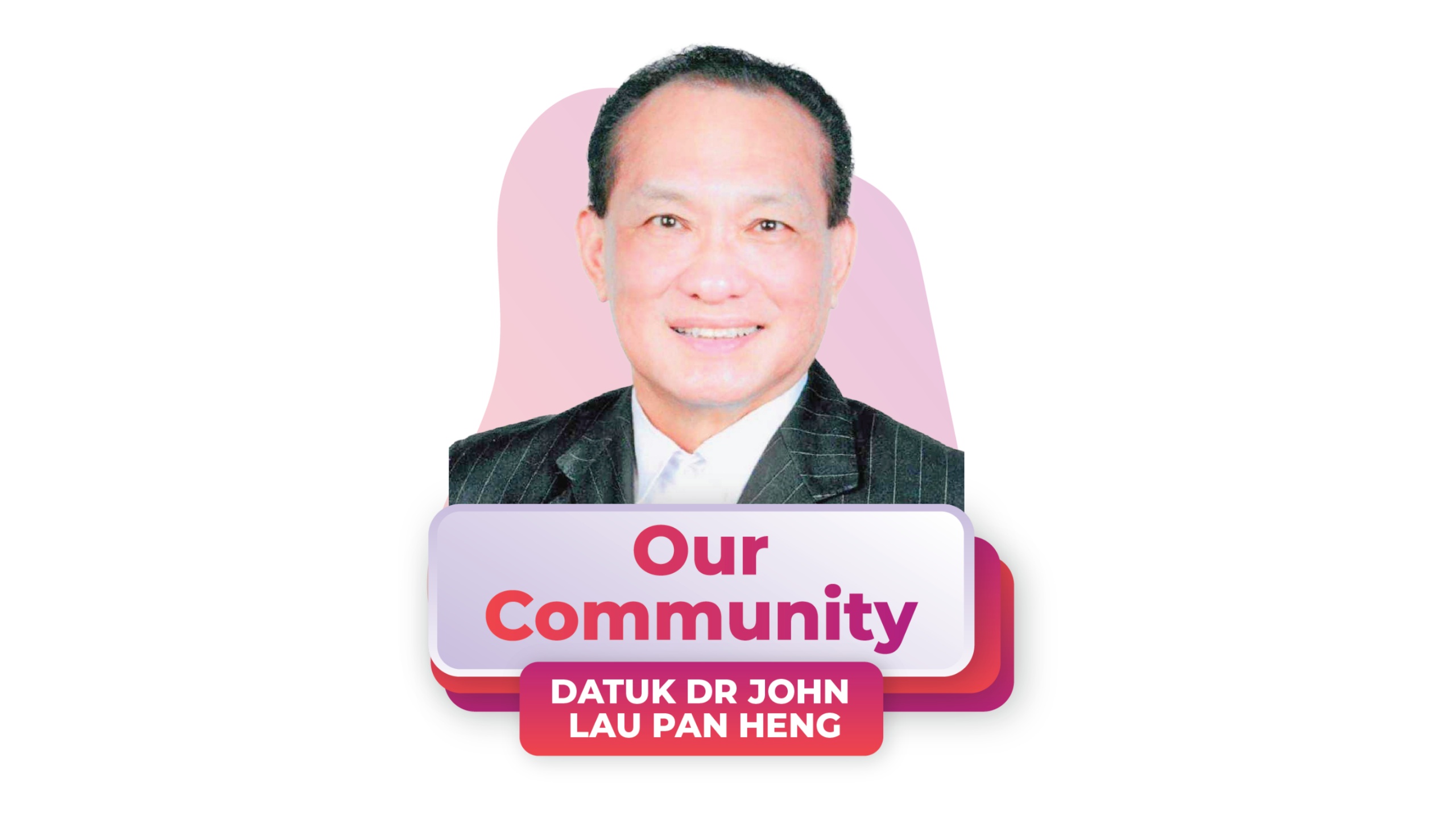
The views expressed here are those of the writer and do not necessarily represent the views of Sarawak Tribune. The writer can be reached at drjohnlau@gmail.com.