KUCHING: To better equip degree students for the workforce, it is crucial for them to undergo structured internships and receive ongoing supervision, giving them hands-on experience before entering the job market.
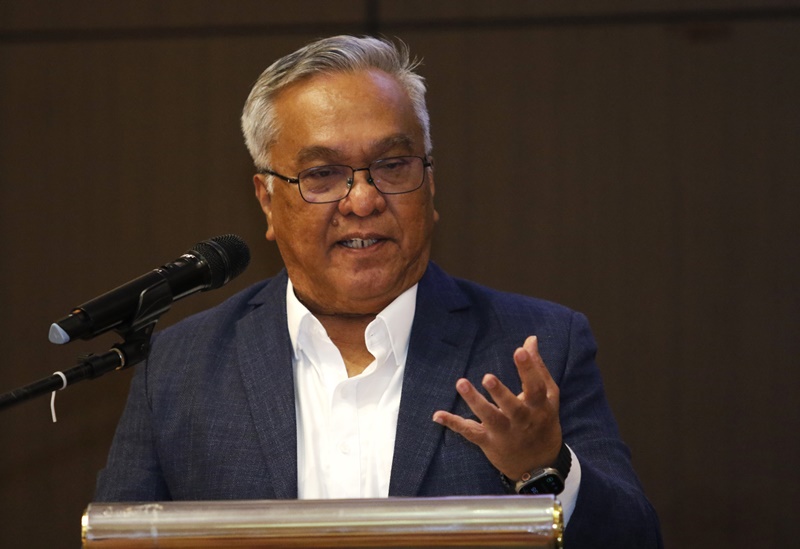
Deputy Minister for Education, Innovation and Talent Development (MEITD), Datuk Francis Harden Hollis, highlighted that the Graduate Employability and Industry Readiness Workshop is highly relevant as it aligns with the ministry’s initiative to establish a comprehensive industrial placement framework in Sarawak.
Harden explained that the workshop will focus on setting up a Centralized Placement Portal to match students with industries, which will be jointly managed by universities and monitored by MEITD.
He emphasised that discussions must go beyond rhetoric, producing tangible outcomes with clear responsibilities, deadlines, and monitoring mechanisms.
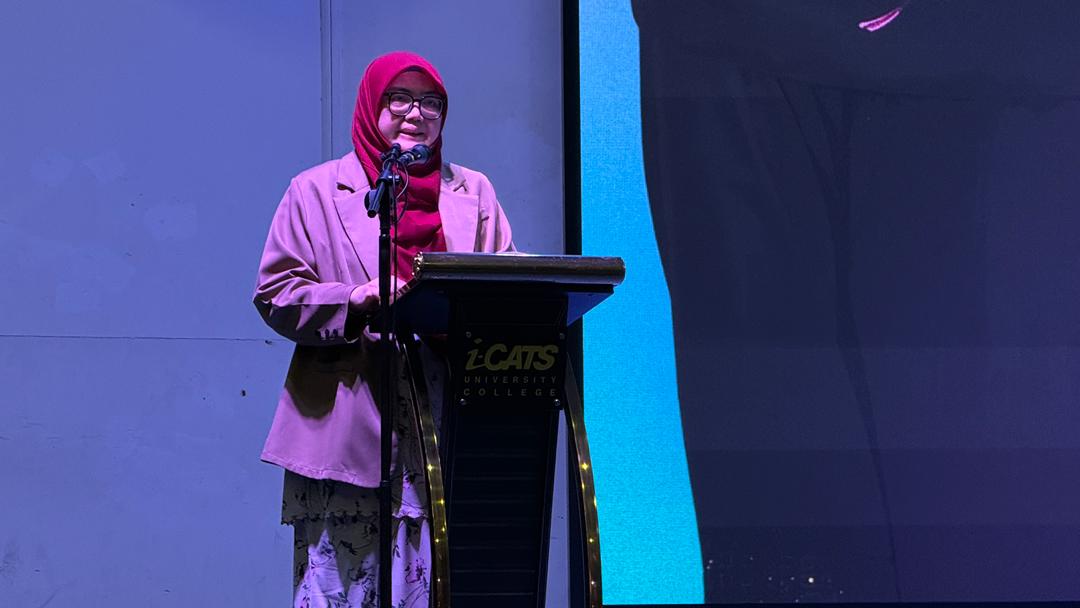
“I expect today’s conversations to result in the creation of the Sarawak University-Industry Council (SUIC), a permanent platform for structured industry feedback and policy alignment,” he said in his opening speech at the Graduate Employability and Industry Readiness Workshop held at Raia Hotel and Convention Centre yesterday (Aug 25).
The workshop also addressed the need for a curriculum review mechanism to ensure industry input is consistently reflected in academic programme design and delivery.
“I must stress that this is not merely a suggestion but an instruction, as part of the ministry’s Key Performance Indicators (KPIs) that will guide the direction of higher education, technical training, and talent development in Sarawak,” he said.
Harden further emphasised that both universities and industry partners must demonstrate tangible progress toward achieving these goals, as they are responsible for cultivating the state’s talent pipeline.
“The 96 per cent employability rate of TVET (technical and vocational education and training) graduates in October 2024 is a proud achievement, proving that industry-based training programmes can produce skilled talent,” he said.
“For 2025, our goal is to increase TVET enrolment by 20 per cent and science stream enrolment by 40 per cent, while reducing the state’s unemployment rate by 1.2 percentage points, ensuring that more youth enter the workforce and contribute to the state’s economy,” he added.
He concluded by stressing the importance of global competitiveness, urging Sarawak’s educational institutions to pursue international accreditation to boost the state’s visibility and ensure that graduates are competitive both locally and globally.