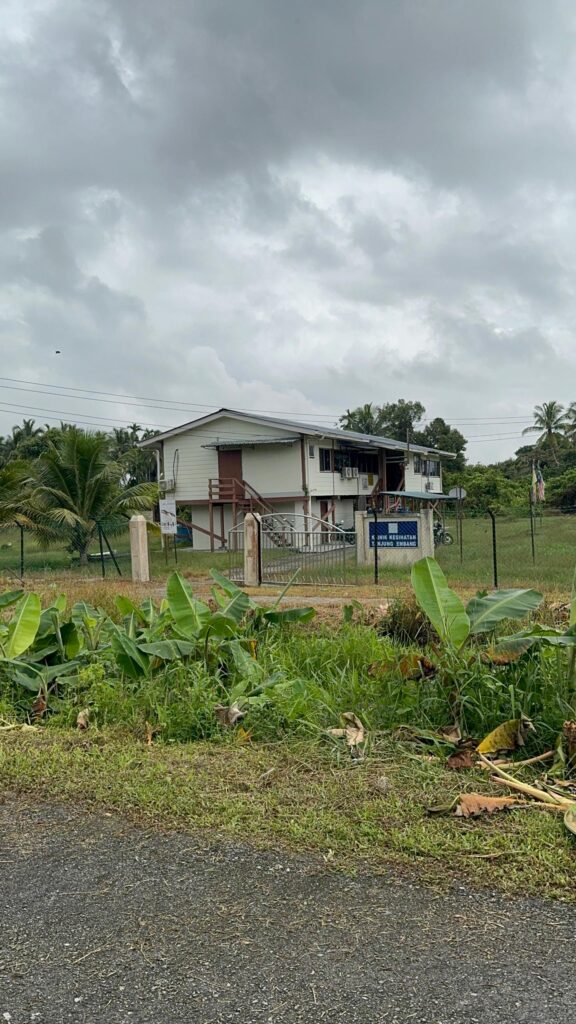
AS the Sarawak Government explores the viability of building a new international airport in the Tanjung Embang area near Demak Laut, touted as comparable to Hamad International Airport in Doha, a wave of enthusiasm is sky-high as Sarawakians look forward to having a majestically built new landmark in the state, however the notion of it is tempered by thoughtful caution.
Beneath the surface of mega-infrastructure of that scale, lies a deeper question: how will this major development transform the economic, social, and cultural fabric of the surrounding communities?
To draw comparisons, Hamad International Airport is widely regarded as one of the world’s most advanced aviation hubs. Its success has cemented Qatar’s global connectivity and propelled its economy forward.
Yet, its rise also came with complex challenges – environmental pressures, community displacement, and the need for careful long-term planning.
For Sarawak, the proposed airport presents both an inspiration and a cautionary tale. To gain a deeper understanding of these dynamics, the Sarawak Tribune spoke with Associate Professor, Dr Aila Abdul Latif, from the Faculty of Economics and Business at Universiti Malaysia Sarawak (UNIMAS).
In this exclusive interview, she reflected on the economic, social, and cultural implications of the project, as well as the importance of foresight, inclusivity, and sustainability.
The long-term game
For Dr Aila, the airport must be viewed through a long-term lens.
“The airport, by nature, represents a large-scale investment in infrastructure. High capital expenditure is expected, and stakeholders are aware of this. However, realistic expectations of scalability must accompany such investments,” she clarified.
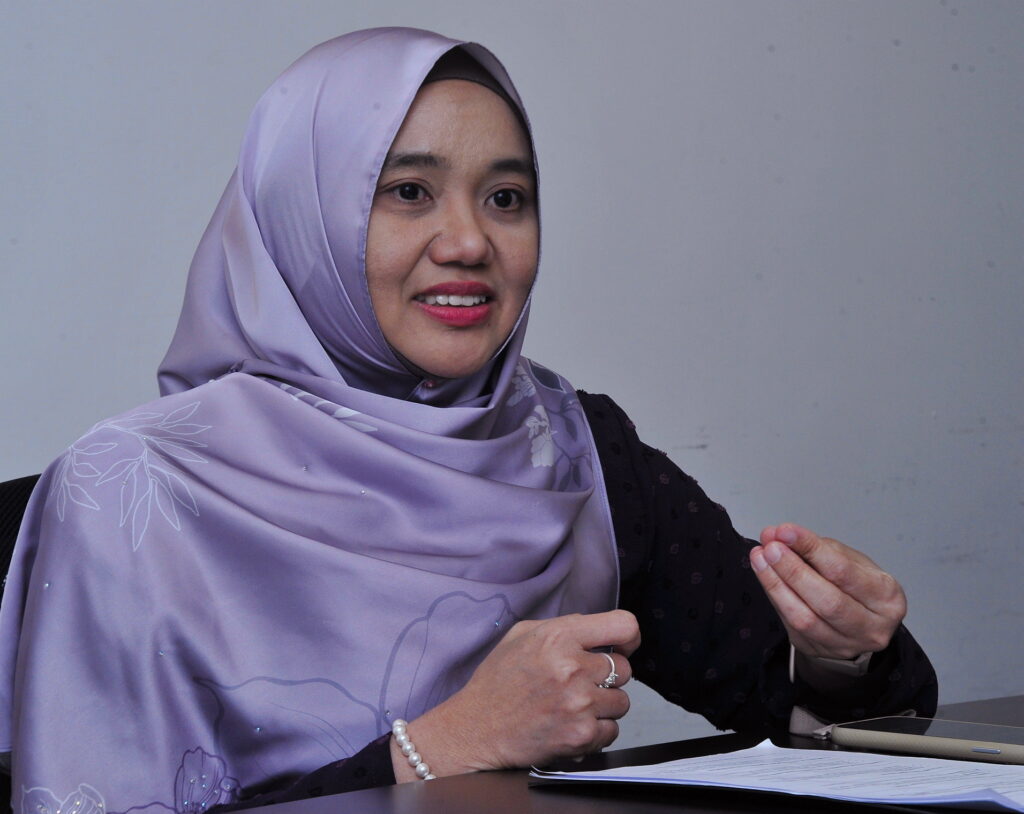
She introduced the concept of ‘Business Market Scalability’, the idea that infrastructure must be flexible enough to contract or expand in response to demand.
“We cannot assume the economy will grow endlessly. The key is to anticipate fluctuations, know when expansion is likely, and prepare for risks accordingly,” she said.
Initial investments, she noted, should be planned with both boom and bust cycles in mind.
“To effectively mitigate potential challenges and uncertainties, it is imperative to adopt comprehensive risk management frameworks, integrate strategic management, and systematically assess the available operational alternatives,” she said.
This cautious optimism is particularly relevant in underpopulated areas.
“A key opportunity lies in how to attract people to Tanjung Embang by enhancing the surrounding region to offer a quality of life that can support and sustain a thriving economy,” Dr Aila added.
Infrastructure without community integration is not development
When asked about the risks of building large-scale projects, Dr Aila emphasised that infrastructure without people-centred integration is not true development.
“We’re not just building a landmark. We must build something that people can live around and live with,” she said.
This requires amenities and attractions that appeal not only to international travellers but also to locals.
Drawing lessons from Tokyo, Melbourne, and Singapore, she remarked that successful airports often serve as cultural and lifestyle hubs.
One example she raised was building a spa and wellness industry around traditional Sarawakian expertise.
Local makciks skilled in massage and herbal therapies, such as traditional massages, could be professionalised into a hospitality ecosystem that generates jobs while branding Sarawak’s culture.
“We’re selling more than a service. We also want to show what our culture has to offer,” she explained.
Jobs, migration and skills
Job creation is one of the airport’s biggest promises, but Dr Aila emphasised the need to be realistic.
“In the long run, an airport will generate direct employment in operations, logistics, tourism, and hospitality.
“But in the short term, most opportunities will come during construction, and many of those jobs may go to non-local workers,” she said.
She also highlighted the risk of skill mismatch. Aviation and logistics require specialised training, and the local workforce may not yet be ready to fill all roles.
“We must invest in vocational training now. Otherwise, Sarawakians may miss out on long-term benefits,” she urged.
The risk of displacement
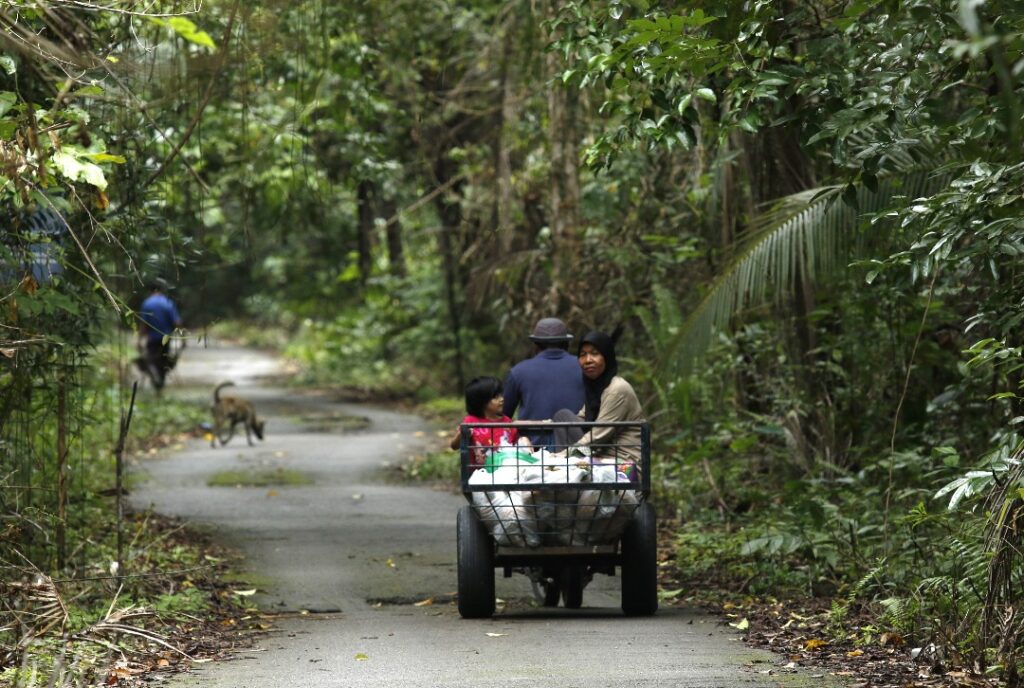
Development often brings escalating land values, and Dr Aila warned that this could displace existing villagers.
“When land becomes expensive, the original residents may no longer afford to stay,” she noted.
The challenge, she emphasised, is ensuring equitable growth so that benefits are shared by both locals and newcomers.
A strategic corridor
From a broader perspective, Dr Aila sees the airport as part of a strategic investment corridor, stretching from Kuching to Tanjung Embang to Sebuyau.
“This can help redistribute economic centres, so that growth is not concentrated only in Kuching.
“Peripheral areas like Samarahan, Asajaya, and Sebuyau could benefit from spillover effects,” she said.
In time, she expects more developers to enter rural areas, establishing housing projects, logistics hubs, and industrial centres, creating both short- and long-term employment.
Inclusive hybrid model
To ensure inclusivity, Dr Aila proposed an inclusive hybrid model, where rural communities are actively engaged.
“This is not just about top-down investment. It must also involve bottom-up participation, from cooperatives, entrepreneur incubators, and local agencies,” she explained.
Villages such as Beliong could adopt a cluster-based approach, focusing on agro-products, traditional food, eco-tourism, or homestays.
“With proper collaboration, these clusters can create sustainable local value chains,” she said.
SMEs at the forefront
She also sees the airport as an opportunity for Sarawak’s small and medium enterprises (SME) to shine.
“A dedicated SME trade zone could showcase Sarawak’s best products – handicrafts, Bornean fashion, bird’s nest, speciality coffee, herbs, and more,” she suggested.
She drew inspiration from Changi Airport, where the blend of commerce and lifestyle has created a unique attraction.
“If we plan properly, the airport can become a lifestyle destination, artsy, modern, and engaging, while giving our SMEs international visibility,” she added.
Beyond aviation: Towards a regional gateway
For Dr Aila, the true potential lies in positioning the airport as part of a larger regional economic network.
“If planned well, it can grow into an integrated logistics and export hub, linked with e-commerce platforms, tourism packages, and digital booking systems,” she explained.
Such a model could anchor Sarawak’s role within Eastern ASEAN and the BIMP-EAGA bloc, supporting the state’s ambition of becoming a high-income, green economy by 2030, in line with the state’s PCDS 2030 strategy.
Cautious optimism
Dr Aila called for prudence, reflecting on lessons from Kuala Lumpur International Airport (KLIA), Subang Skypark, Narita Airport in Tokyo, Japan, and Avalon in Melbourne, Australia.
“Yes, airports can transform economies. But we must avoid overestimating demand. A phased approach, starting small and scaling up, is far wiser,” she said.
She described her stance as “optimistic prudence” – ambitious yet resilient.
Vision beyond the runway
Ultimately, Dr Aila stressed that the airport should not stand alone.
“Let’s not just repeat what Kuching already has. Let’s offer something new, something people want to experience even if they’re not flying,” she said.
Among her suggested ideas were wellness centres, flexible homestays for digital nomads, horseback riding, and even themed golf retreats.
Reputation and the global stage
Finally, she underscored the importance of perception.
“Reputation matters. Every step will be scrutinised, not just by investors but by global audiences through social media,” she cautioned.
If handled well, however, she believes Tanjung Embang could become a symbol of Sarawak’s progress – inclusive, sustainable, and globally connected.
A progress with a purpose
The proposed Tanjung Embang airport holds immense potential to reshape Sarawak’s economy and identity, but as Dr Aila reminded, infrastructure alone is not enough.
“From what I see, Sarawak is not lacking in ideas, spirit, or talent. What we need now is coordination, commitment, and the willingness to plan beyond the runway.
“The future of Tanjung Embang is not just about how high planes can fly— it is about how well communities can rise with them,” she concluded.