KUCHING: Sarawak Energy Bhd (SEB) is actively exploring the potential of pumped storage systems to strengthen the state’s renewable energy mix and ensure grid stability.
Group Chief Executive Officer, Datuk Sharbini Suhaili, said that the utility, in collaboration with an Australian university, has conducted studies identifying several promising sites across Sarawak.
“According to one of the Australian professors, some of these sites are even better than those in Australia.
“While I’ve yet to see the final results, the early findings are very encouraging,” he said during a plenary session at the ‘Sustainability and Renewable Energy Forum’ (SAREF) 4.0 at Borneo Convention Centre Kuching (BCCK) today.
Sharbini stressed that pumped storage will be a vital component in addressing the challenges of intermittent renewable sources such as solar and wind.
“We’ve seen in Spain and Vietnam how difficult it is to integrate intermittent energy into the grid.
“That’s why storage – both batteries and pumped storage – is essential to stabilise the system and expand renewable integration,” he said.
He noted that Sarawak is already evaluating multiple potential sites for pumped storage.
“By combining the technology with hydropower and battery storage, the state would be able to harness more solar energy into its system,” he added.
Highlighting regional opportunities, Sharbini also pointed out that the Philippines has more than 160 gigawatts of wind potential, while Vietnam possesses vast wind resources.
“If we can interconnect these countries, intermittent solar and wind can be balanced with storage.
“My vision is that one day Southeast Asia will be powered 100 per cent by renewable energy – and pumped storage will play a crucial role in achieving that,” he added.
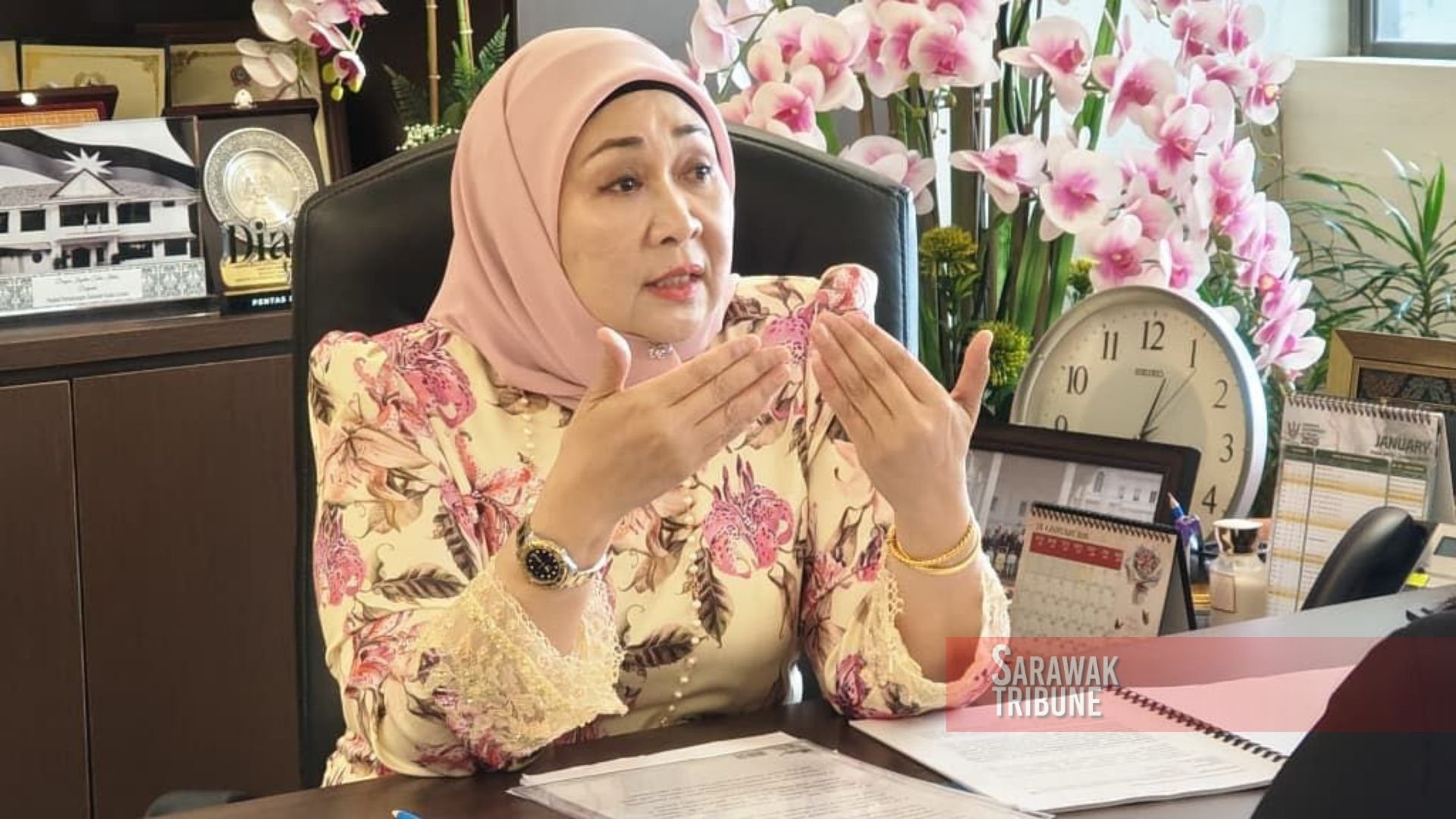
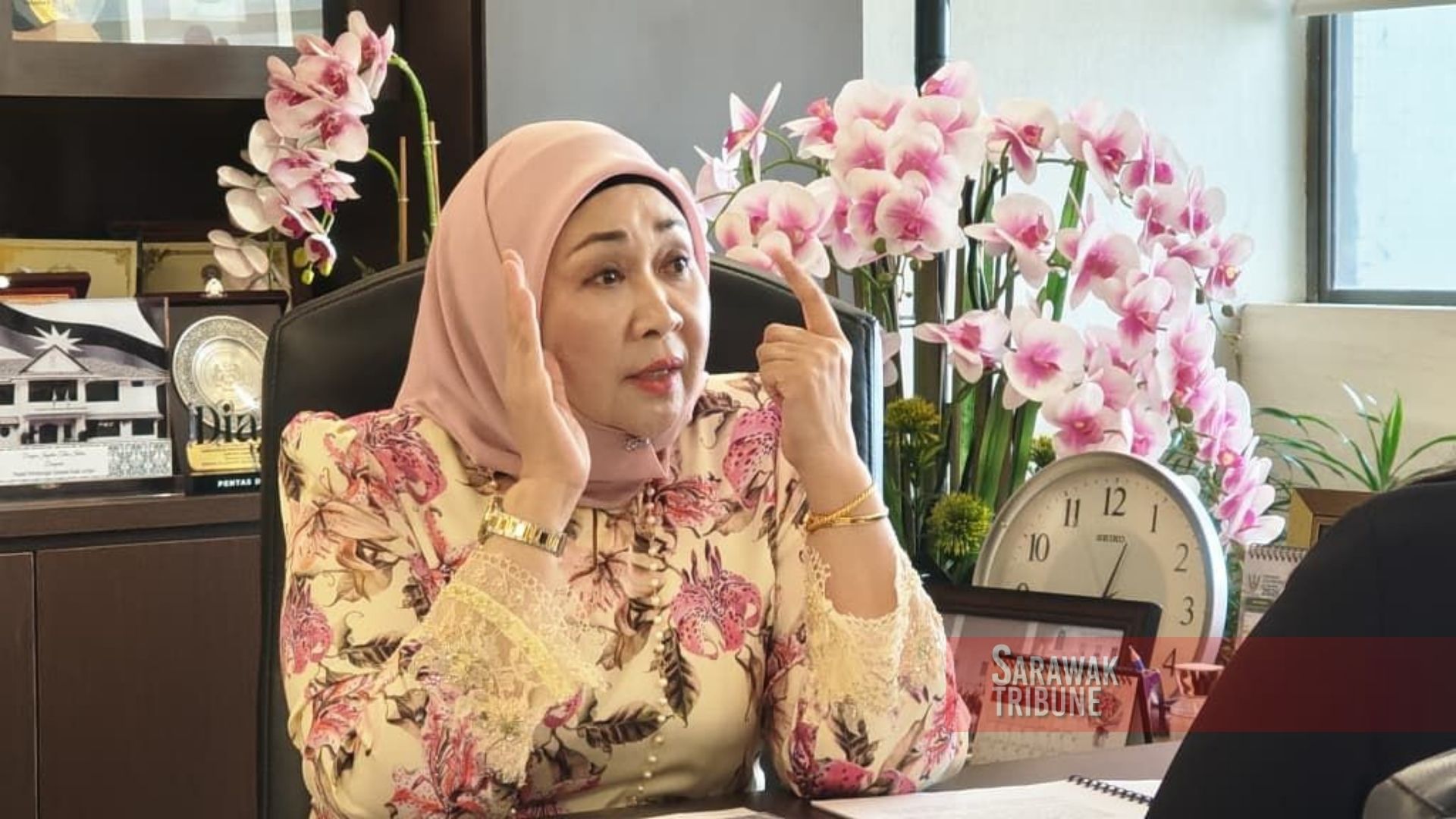
Meanwhile, Head of the International Energy Agency (IEA) Regional Cooperation Centre in Singapore, Sue-Ern Tan, underlined the importance of strong governance and regulatory certainty in accelerating clean energy investment.
“Governments play a key role – not just by providing some financing, but more importantly by creating the right political, regulatory, and policy frameworks. Stability, certainty and predictability are essential,” she said.
She noted that state-owned utilities continue to play a major role in many Asian electricity sectors, while development banks such as the World Bank and Asian Development Bank (ADB) are already committing billions of dollars to clean energy.
However, she emphasised that the private sector will ultimately drive the transition.
“If governments provide regulatory certainty, private investment will follow,” she said.
Tan revealed that the Cost of Capital Observatory, released last week, showed that clean energy investment costs in Southeast Asia remain at least twice those of advanced economies. This is largely due to political risks, regulatory risks, and bankability concerns.
“Countries like India and Brazil have shown that strong policy frameworks and political will can attract significant renewable investment. If governments in Southeast Asia can do the same, private capital will flow,” she added.