KUCHING: Sarawak is formulating a comprehensive master plan for the management of domestic solid and scheduled wastes.
Deputy Minister for Urban Planning, Land Administration and Environment Datuk Len Talif Salleh said the plan, expected for completion in December 2025, would guide Sarawak’s waste management actions through 2050 and beyond.
He said the study would evaluate treatment technologies, assess their impacts, and identify strategies aligned with the circular economy targets in the Sarawak Sustainability Blueprint 2030.
“Our goal is clear, to build a waste management system that minimises environmental harm, maximises resource recovery and energy generation, supports clean energy development, and embraces the principles of the circular economy.
“Today, most of our domestic solid waste is collected and disposed of at landfills or open dumpsites, many of which have already reached capacity. Like other parts of the world, we are running out of areas for that purpose,” he said.
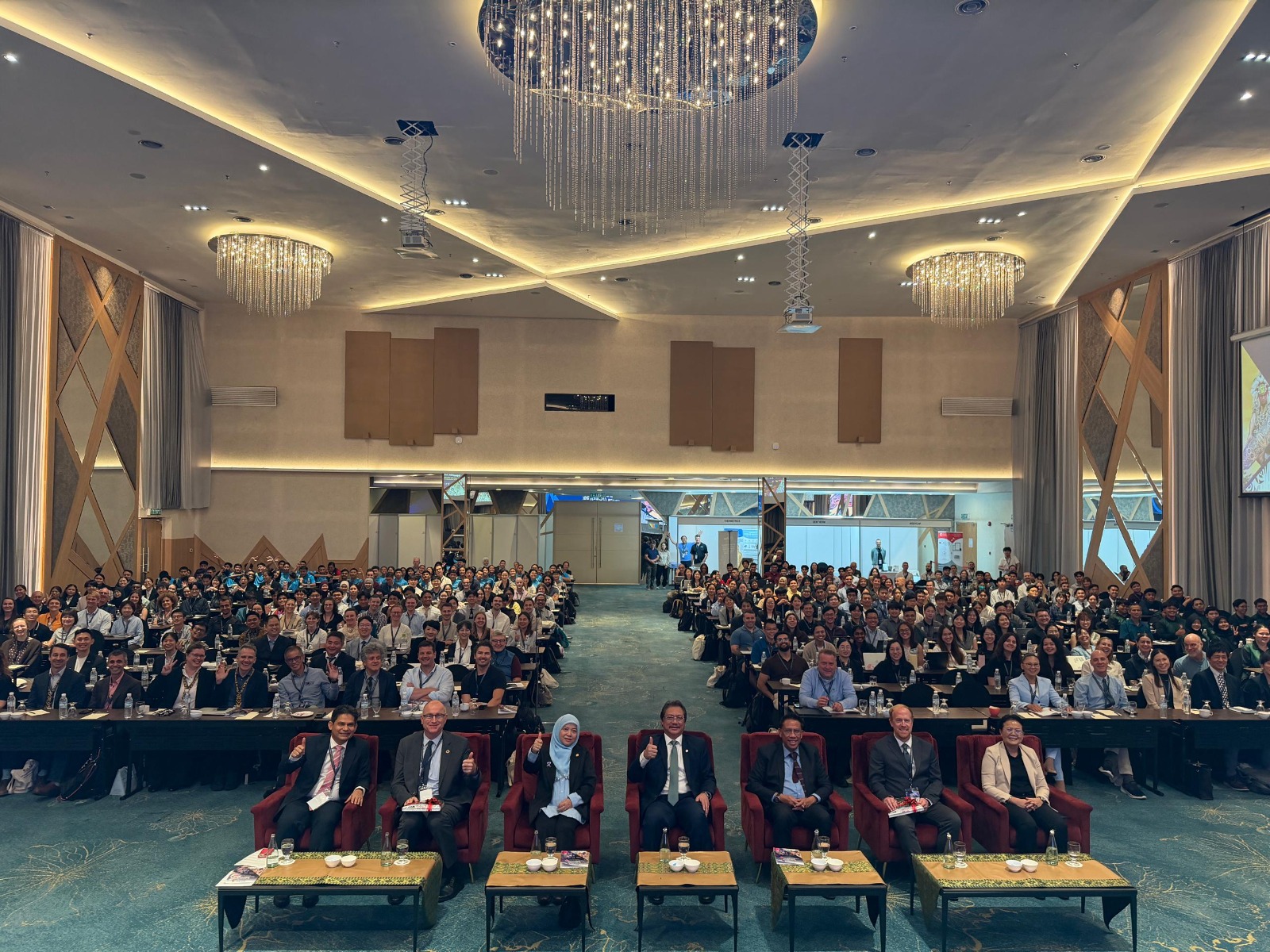
He was presenting a keynote address during a session titled ‘Advancing Circular Economy in Energy Sector: Maximising Sustainability and Resource Efficiency’ at the Sustainability and Renewable Energy Forum (SAREF 4.0) at Borneo Convention Centre Kuching (BCCK) today.
Len said the strain from growing populations and consumption was increasingly impacting communities, ecosystems, and future generations, making landfills insufficient as the sole solution.
To address this, the state is exploring biological, chemical, and thermal waste treatment technologies, focusing on the most suitable, cost-effective, and sustainable solutions for Sarawak.
“With Sarawak’s target of achieving a 20 per cent plastic recycling rate and reducing food waste at five per cent by 2030, we are considering setting up two Waste-to-Energy (WtE) facilities, each in the Southern and Northern part of Sarawak,” he added.
However, he acknowledged that large-scale WtE plants face challenges in some developing countries and expressed hope Sarawak would successfully manage their implementation.
In less accessible regions, small-scale incinerator plants tailored to local conditions are being considered to provide practical, decentralised solutions.
“These systems will provide practical, decentralised solutions while ensuring that no community is left behind in our waste management efforts,” he said.
Premier Datuk Patinggi Tan Sri Abang Johari Tun Openg had previously said the state planned to develop two WtE incinerators to improve waste management from Kuching to Limbang.
The initiative aimed to create commercial value from waste while reducing pollution in line with the circular economy.