Exploring the heart of Sarawak, this trip to Bakun Dam, Mebong Cove Villa, and the historic Uma Belor Leo Dian longhouse reveals stunning landscapes, warm local hospitality, and rich Kayan traditions. From serene lake views to traditional homestays, it’s a journey that uncovers the beauty and culture of a home often overlooked.
Deep in the Heart of Sarawak
Having spent much of my life travelling abroad, I realised with some surprise that I had barely scratched the surface of my own home state. Though I had journeyed widely across Malaysia, the vast interiors of Sarawak remained, for the most part, a mystery.
Thus, when Dato’ Jacqueline Fong of Tanoti Crafts invited me to join her on a trip to Bakun Dam, I jumped at the chance. Jacqueline, a Sarawakian entrepreneur turned social changemaker, had transformed her finance background into a mission of rural empowerment through craft. With such remarkable company, and fuelled by curiosity, I could not resist.
Like many, I had heard much about Bakun: its monumental scale, the construction, and its regional significance. Yet I had never ventured there myself. The long travel time was always an easy excuse to delay. This time, I was determined to see for myself what lay deep within the heart of Sarawak.
My journey began in Bintulu, where I had flown in from Kuching. Picked up in a Hilux, we set off toward Sungai Asap. The drive began on smooth highways before narrowing into winding country roads that rose and dipped through lush terrain. The ride was not at all uncomfortable. In fact, it was pleasant, made even more enjoyable by a hearty local meal at a roadside food-and-supply shop.
Soon after, we passed a security checkpoint and entered a region that was once ancestral land, now transformed into the site of one of Southeast Asia’s largest hydroelectric dams. In the late 1990s, some 10,000 indigenous people from different tribes were relocated to 15 longhouses in Sungai Asap to make way for the Bakun Dam reservoir.
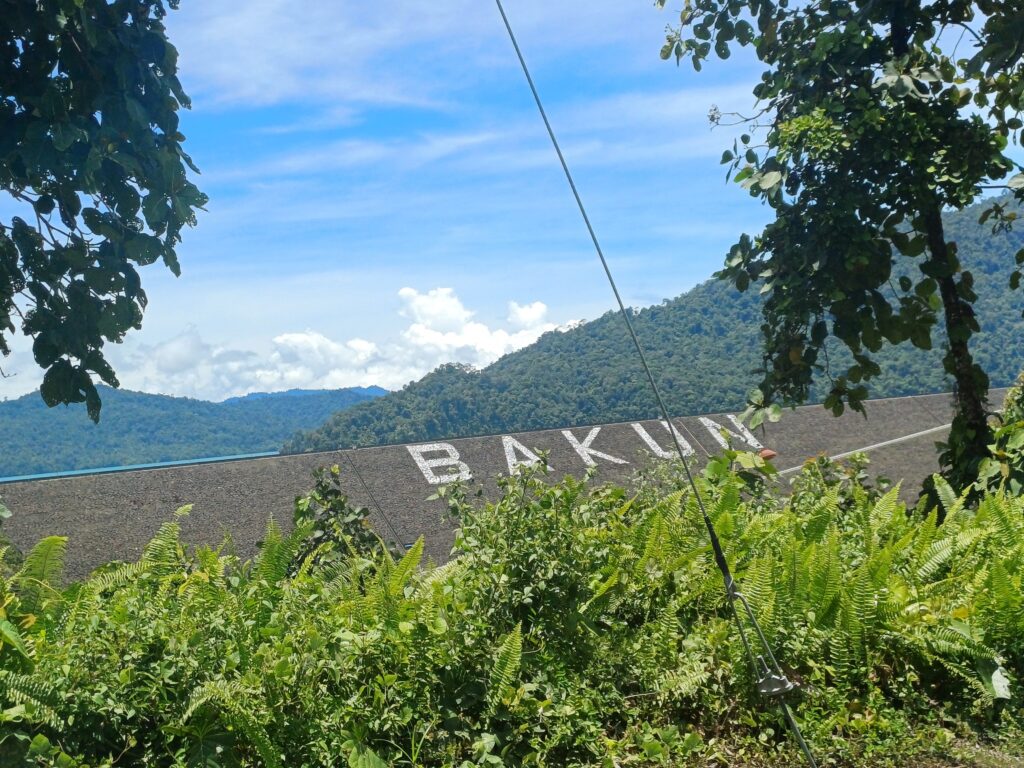
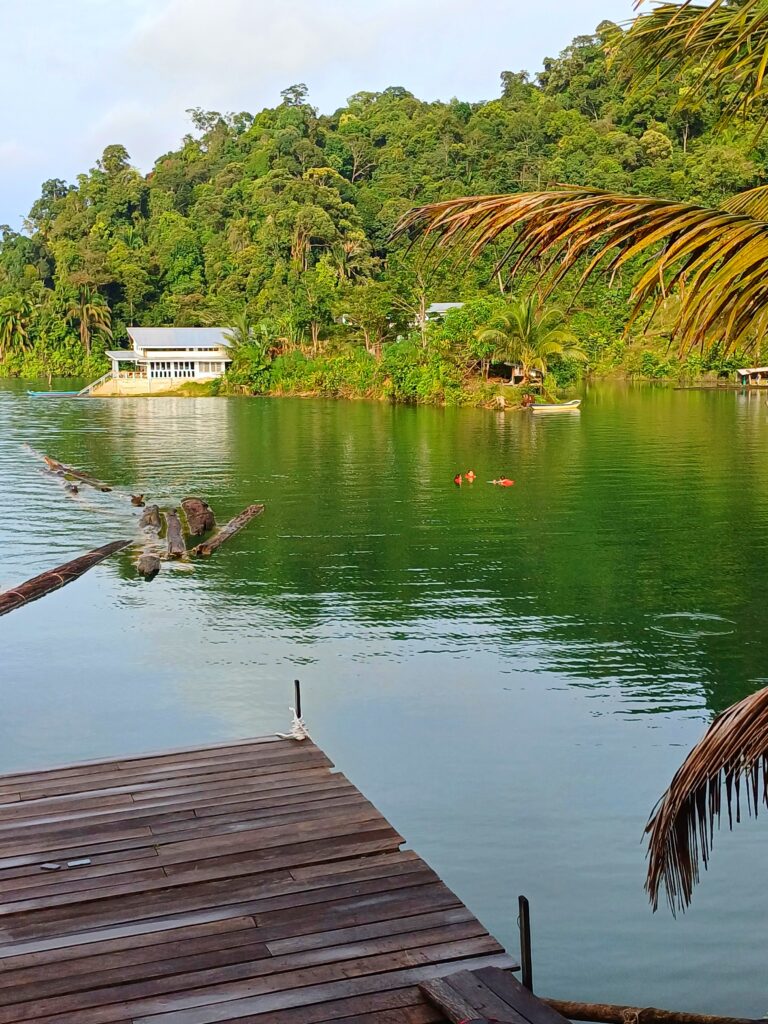
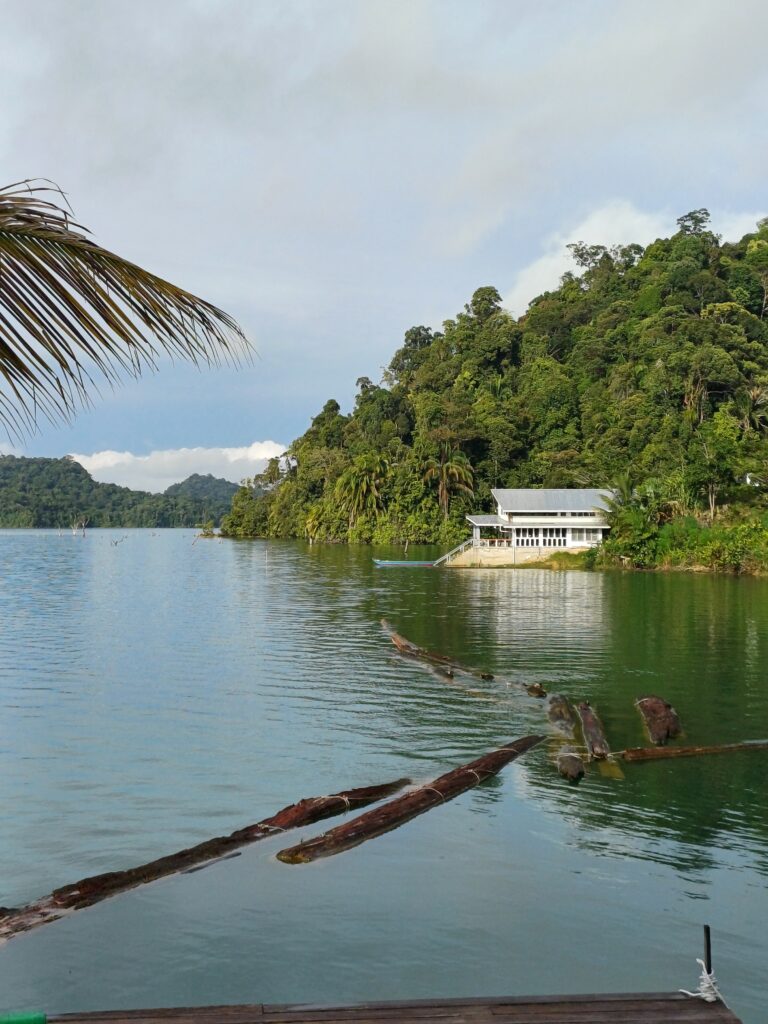
We stopped to take in the colossal dam itself. Before us stretched an immense expanse of water, calm and mirror-like, framed by forested hills. The landscape was both breathtaking and surreal, layered with as much legend as history.
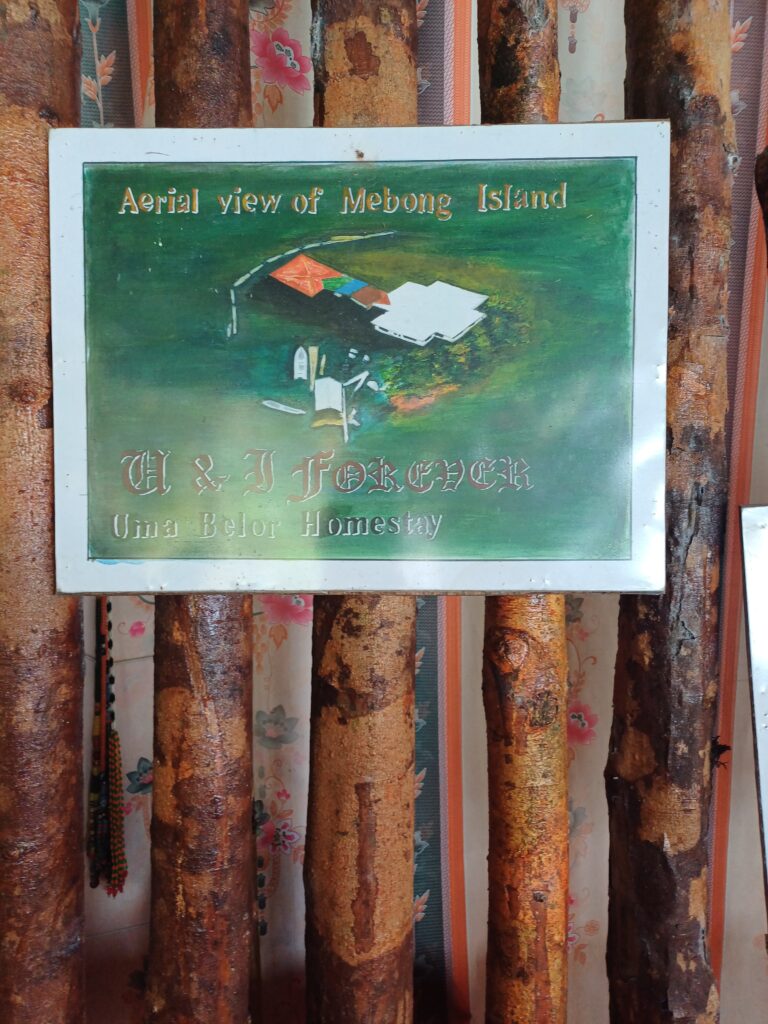
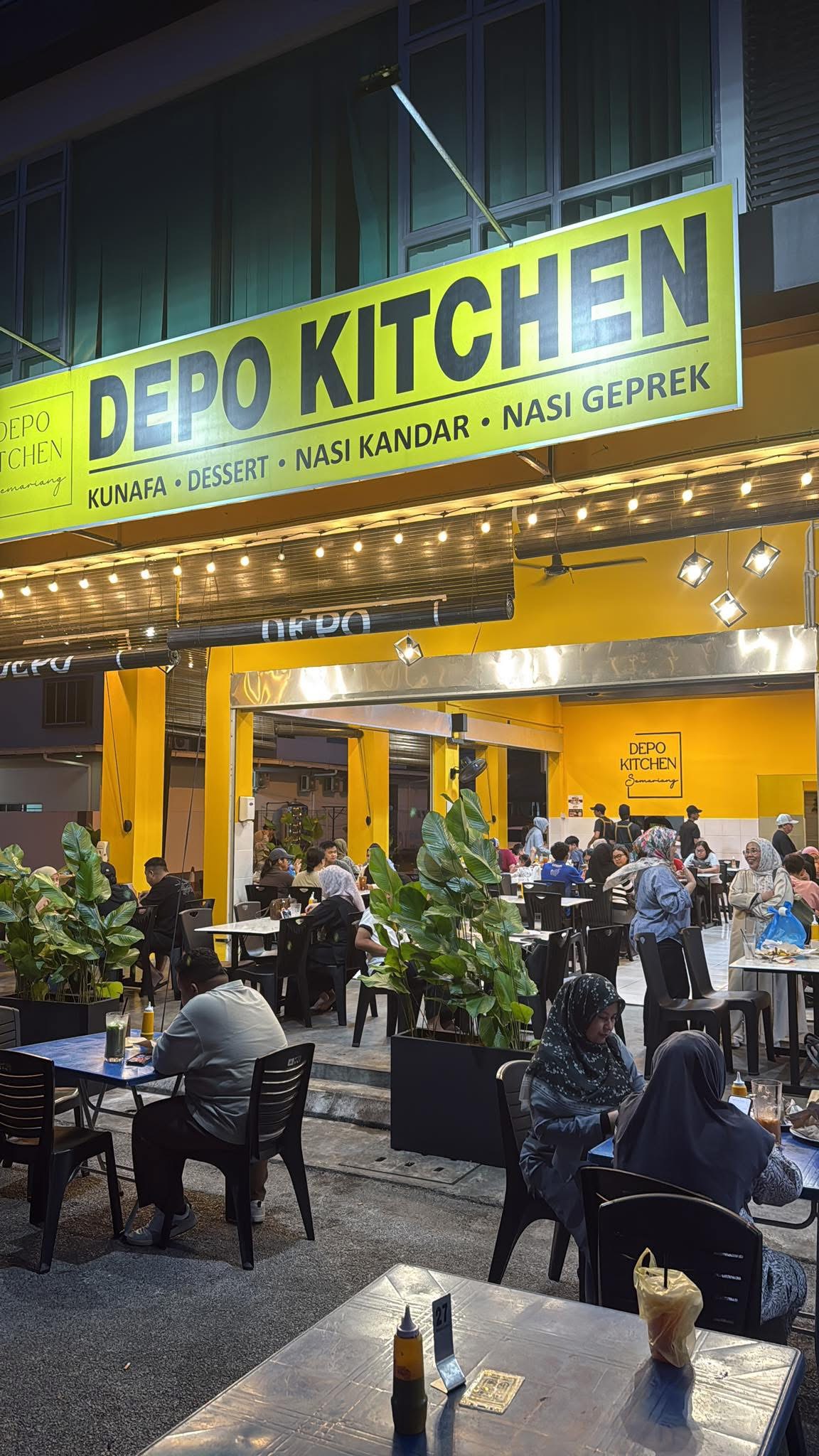
From there, we boarded a boat to our lodging: Mebong Cove Villa, whose operator is related to the owner of the award-winning Uma Belor Leo Dian Homestay Programme. Owned by a Kayan family, the villa was designed for group stays, with large rooms and shared beds. Though I felt rather solitary in my room, the view from the veranda more than compensated. At sunset, the lake shimmered in golden hues, the still waters a quiet invitation. While my companions swam, I simply sat and absorbed the tranquil shift from day to night.
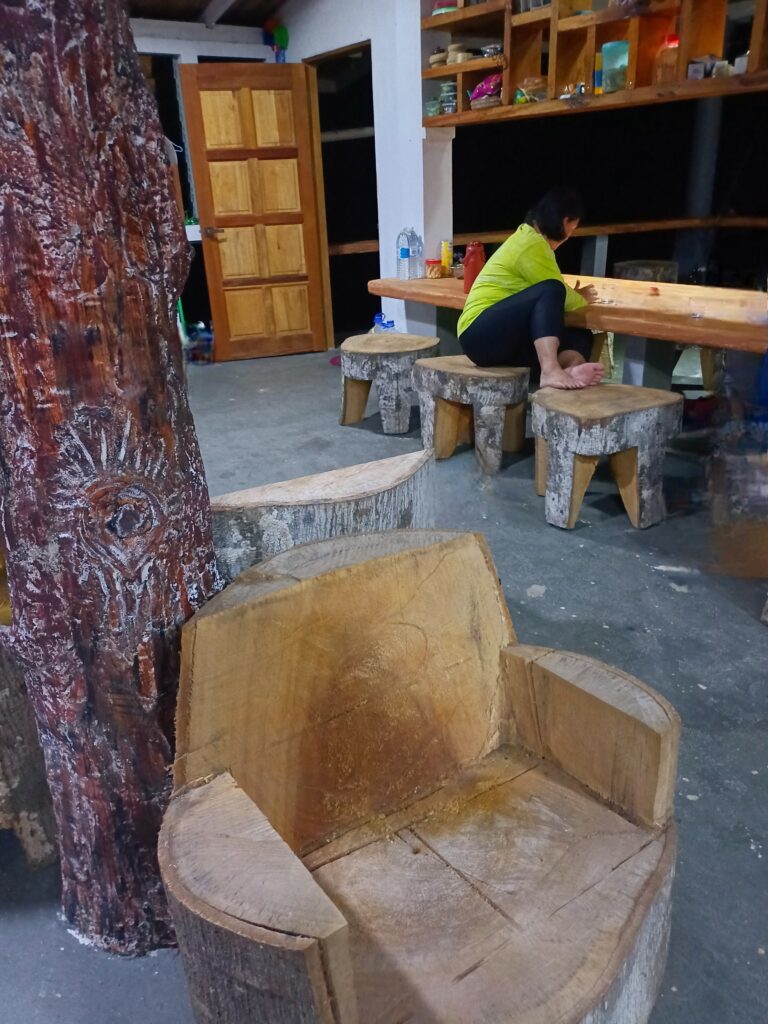
After dark, we were taken by boat to the operator’s family home on a nearby shore. The timber house was adorned with homemade carved wooden furniture. Dinner was served with fresh fish from the lake and vegetables foraged from the surrounding jungle — food deeply tied to the land. We chatted late into the night before returning to our villa. Shortly after we settled in, the generator cut off. Yet, lulled by contentment and exhaustion, I slept soundly, waking before dawn to catch the first glow of sunrise over the lake.
Breakfast the next morning was enjoyed in a spacious kitchen and dining hall. Afterwards, we lingered on the patio, admiring more handmade wooden furniture. The place felt untouched, almost like a private tropical island retreat. It was easy to imagine it as the perfect venue for a wedding, family gathering, or artists’ retreat — a sanctuary that encourages you to slow down, breathe, and simply be.
Uma Belor Leo Dian Longhouse
One of Sarawak’s most notable Kayan longhouses is Uma Belor Leo Dian, often regarded as the state’s longest uninterrupted longhouse. Stretching across seven interconnected blocks, it is home to about 101 families and an estimated 700 people.
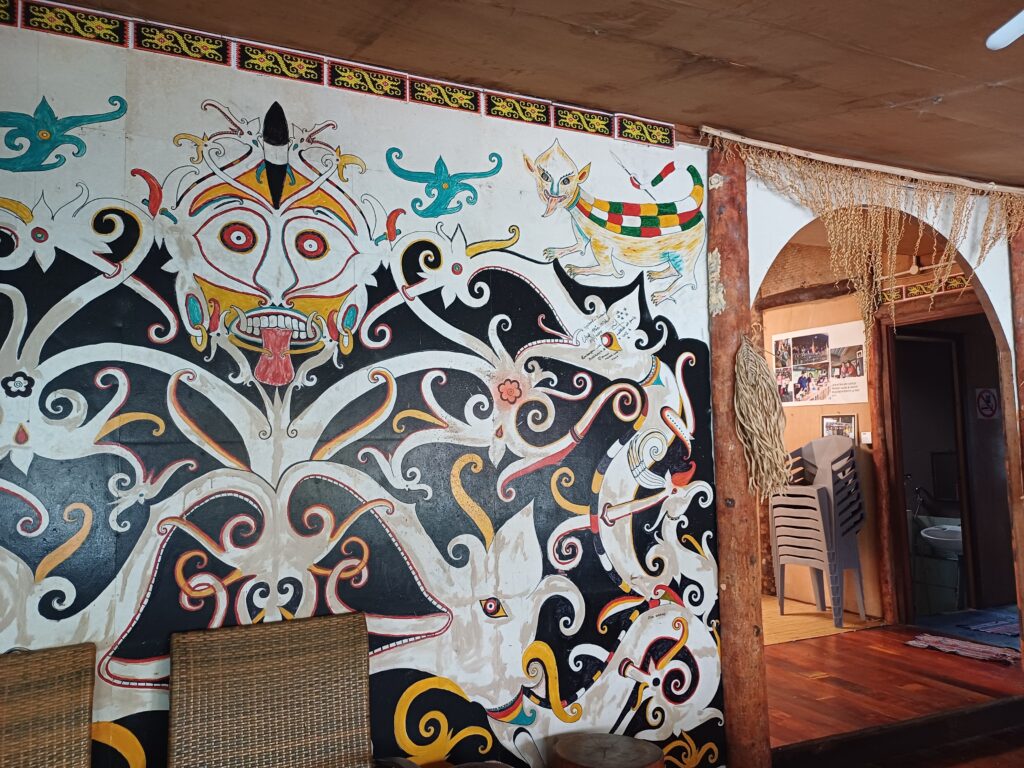
Beyond its impressive scale, Uma Belor Leo Dian is a living emblem of Kayan heritage and communal life. Each family occupies its own apartment-like unit, yet all share a single continuous ruai (communal veranda) — the heart of the longhouse where rituals, celebrations, and daily life unfold. It embodies the Kayan spirit of cooperation and togetherness.
Built of hardwood timber, with raised floors and carvings that echo ancestry and belief, the longhouse is not just a dwelling but a cultural institution. While many residents work or study in towns and cities, they return during Gawai Dayak, school holidays, and festive occasions, keeping traditions alive.
Today, Uma Belor Leo Dian is also part of Malaysia’s Ministry of Tourism Homestay Programme, offering visitors the chance to experience traditional Kayan life — from cooking and rice wine (burak) making, to farming and cultural exchanges.

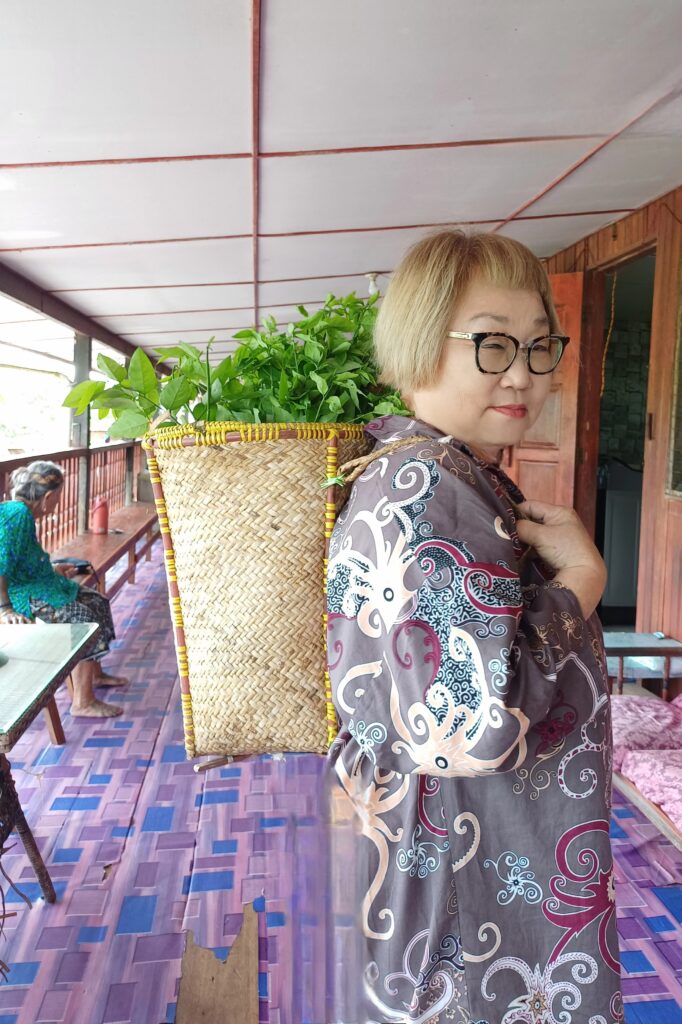
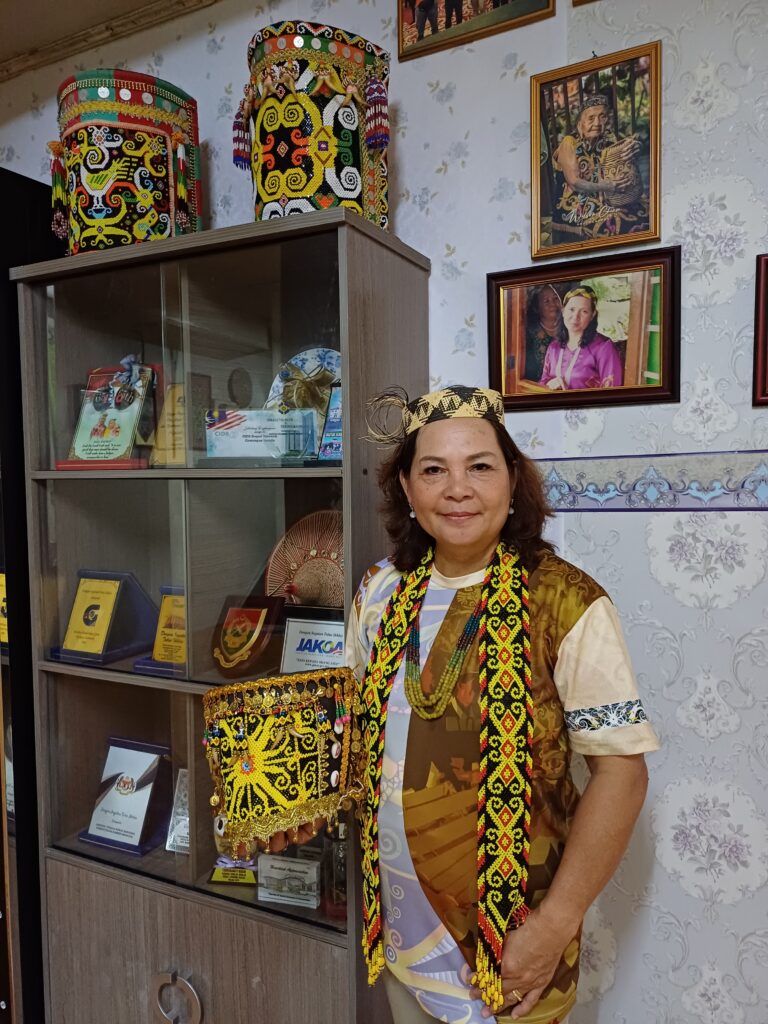
Among the hosts is Daisy Igang, a community member and homestay operator. Daisy has long supported cultural participation, providing costumes for performances and helping sustain traditions. Her brother-in-law owns Mebong Cove Villa, the lakeside retreat where we had stayed earlier.
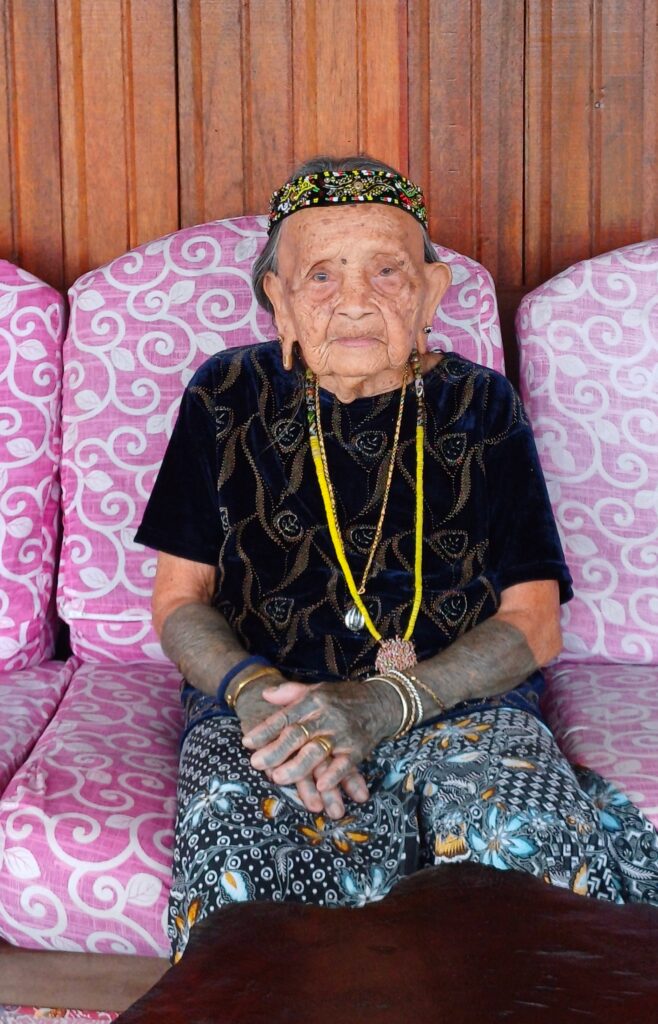
Her homestay was simple yet comfortable: clean bathrooms, well-kept rooms, and my fan-cooled space upstairs opened to views of lush greenery. But what struck me most was Daisy’s mother, Ubong Lawey, a 91-year-old Kayan woman whose agility still allows her to perform Orang Ulu dance moves and take long morning walks with a basket on her back.
Daisy herself has received recognition for her role in maintaining and sharing her community’s heritage.

Reflections
The trip was unlike any other I have taken. The landscapes were stunning, the people warm, and the food among the least processed I have ever eaten.
I had set out in search of the unfamiliar within a familiar land. What I found was not only natural beauty, but also a sense of belonging. A reminder that sometimes the most profound journeys are not the ones abroad, but the ones that bring us home.