LIMBANG: Communities in the interior of northern Sarawak will no longer have to rely on logging roads once the Sarawak-Sabah Link Road Phase 2 (SSLR2) is completed.
Works Minister, Datuk Seri Alexander Nanta Linggi, said the project would provide safer and more comfortable road access, connecting residents directly to Sarawak and Sabah.
He said SSLR2 would also serve as an alternative route between the two states, reducing reliance on existing roads that pass through Brunei’s borders.
“SSLR2 is expected to create more economic opportunities for the local community, particularly in agro-based industries and eco-tourism, while strengthening national integration.
“This project is an important effort to reinforce ties between Sarawak and Sabah, while upgrading transport networks that support economic and social development in both states.
“This road will not only ease mobility for the people, but also attract investments, drive rural growth, and foster integration among Malaysia’s diverse communities,” he said.
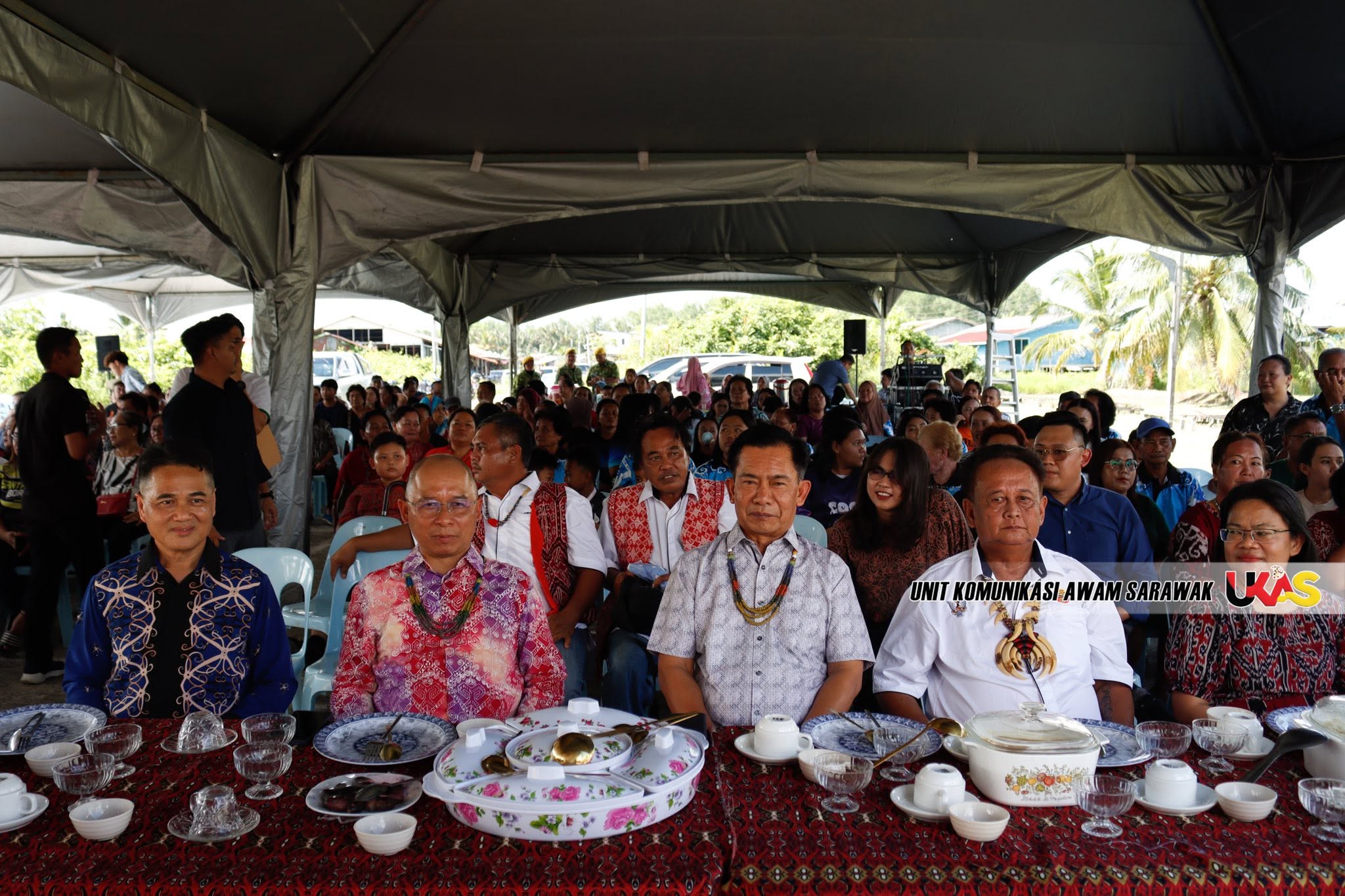
He said this during the launching of the SSLR2 project at Nanga Medamit today, which was officiated by Prime Minister Datuk Seri Anwar Ibrahim.
Nanta added that the project would contribute to sustainable economic growth and strengthen East Malaysia’s position as a dynamic regional hub.
He stressed that the launch reflected the federal and Sarawak Governments’ commitment to ensuring better access to facilities and development opportunities for all Malaysians.
“This success depends on the commitment and cooperation of many parties, with Sarawak Public Works Department (PWD) monitoring contractors to ensure compliance with scope, cost and timeline.
“As I often emphasise, we are not merely building road infrastructure but also shaping the future of our nation and its people,” he said.
The Kapit Member of Parliament stressed that in line with the ministry’s aspiration this year, the project must be completed ahead of time and not delayed with repeated extensions.
He also urged local residents to show cooperation and tolerance during construction works, noting that community support was vital to avoid delays or setbacks.