KUCHING: Sarawak’s palm oil sector is struggling with high labour costs and heavy dependence on foreign workers, raising concerns about the long-term sustainability of plantation operations.
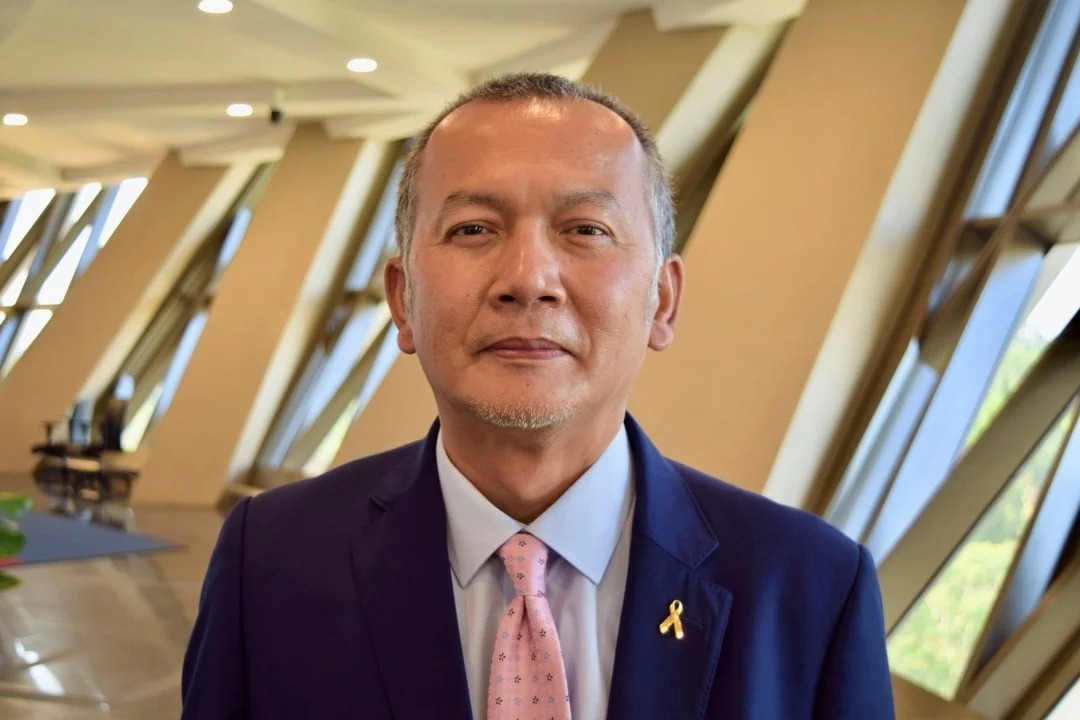
Permanent Secretary to the Ministry of Food Industry, Commodity and Regional Development, Datuk Sirai Daha, said plantation work remains unattractive to local workers because it is often described as “dirty, difficult, and dangerous”.
“This reliance on foreign labour is very expensive, and the cost of doing business in Sarawak is already between 15 and 20 per cent higher than in other parts of Asia,” he said at the Sarawak Oil Palm Plantation Owners Association (SOPPOA) forum today.
During the COVID-19 pandemic, many plantations operated at less than half capacity due to worker shortages, and although operations have since recovered, Sirai noted the industry still struggles to recruit and retain workers.
He also warned against the practice of employing undocumented workers, noting that while processing applications for foreign labour was once slow, improvements have now been made.
“We must make sure that all our workers are properly documented. The excuse of slow processing is no longer valid. We need to move forward with a workforce that is legal, safe and protected,” he said.
Sirai acknowledged that labour costs, combined with Sarawak’s higher production and logistical expenses and the state’s palm oil sales tax, make it harder for local producers to compete with counterparts in neighbouring countries.
He also stressed that a collaborative approach is the only way forward, describing the SOPPOA forum as a strategic move to unite stakeholders from smallholders and plantation owners to government agencies and research institutions in collectively forging a path of innovation and success.
“The future of Sarawak’s palm oil industry depends not just on markets and exports, but also on how we handle labour. Without sustainable solutions, our competitiveness will be at risk,” he added.