KUCHING: The BUDI95 fuel subsidy could save Malaysia up to RM4 billion a year, according to Dr Nivakan Sritharan.
The Swinburne University of Technology Sarawak’s lecturer said the targeted scheme marks a shift away from blanket subsidies, which cost the government RM52-58 billion in 2022 at the height of global price pressures.
He said with global oil prices expected to hover around USD75 per barrel, the savings could be redirected to healthcare, education and infrastructure, while MyKad verification ensures the subsidies reach genuine beneficiaries.
“BUDI95 is a cornerstone of subsidy reform. By shifting from blanket subsidies to targeted assistance, the government aims to reduce unnecessary spending and direct resources more effectively,” he told Sarawak Tribune.
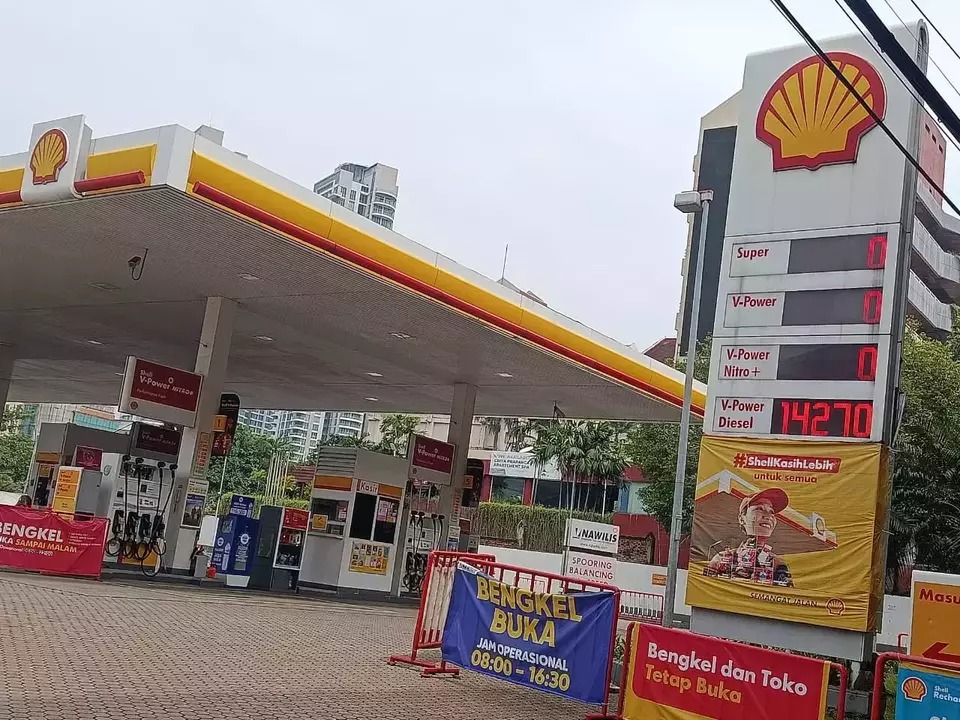
At the pump, the scheme fixes RON95 petrol at RM1.99 per litre, below the market rate of RM2.05.
This gives households immediate relief in commuting costs and logistics expenses.
However, Nivakan noted that the broader impact on inflation may take longer to show.
“Historically, when fuel prices rise, inflation tends to spike quickly. But when prices fall, the reverse effect is often slower.
“Businesses may retain cost savings rather than pass them on to consumers, using the opportunity to improve profit margins,” he explained.
He added that lower fuel bills will still increase disposable income for households, potentially boosting food, retail, leisure, transport and delivery services.
“Civil servants and law enforcement personnel, who were among the first to receive access, will also benefit directly.
“Retailers and petrol station operators may experience a boost in consumer activity, especially as fuel apps like Setel and CaltexGo streamline the subsidy process through MyKad verification,” he said.
He pointed out that the 300-litre monthly cap may not affect all groups equally.
Urban drivers, who typically use 110 to 135 litres a month, he said, fall well within the limit.
But rural drivers, who often cover longer distances due to limited public transport, risk exceeding it.
“Some rural commuters drive up to 170 km per day, meaning they could reach the cap well before the month ends.
“Currently, there are no adjustments or flexibilities built into the system to account for these differences,” he said.
E-hailing drivers, however, are exempt from the cap to reflect their high mileage.
He added that fixing the subsidised rate carries risks if global oil prices rise sharply.
“By keeping the subsidised price stable, the programme aims to provide predictability and protect household budgets.
“However, this approach requires careful fiscal planning and may limit flexibility in responding to future economic shocks,” he said.