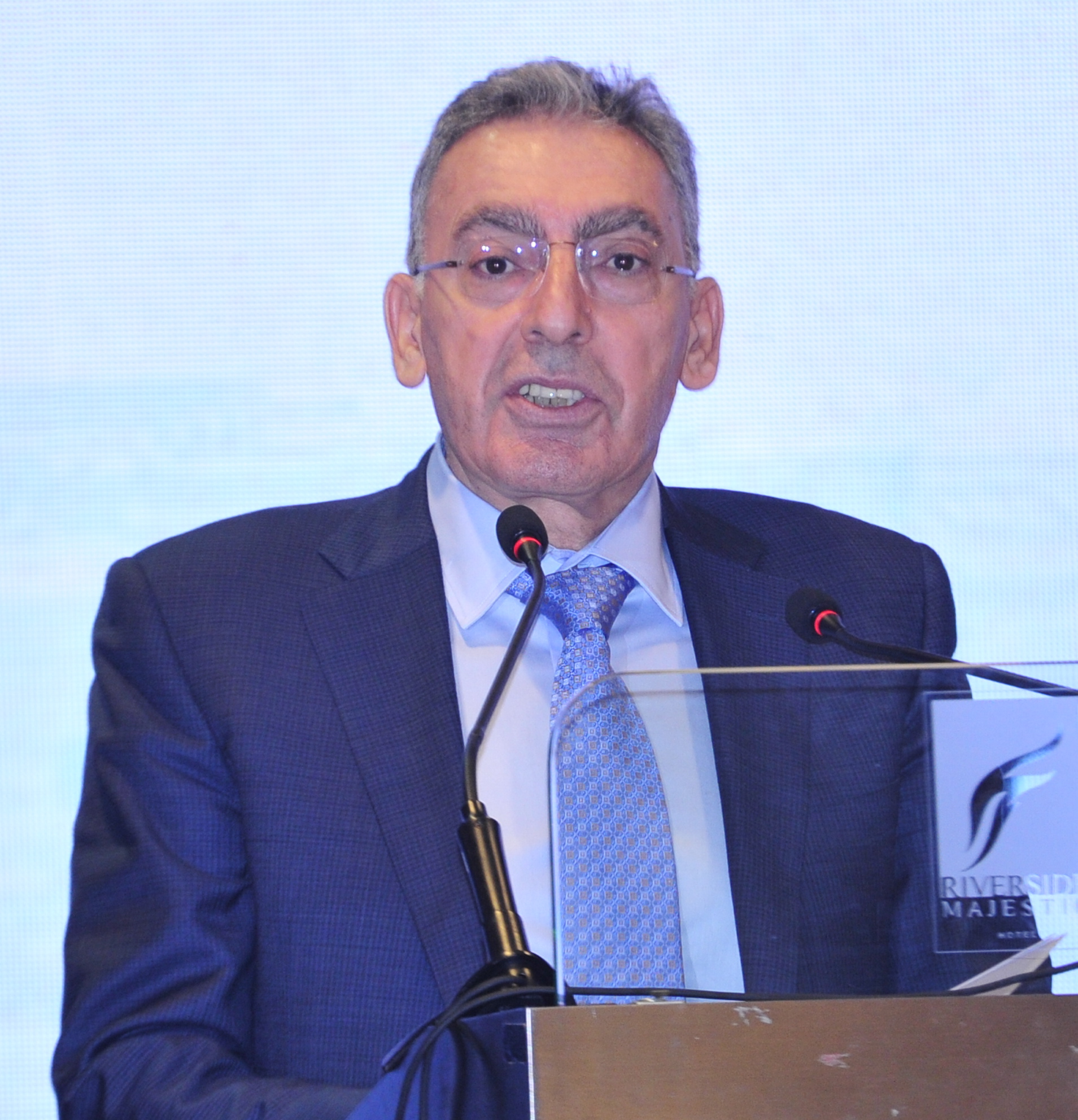
KUCHING: State-owned enterprises (SOEs) hold assets of US$45 trillion and in some countries account for up to 60 per cent of Gross Domestic Product (GDP), making stronger governance urgent, said Zafer Mustafaoglu.
The World Bank Division Director for the Philippines, Malaysia, and Brunei noted that SOEs are central to economies worldwide, accounting for 20 per cent of global investment and 5 per cent of employment.
He said they play important roles in addressing market failures, investing during downturns and ensuring access to essential services at affordable costs, especially for poor and vulnerable groups.
“SOEs are the only providers of basic services in many developing countries, helping to reduce poverty and inequality.
“However, their performance can vary widely and they are not always effective in achieving their goals,” he said.
He said this in his speech during the memorandum of agreement (MoA) signing between World Bank and MOF on Result Based Budgeting and SOEs Transformation at Riverside Majestic Hotel here yesterday.
He pointed out that SOEs are often prone to inefficiency and political interference, with preferential access to finance distorting markets and crowding out private sector development.
Their dependence on state-backed loans, he added, can also expose governments to major fiscal risks, especially in today’s constrained fiscal environment.
“Improving SOEs performance often requires addressing underlying institutional and governance challenges. The importance of this task can hardly be overestimated,” he said.
Stronger corporate governance, he explained, can boost efficiency, promote financial resilience, reduce fiscal risks and ensure access to affordable services.
Mustafaoglu said the World Bank brings global expertise to Sarawak’s reform agenda, drawing on more than 1,000 projects implemented between 2008 and 2018 worth over US$70 billion.
“These included financial, technical and advisory support to strengthen government efficiency, stimulate private sector growth and create higher quality jobs.”
He stressed that public financial management (PFM) is as critical as SOE reform.
On average, he said, governments spend 30 to 35 per cent of GDP, with social protection, health and education taking the largest share.
“Strengthening PFM is therefore critical for macro-fiscal stability and economic development as it ensures efficient allocation and use of public resources, enhances fiscal discipline and builds trust in government institutions,” he said.
He highlighted the sharp rise in global debt, from a pre-pandemic average of 55 per cent of GDP to more than 93 per cent in 2024, warning that debt servicing pressures will remain high.
In such an environment, he said, outcome-based approaches to PFM are increasingly needed.
He described Sarawak’s move to introduce results-based budgeting (RBB) as a ‘paradigm shift’.
The integrated RBB model, he said, has the potential to align ministries, departments and agencies around a common results framework.
“It will reduce programme redundancies, cut administrative costs and improve service delivery.
“Most importantly, it moves agencies from being administrative units to becoming development entities that plan and think strategically toward outcomes,” he said.
Having said that, Mustafaoglu said governance and financial reforms are long-term processes that demand political commitment, resources and cultural change.
“Looking at what has already been achieved since the beginning of our engagement back in 2022, I have no doubt you will succeed in your efforts,” he said.