MUKAH: The rich diversity of ethnic groups and faiths in Sarawak underpins the harmony and unity of its society.
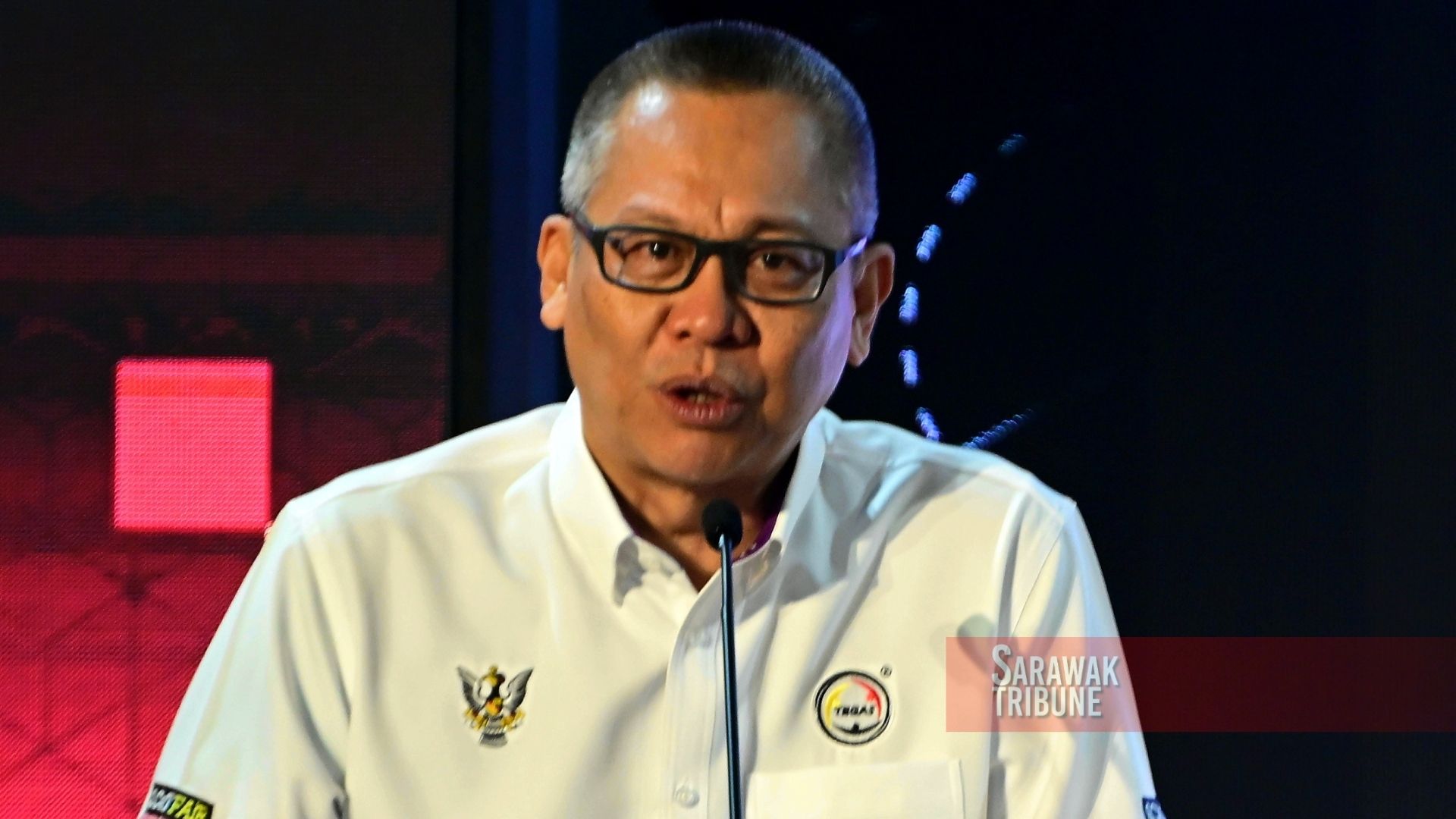
Tellian Assemblyman, Royston Valentine, said that the State’s success in maintaining unity among its multi-ethnic communities stemmed from the spirit of mutual respect and the willingness to embrace differences.
“Customs and traditions remain the core foundation in shaping the identity of society, serving as a guide in daily life. Customs are very important and must be preserved in our community,” he said.
Royston said this when speaking at the Closing Ceremony of the Iban Customs 1993 Seminar for Newly Appointed Iban Community Leaders (Tuai Rumah) in the Mukah District, held at Kingwood Hotel Mukah on Thursday.

He also reminded community leaders, especially newly appointed tuai rumah, to strengthen their knowledge and understanding of customs so that leadership continuity based on traditional values could be maintained.
“Young people entrusted as tuai rumah must learn and understand their responsibilities so that the customs and culture, which are the cornerstone of the Iban community’s way of life, continue to be preserved,” he said.
He also stressed the need for community leaders to adapt to the use of technology in administration and in disseminating information to the people.
Thus, he called for close cooperation among community and village chiefs (KMKK) to be further strengthened to ensure smooth implementation of development projects in rural areas.
“If there is no mutual understanding or if conflicts arise among grassroots leaders, this can disrupt and slow down the development process in their respective areas,” he said.
Earlier, the Secretary of the Sarawak Council for Native Customs and Traditions (MAIS), Mackos Sibong, said the seminar aimed to strengthen understanding of the Iban Customs 1993 so that its implementation at the grassroots level would be more uniform and organised.
“The main objective of this seminar is to enhance the competency of community leaders in carrying out their responsibilities based on the Iban Customs 1993, as well as to empower their understanding so that its application remains relevant to current needs,” he said.
He also hoped that the seminar participants would make full use of the knowledge gained to strengthen their roles as community leaders grounded in local customs and culture.