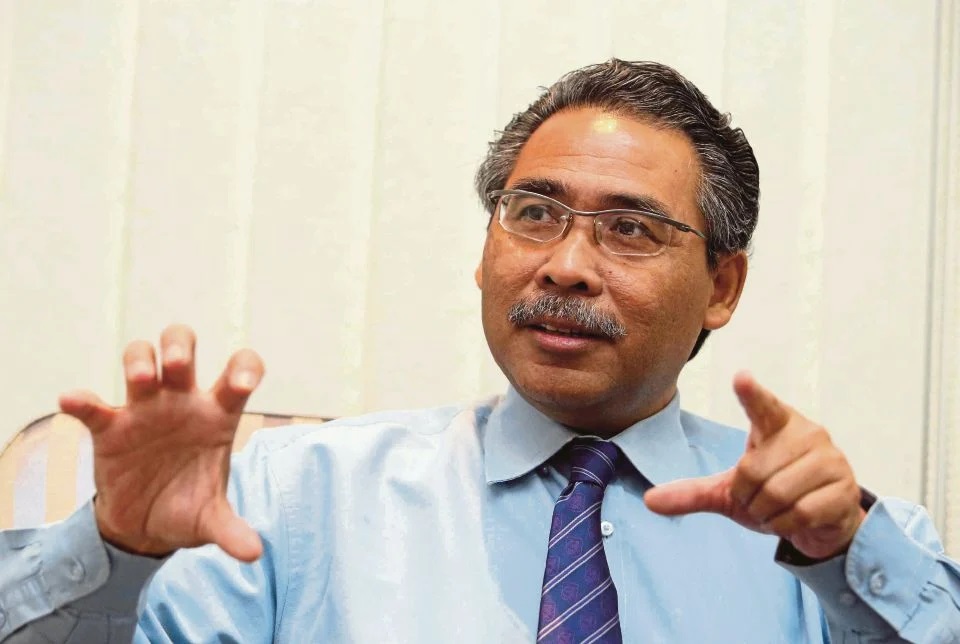
KUCHING: Datuk Snowdan Lawan’s withdrawal from the Parti Rakyat Sarawak (PRS) deputy president race has drawn scrutiny from political analyst Prof Dr Azmi Hassan, who questioned the reasoning behind the move.
Azmi, who is also a National Professors Council Fellow, said Snowdan’s explanation that the decision was made to stabilise the party did not hold water, especially when the top post of president itself was still being contested.
He said the reasoning was difficult to accept, given that moving up to the deputy president post would have been the natural progression for Snowdan after leading the youth wing, particularly since he had earlier declared his intention to contest.
“After so many years leading the youth wing, I think he needed to upgrade himself. The deputy president’s post would have been the most appropriate position.
“He did well by putting out his intention to contest some time back.
“But suddenly he seemed to withdraw using the reason of stabilising the party. It is very hard for me to agree with that or to concur with his reasoning,” he said when contacted today (Oct 14).
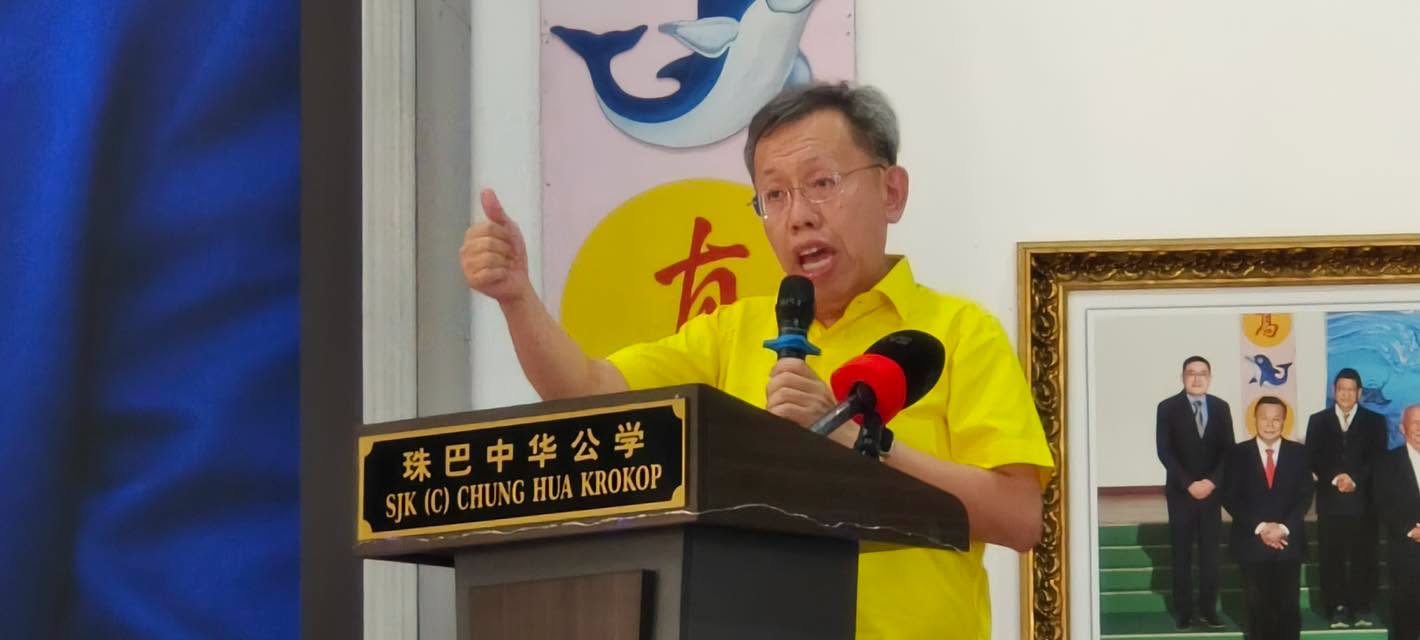
Snowdan, who is the Tourism, Creative Industry and Performing Arts deputy minister, has been PRS Youth chief since October 2016.
After serving nine years in that role, he earlier announced plans not to defend the youth chief position and instead contest the deputy president’s post.
However, he confirmed that he would not proceed with the bid in a press conference earlier today.
Azmi stressed that Snowdan’s withdrawal effectively maintained the status quo for the number two post, while the party faced extreme changes at the very top as the presidency was left open.
“So the balance of power and leadership succession in PRS remains unchanged at the deputy president level. But for the top post, the shift will be significant,” he added.
He further cautioned that the changes in leadership could weaken PRS’ bargaining strength in Gabungan Parti Sarawak (GPS), depending on the relationship of the new leaders with the coalition leadership.
“The bargaining chip that PRS has could be lowered depending on how the new leadership aligns with GPS’ top leaders from the other component parties,” he explained.