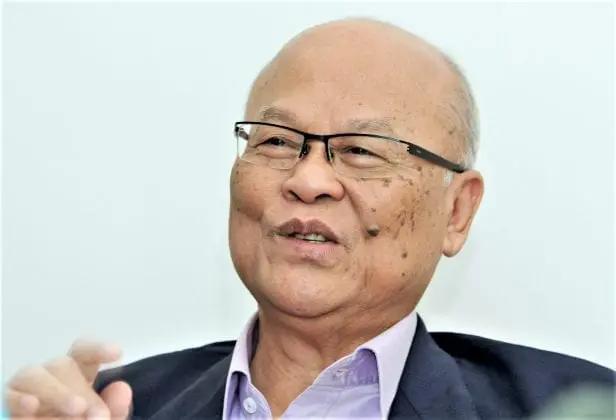
SIBU: In an increasingly digital global era, a local academic, Prof Dr Tunza Mohd Riduan, is leading an important discussion on how organisations must adapt to hybrid and digital work environments.
His research, titled “The Future of Work: Leading in a Hybrid and Digital World”, examines how the rapid digital transformation accelerated by the Covid-19 pandemic has reshaped the modern workforce.
He believed that the hybrid work model, where employees divide their time between the office and remote locations, will define a new era of organisational productivity.
“The pandemic forced every business to re-evaluate how work is conducted,” he said on Tuesday (Oct 14).
“I chose this research because I wanted to understand how leaders can navigate this new landscape, how they can maintain human connection and productivity in a digital environment.”
According to his findings, hybrid work arrangements are no longer optional, but a necessity. The model, he said, offers employees flexibility while enhancing organisational efficiency.
“This is vital to ensure Malaysia’s competitiveness in the global economy. The study also emphasises that digital transformation forms the foundation of the hybrid system.
“Organisations are now urged to reduce operational costs, promote collaboration, and sustain continuous virtual engagement with remote workers.”
However, he also cautioned that challenges remain, including managerial bias towards office-based employees, cybersecurity threats, and psychological strain that may lead to burnout.
“The hybrid system will not succeed without strong leadership. It is not just about providing technology, it’s about building trust, empathy, and resilience among managers and teams.”
The research employed a quantitative approach through surveys to gather insights from both employees and employers in Malaysia. It assessed how well local organisations have adapted to hybrid systems and identified existing gaps in digital readiness.
Prof Tunza revealed that findings show employees given flexibility during the pandemic recorded a 36 per cent increase in productivity, aligning with global findings from the Microsoft Work Trend Index.
However, he stressed that this improvement will not be sustainable without ongoing efforts in digital training and supportive leadership.
His study also referenced several international works, including those by Andrea Alexander and Muhammad Javed Iqbal, which indicate that hybrid workplaces have become the dominant model in post-pandemic Europe and Asia.
From a human resource management perspective, he identified digital tools as the “new heartbeat” of modern organisations, including performance assessment software, collaboration platforms such as Powell Intranet, and digital training systems like WalkMe and ezTalks Cloud Meeting.
However, he emphasised that technology alone does not guarantee success.
“True transformation begins when leaders put people first, when digital systems are designed to empower, not control.”
Interestingly, his findings also show that Malaysia’s small and medium enterprises (SMEs) are aligning with global trends, with 69 per cent of employees open to flexible work and 64 per cent seeking remote work opportunities.
“Younger professionals, especially Generation Z, also display a strong interest in hybrid work environments that prioritise work-life balance, a shift that redefines career success for the current generation.”
In evaluating the implications of his study, Prof Tunza highlighted the need for data-driven leadership decisions rather than generic policies. Each organisation, he said, must tailor its hybrid model to suit its own culture and operational needs.
He also stressed that digital security has become a strategic priority. With the rise of cyber threats, companies must strengthen data protection while maintaining seamless collaboration.
Through his research, he recommended a balanced approach that integrates “bricks, bytes and behaviour” — physical spaces, digital infrastructure, and human values — as the foundation of modern organisations.
Ultimately, the study concludes that hybrid work is not merely a response to the pandemic but a permanent shift in the structure and values of future work.
“The hybrid model is an evolution of human work, it’s about designing work around human needs, not forcing people to fit into outdated systems.”
Through his research, he hoped to inspire Malaysian organisations to lead with innovation and empathy, ensuring the nation’s future world of work remains inclusive, productive, and sustainable.