KUCHING: Sarawak is calling for mental health care to move beyond hospitals and reach people in their daily environments, at home, school and work, to create a more compassionate and resilient society.
Deputy Premier Datuk Amar Prof Dr Sim Kui Hian, in a speech read by his political secretary, Kho Teck Wan, said that mental health should be seen as a collective community effort, not just the responsibility of professionals or medical institutions.
“We often talk about mental health as though it belongs only to health professionals or to hospitals.
“But in truth, mental health belongs to all of us – to families, to schools, to workplaces, to community centres and to neighbourhoods. When someone is struggling, it is not just their burden – it is ours too,” he said.

He added that mental well-being should be seen as part of everyday conversation and how people care for one another.
Citing data from the National Health Screening Initiative (NHSI), Dr Sim said that the number of Sarawakians showing symptoms of depression and anxiety has increased over the past three years.
“In 2023, 0.35 per cent of individuals screened showed symptoms of depression and 0.19 per cent showed symptoms of anxiety.
“In 2024, depressive symptoms rose to 0.75 per cent, while anxiety symptoms were at 0.28 per cent.
“From January to June 2025, the rates further increased to 1.1 per cent for depressive symptoms and 0.4 per cent for anxiety,” he said.
Dr Sim stressed that these numbers are not just statistics, but represent our neighbours, friends and families.
“They tell us that the need for mental health support is real, growing and must be met with compassion and action,” he added.
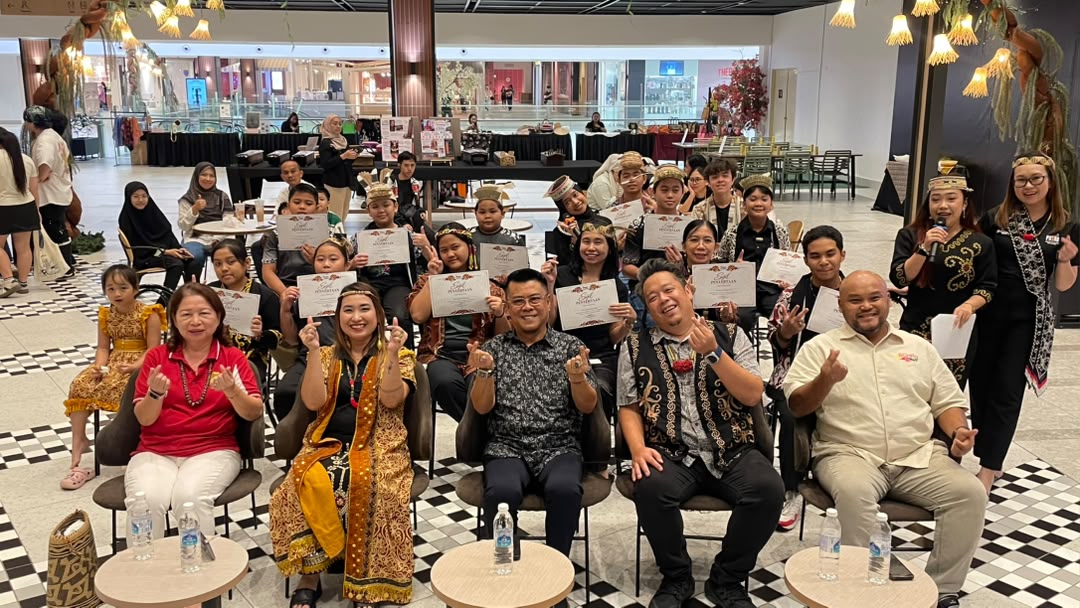
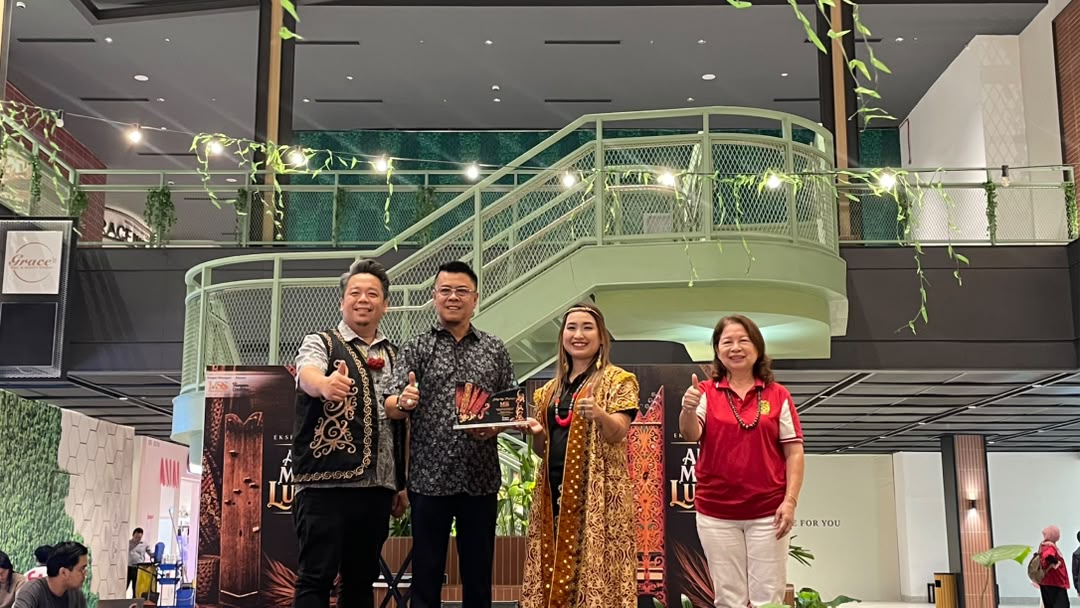
Dr Sim commended the Mental Health Association of Sarawak (MHAS) Kuching Branch, Befrienders Kuching, Dee Hati Centre, Bodhi Counselling Centre, and MENTARI SGH and Sentosa for bringing help closer to the community.
“When a counselling booth opens in a mall, when a peer support group meets in a community hall or a café, when a school does early screening, that is access, meeting people where they are,” he said.
He said that Sarawak currently has 26 mental health and psychosocial support (MHPSS) teams comprising 301 trained personnel ready to respond in times of disaster or crisis.
“In times of adversity and crisis, access must be not just a slogan, but a reality for every person in Sarawak,” he said.
Dr Sim also urged community leaders, corporate companies and youth groups to adopt or host mental health and first-aid programmes, saying collective action can make it easier for those in need to seek help.