LAST Friday evening, over teh tarik at a local café, my friends and I found ourselves deep in conversation about something surprisingly passionate – parking.
Not just any parking, but the kind that makes you sigh in frustration or shake your head in disbelief.
We were talking about ethical parking in Kuching City, and how the simple act of parking a car can reflect so much about our values, our empathy and our respect for others.
In a city as vibrant and evolving as Kuching, where heritage buildings sit beside modern developments, the streets are alive with movements – and often, with parking chaos.
From double parking to blocking driveways, from misusing disabled bays to turning public lots into private garages, unethical parking has become a daily nuisance.
But more than that, it’s a symptom of a deeper issue: a lack of consideration for our fellow citizens.
It’s time we rethink parking not as a personal convenience, but as a shared responsibility.
One that’s rooted in the simple but powerful idea of ‘Love Thy Neighbourhood’.
Why ethical parking matters
Ethical parking isn’t just about obeying traffic laws. It’s about empathy.
It’s about asking yourself, “Will this parking spot inconvenience someone else?” before you turn off the engine.
It means not blocking someone’s gate, not hogging two spots, and not assuming that a public space is yours to claim.
Kuching is growing – more people, more cars, more movements. And with that growth comes the need for more thoughtful behaviour.
Ethical parking helps reduce congestion, prevents accidents and ensures that emergency vehicles, pedestrians and public transport can move freely.
Case study 1: Jalan Batu Lintang’s cooling business controversy
One notable incident that drew public attention earlier this year involved the use of public parking spaces at a commercial complex along Jalan Batu Lintang.
A business specialising in cooling services was observed utilising these shared parking bays as an extension of its operational space, effectively converting them into a temporary service area.
This practice inadvertently limited access to parking for other patrons and caused inconvenience to nearby motorists and business owners.
The matter has since highlighted the importance of responsible space usage in shared commercial environments and the need for continued dialogue and cooperation among stakeholders to ensure a harmonious and accessible urban setting.
According to a report by a local daily dated January 10, 2025, the Kuching South City Council (MBKS) responded to a series of public complaints regarding the misuse of communal parking spaces by a local business.
Following a thorough review, appropriate legal measures were taken to address the matter.
This incident underscored broader concerns about the responsible use of shared urban infrastructure, highlighting the need for businesses to balance commercial interests with community welfare and respect for public amenities.
This case reminds us that ethical parking isn’t just a personal issue – it’s a community one.
When businesses misuse public spaces, it sets a dangerous precedent and erodes trust in shared infrastructure.
Case study 2: The cone-andbin tactic
Another common – and infuriating – practice we discussed was the habit of reserving public parking spots with cones, bins or even chairs.
You’ve probably seen it: someone places an object in a public bay to “save” it for himself or his customers. It’s as if the street outside his shop suddenly becomes his driveway.
This behaviour is not only unethical, but also illegal. Public parking is meant for everyone.
When someone claims it as his own, he is denying others fair access and contributing to congestion and conflict. It’s a classic case of entitlement over empathy.
We need to shift our mindset. Public space is a shared resource, not a personal entitlement.
Ethical parking means treating every spot as communal – first come, first served, and always with consideration.
Case study 3: An experience at BDC
Kai Wei shared a frustrating experience from last weekend at the BDC shopping area.
After parking near a popular coffee shop, he returned to find another vehicle parked directly in front of his, blocking his exit.
With no note or contact number left behind, he was forced to wait nearly 30 minutes for the driver to return.
He hopes this serves as a reminder for all of us to practise ethical parking and respect shared spaces.
Love Thy Neighbourhood: Parking with empathy
The phrase ‘Love Thy Neighbourhood’ is very practical. Ethical parking is one of the simplest ways to show respect for others.
Whether it’s a parent with a stroller, a senior citizen needing a nearby spot or a delivery driver trying to do their job, our choices matter.
Here are a few ways we can embody this mindset:
• Avoid double-parking, especially near schools, hospitals and narrow streets.
• Respect disabled and family bays – even if they look empty.
• Don’t park on sidewalks – it endangers pedestrians and wheelchair users.
• Use designated zones, not green spaces or residential gates.
• Limit parking time in busy areas to allow turnover.
Enforcement vs. Education
While enforcement is necessary – as seen in MBKS’s crackdown – it’s not enough. Ethical parking thrives when people internalise the value of consideration.
Public campaigns, school programmes and community-led initiatives can help instil these values early.
Imagine a Kuching where every driver pauses to ask, “Will this parking inconvenience someone?”
That simple question could transform our urban experience.
A vision for Kuching
Kuching is a city of charm, culture and community. To preserve its spirit, we must treat its streets with care.
Ethical parking is a small act with a big impact – a gesture of respect that ripples outward.
Let’s not wait for fines or frustration to guide our behaviour. Let’s choose empathy, every time we park.
Because loving our neighbourhood starts with how we share it – one parking spot at a time.
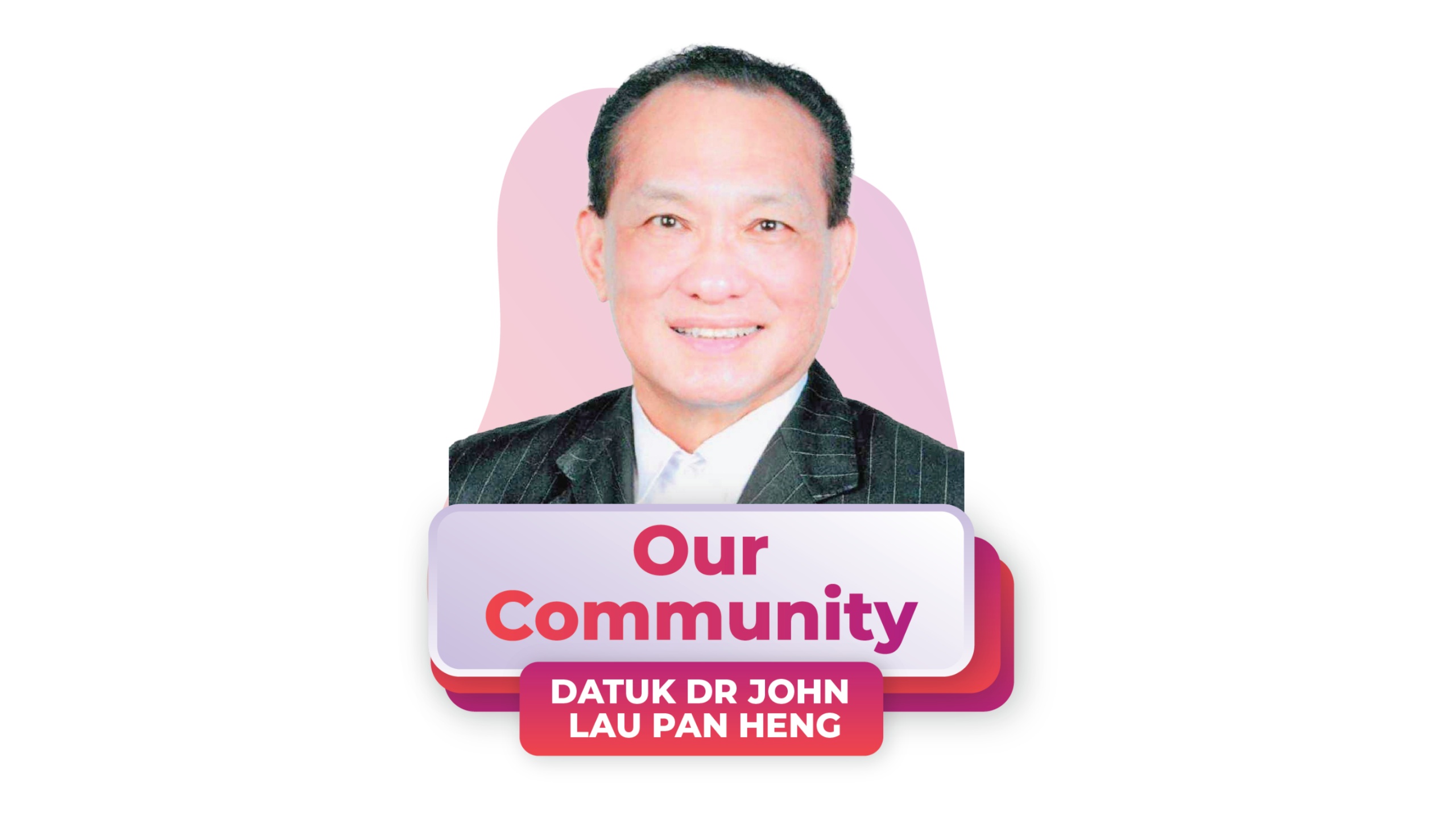
The views expressed here are those of the writer and do not necessarily represent the views of Sarawak Tribune. The writer can be reached at drjohnlau@gmail. com.