DEEP within the quiet hills of Bau, near Tasik Biru (Blue Lake), remnants of a once-glittering past still stand – silent, weathered and forgotten.
These are the old buildings of Bukit Young Goldmine Sdn Bhd, which during its heyday was one of the most prominent mining operations in Sarawak.
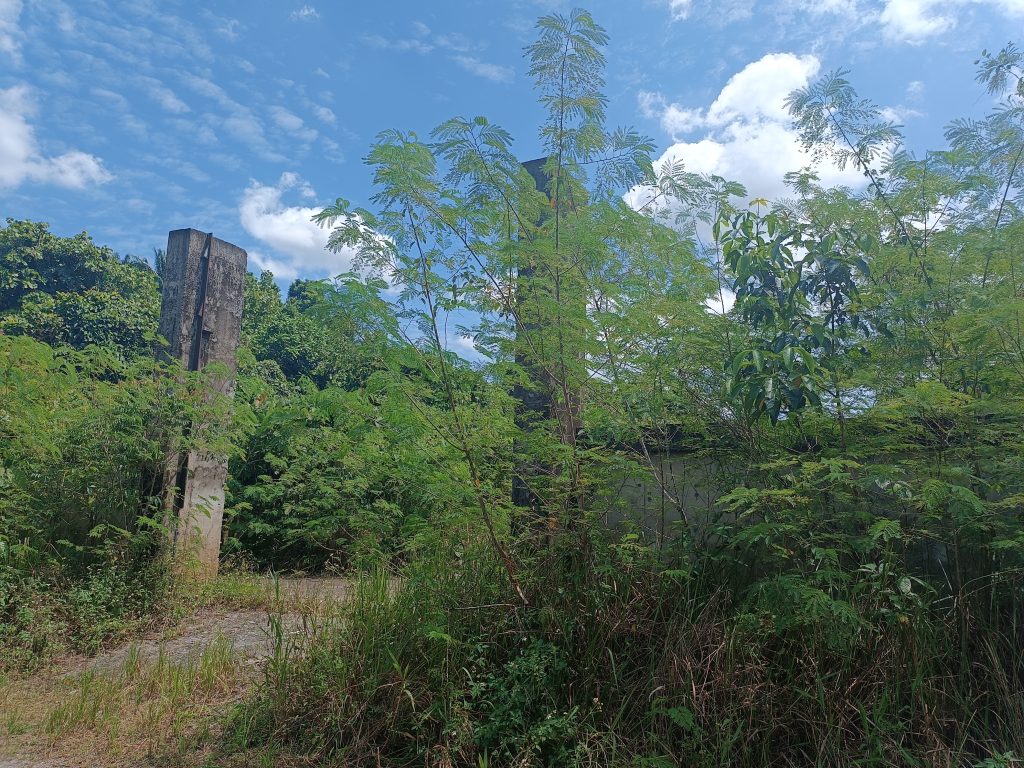
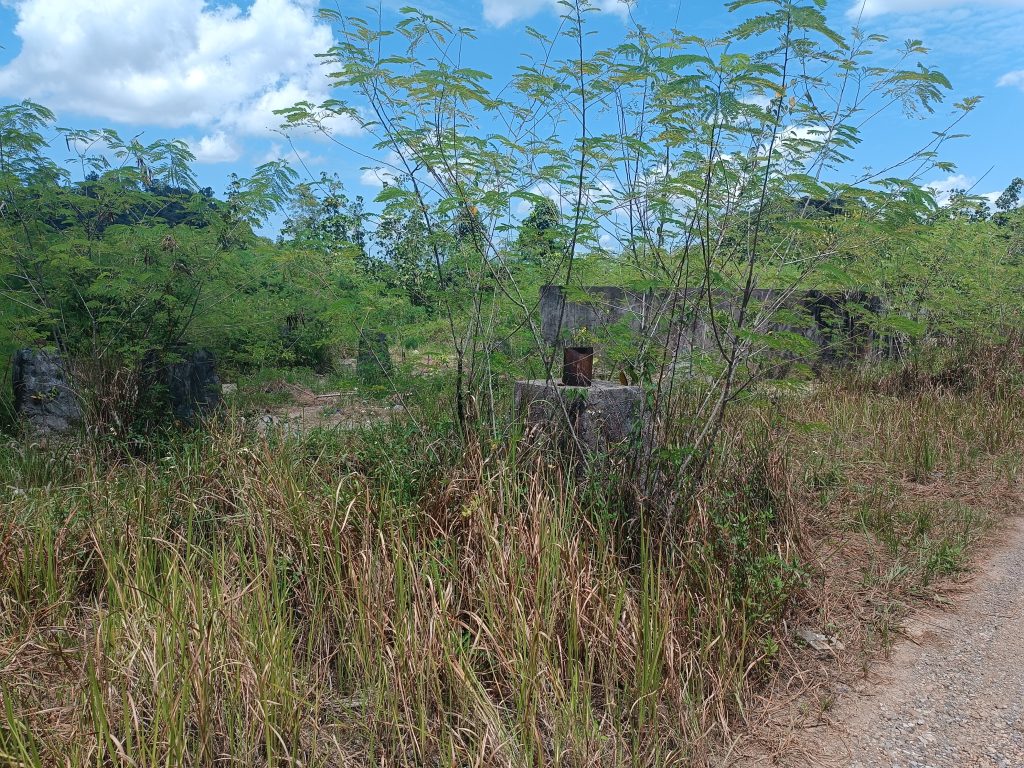
Today, these crumbling structures have been swallowed by vegetation and time, but they continue to whisper stories of ambition, labour and the relentless pursuit of gold that shaped Bau’s early history.
Once bustling with the hum of machinery and the chatter of miners, the site now lies eerily still.
Located not far from the old mining tunnels that honeycomb Bau’s landscape, the compound was once a hive of industrial activity.
Bukit Young Gold Mine Sdn Bhd is believed to have contributed significantly to the local economy before its mining operations gradually ceased in 1992.
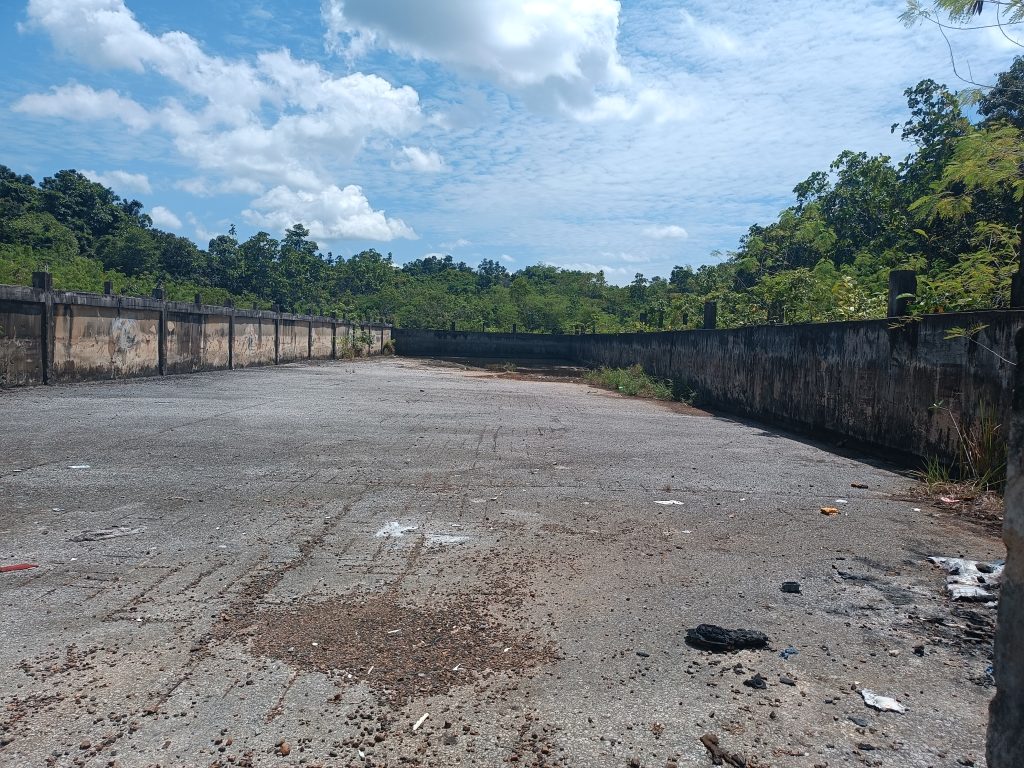
With the industry’s decline, the site was left to decay, the once-proud buildings slowly surrendering to nature.
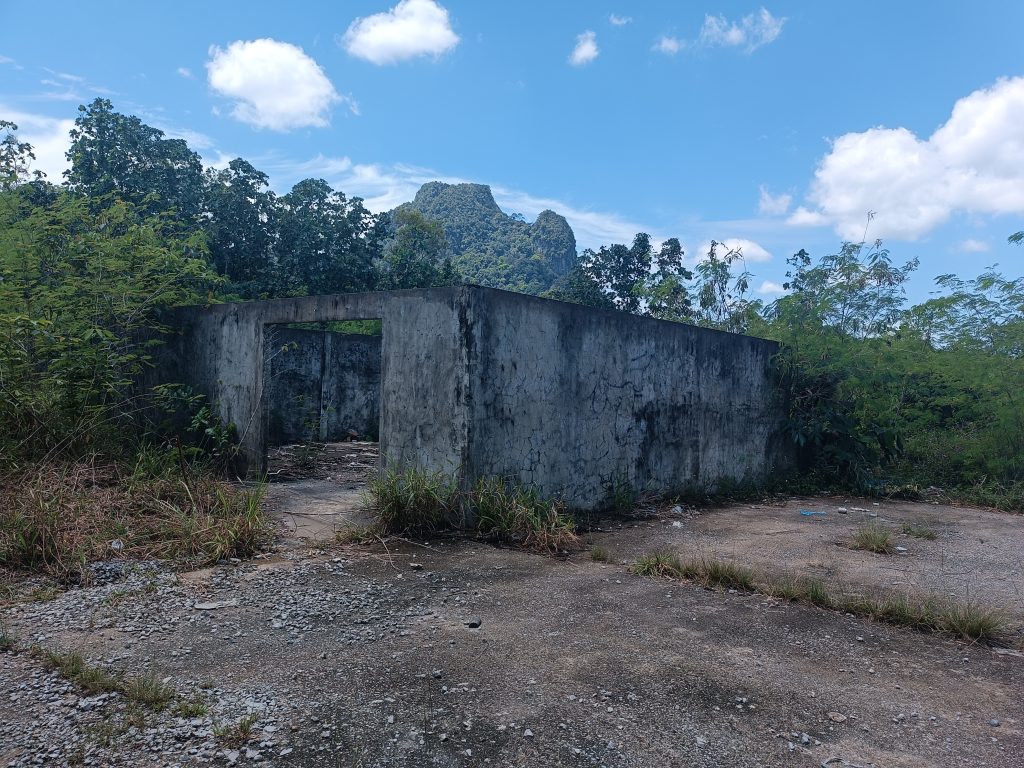
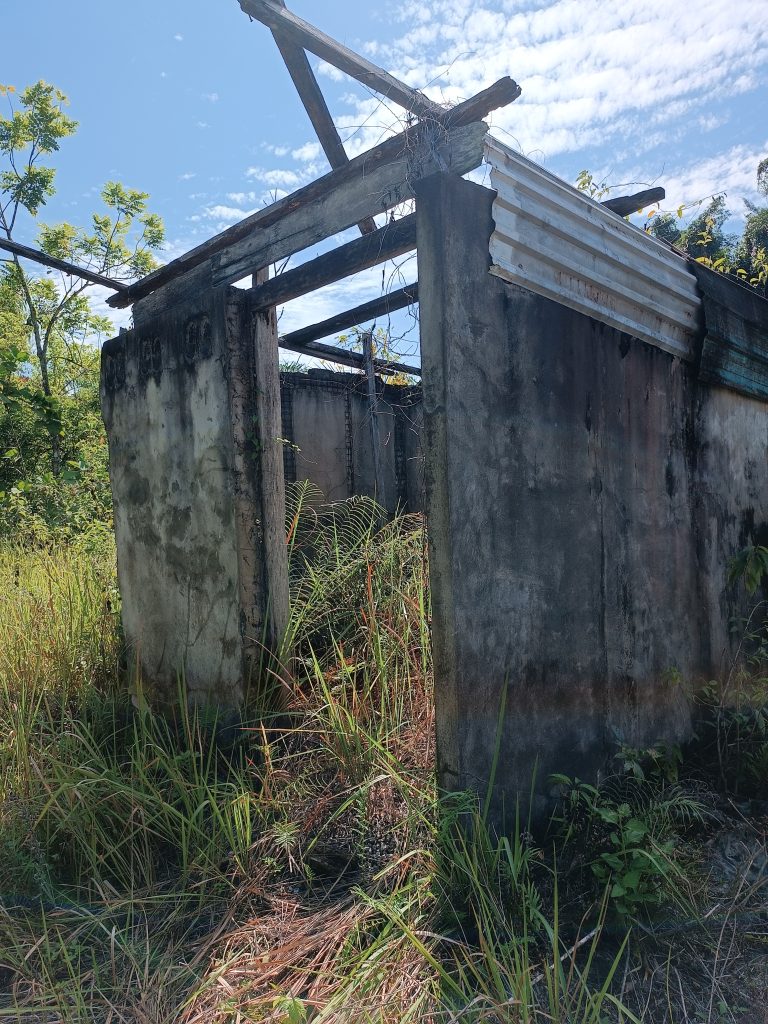
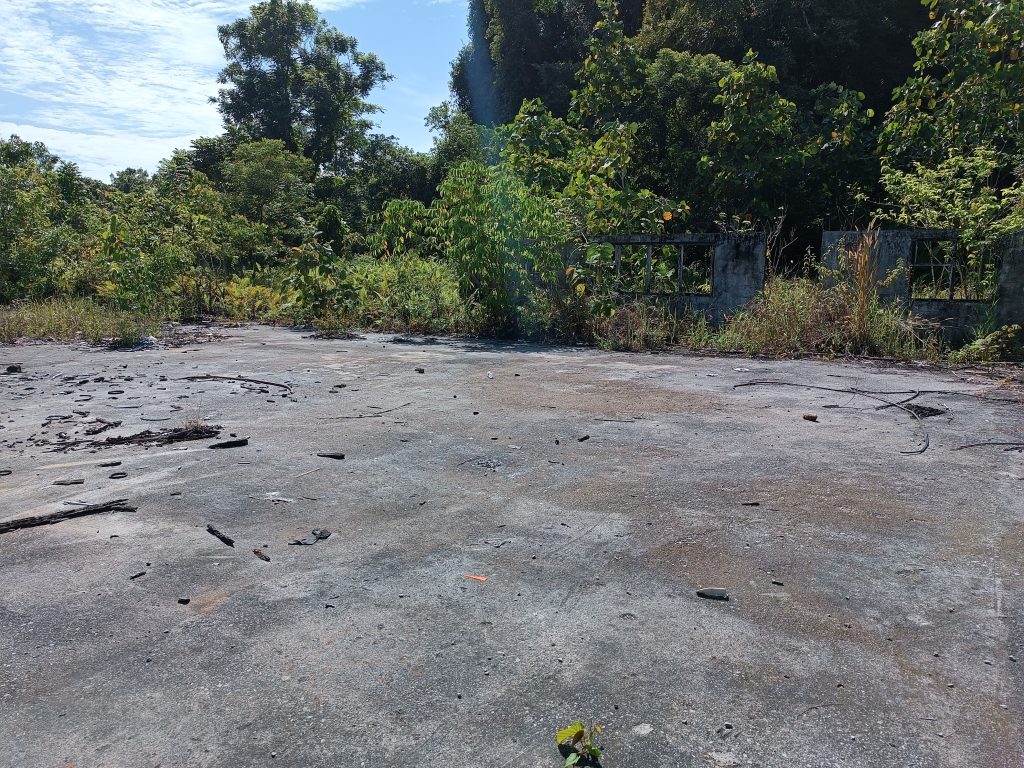
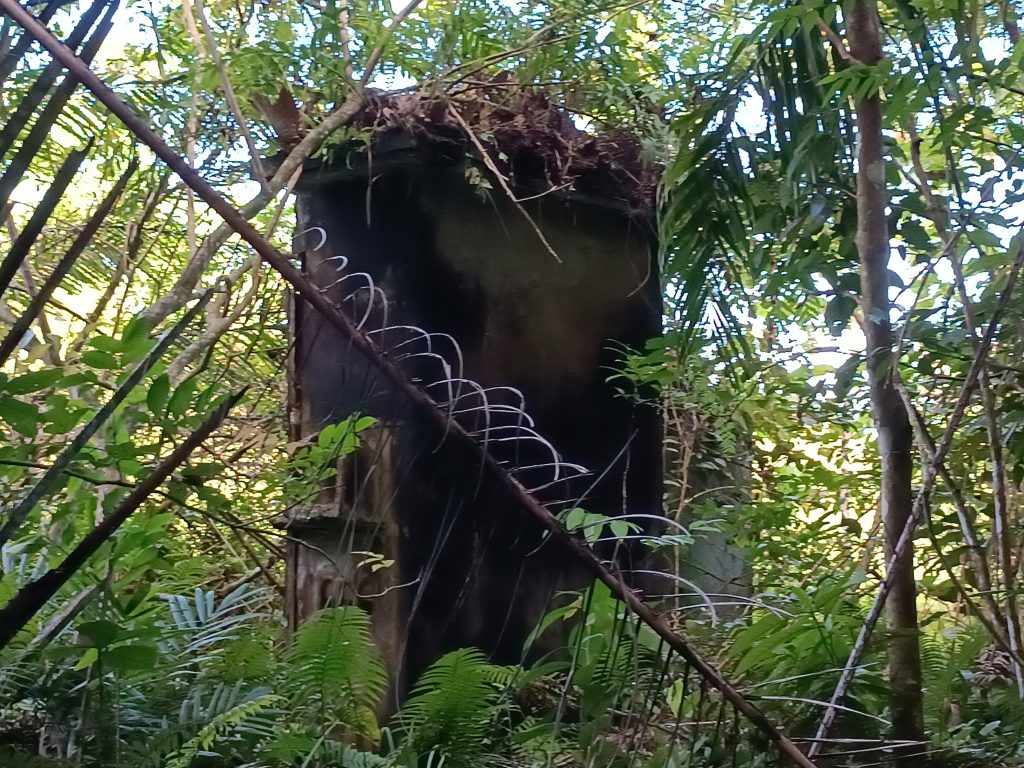
Sunlight now streams direct through the roofless structures where once stood busy workstations, and creepers climb the skeletal remains of mini chimneys that once belched smoke into the sky.
Though silent, the site speaks volumes – a haunting yet beautiful reminder of the town’s golden heritage and the impermanence of human endeavour against the steady reclaim of time and nature.
Locals who grew up hearing tales of the mine might still remember how lorries used to rumble down the narrow roads carrying ore, while miners toiled day and night in the surrounding hills.
Some may also remember the mine as a place of both fortune and hardship – a symbol of Bau’s prosperity and its struggle for modernisation.
When the mine finally closed, workers had moved on, and the site was left abandoned, leaving behind only empty shells and fading memories.
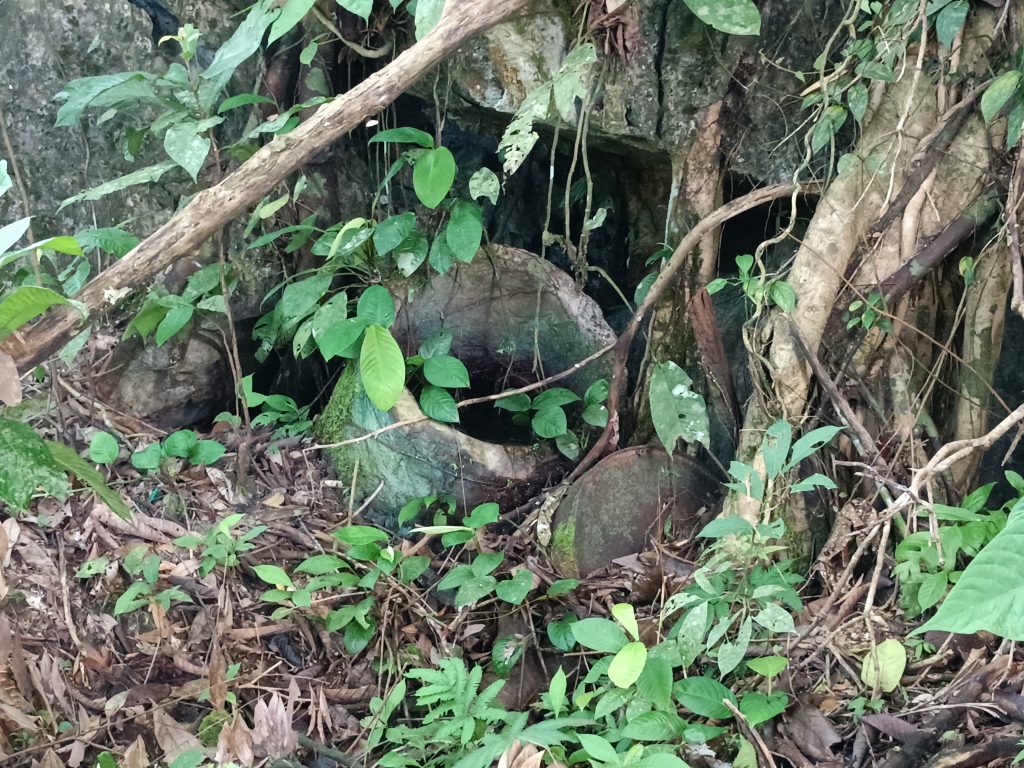
Over the decades, the forest has taken back much of what once belonged to it. Vines creep through doorways, and tall grasses blanket what used to be open yards and storage areas.
Yet, despite years of neglect, the structures have endured – a testament to the sturdy engineering of the time and the town’s industrial past.
In recent years, as Bau seeks to reinvent itself through heritage and eco-tourism, the site has drawn renewed attention.
Now, it is one of several historical landmarks identified within the proposed Bau Tourism and Cultural Park, an ambitious initiative to preserve and showcase the town’s rich mining legacy.
Led by Tasik Biru state assemblyman, Datuk Henry Harry Jinep, planners envision transforming the area into an open-air heritage attraction where visitors can walk among restored ruins, learn about gold mining history, and experience the cultural tapestry that grew around it.
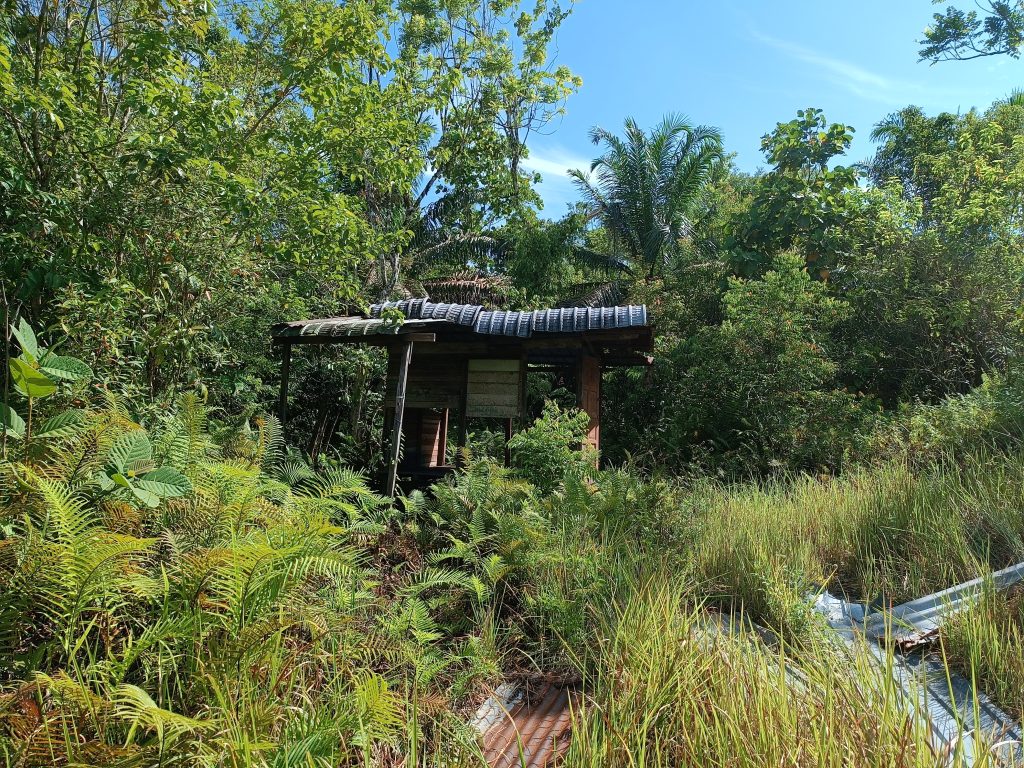
The idea is to create a heritage circuit linking these historic and natural sites, allowing visitors to explore Bau’s unique blend of geology, history and culture.
The plan is said to include preserving the old structures as open-air exhibits. Instead of rebuilding, the approach will be to stabilise and interpret the ruins – installing information panels, walkways, and guided tour routes that narrate the story of the goldmine and its people.
Jack Oduin, Jinep’s personal assistant who showed me the place during our site visit, said the value of these structures lies in their authenticity.
“I believed Datuk (Henry), the local authority and heritage planners don’t want to turn them into something artificial. Their weathered look – the rust, the cracks, the overgrowth – that’s what makes them real and powerful,” he said.
If realised, the proposed Bau Tourism and Cultural Park project could breathe new life into these forgotten structures, giving them a new purpose as educational and cultural landmarks.
More importantly, it would reconnect younger generations with a vital chapter of Sarawak’s industrial story – one often overshadowed by the natural beauty of the surrounding caves and lakes.
Bau’s history is deeply intertwined with gold. Mining in the area dates back to the early 19th century, when Chinese settlers, led by the Hakka pioneers of the Twelve Kongsi, discovered gold in the rivers and hills.
The discovery turned Bau into a bustling settlement and a centre of trade, but it also set the stage for historical conflicts, including the tragic 1857 Chinese uprising.
Through it all, gold remained the heartbeat of the town for more than a century.
The Bukit Young Gold Mine era, though short-lived in comparison, represents the modern industrial phase of that long journey – a time when mining evolved from manual labour to mechanical extraction.
The site’s surviving structures, though derelict, hold immense historical value.
Their preservation is not merely about nostalgia but about recognising the engineering, community, and resilience that defined Bau’s transformation from a mining town to a heritage destination.
Standing among the ruins today, one can almost imagine the past coming alive – the rhythmic pounding of ore crushers, the murmur of workers trading stories after a long shift.
The walls may be naked and reclaimed by black moss, cracked and the roofs may have gone, but the spirit of the place endures, etched into every stone and rusted bolt.
As Bau moves towards a new chapter, the old Bukit Young Goldmiine buildings remain an evocative symbol of what once was – a powerful reminder that beneath the quiet landscape lies a legacy built on dreams of gold and the hands of those who dared to chase it.