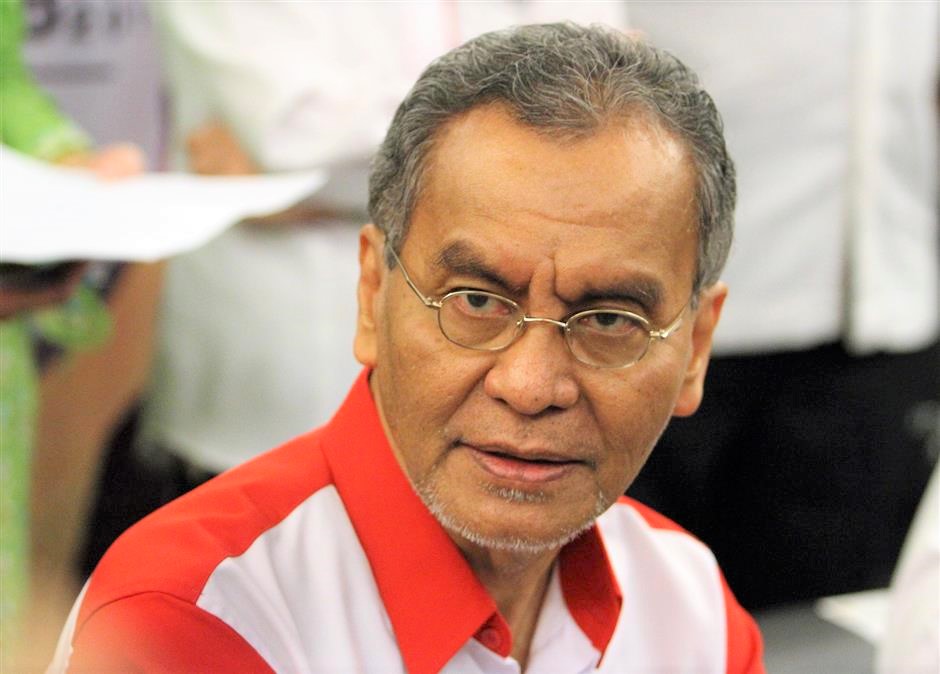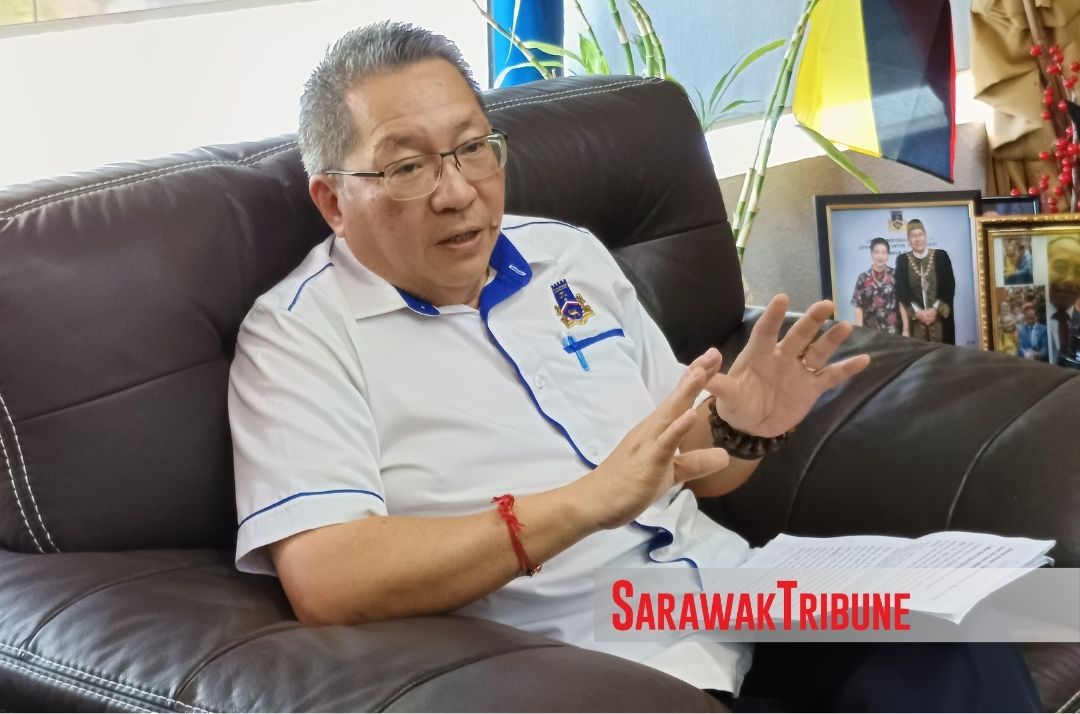
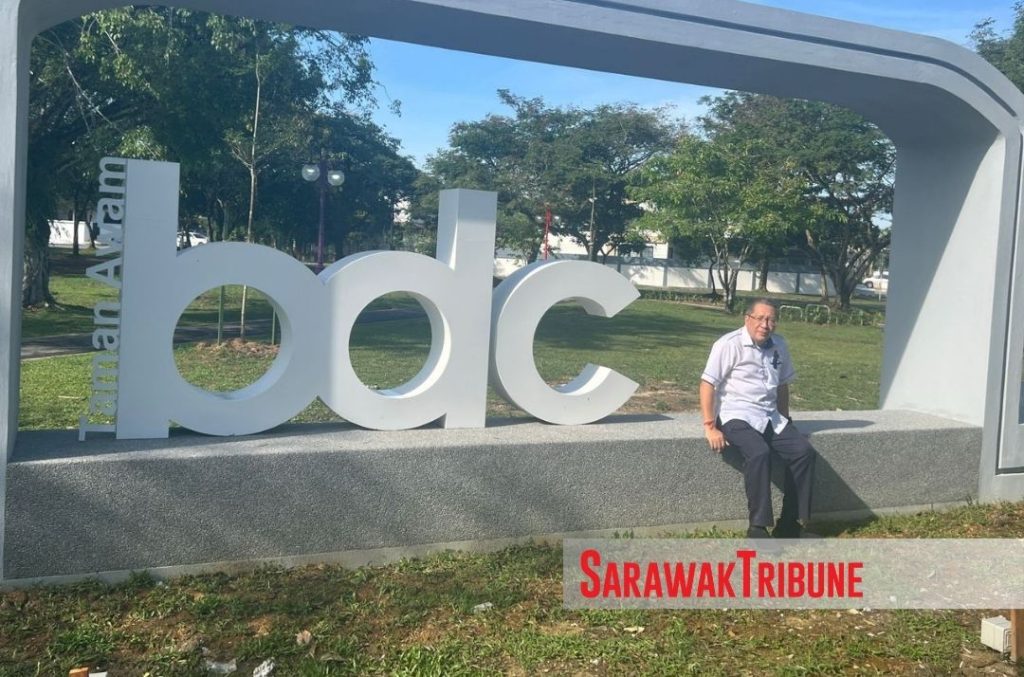
LONG before most of Kuching awakens, Datuk Wee Hong Seng is already starting his day. Rising at five in the morning, he begins work at six, a routine he has kept without a single day off since being elected Mayor of Kuching South City Council (MBKS) in 2019. His tireless schedule reflects the same energy and dedication that have marked his journey from a young boy growing up on India Street to leading the city today.
Before entering public service, Wee ran Fabriko on India Street and later spent 12 meaningful years in the tourism sector with the Sarawak Tourist Association, where he also served as the first founding president of the Federation. Those early experiences gave him a front-row view of the city’s challenges and opportunities, shaping a grounded and empathetic approach that continues to guide every decision he makes today.
For him, leadership isn’t about titles or power. It’s about showing up day in and day out and doing what’s needed to serve the people. In an exclusive interview with Sarawak Tribune, Wee shared his insights on creating a city that is inclusive, resilient and connected to its heritage, offering a glimpse into the dedication and vision behind his role as mayor.
What does leadership mean to you personally?
When I’m entrusted with a role, I give my best. I never lobby for positions. If someone believes I can serve, I’ll work tirelessly not to let them down. When I retire, I want no regrets because I have done my best to serve. That’s why I always say the most difficult thing to live up to is the phrase we often say, an honour to serve. If everyone could truly take it to heart, it would become a mark of genuine integrity for those who serve.
What drives your approach as Mayor of MBKS?
It’s about service, not politics. My focus is on what the city needs and how to deliver it. In public service, you serve the people, not voters. You have to be fair in everything you do as an elected representative. You cannot say, “I have this funding, so I’ll only use it where it benefits my votes.” What about everyone else? Is that fair to them? When we say no one is left behind, it truly means everyone. When someone is sent to the emergency room, the doctor does not ask which political party they belong to, they save lives. That is how politicians should serve, with heart and sincerity. People today are not easily deceived; they can see your intentions and uncover the truth. Leadership, to me, is about serving with honesty, fairness and compassion. It is about earning people’s confidence, not buying it.
How do you stay connected with the community?
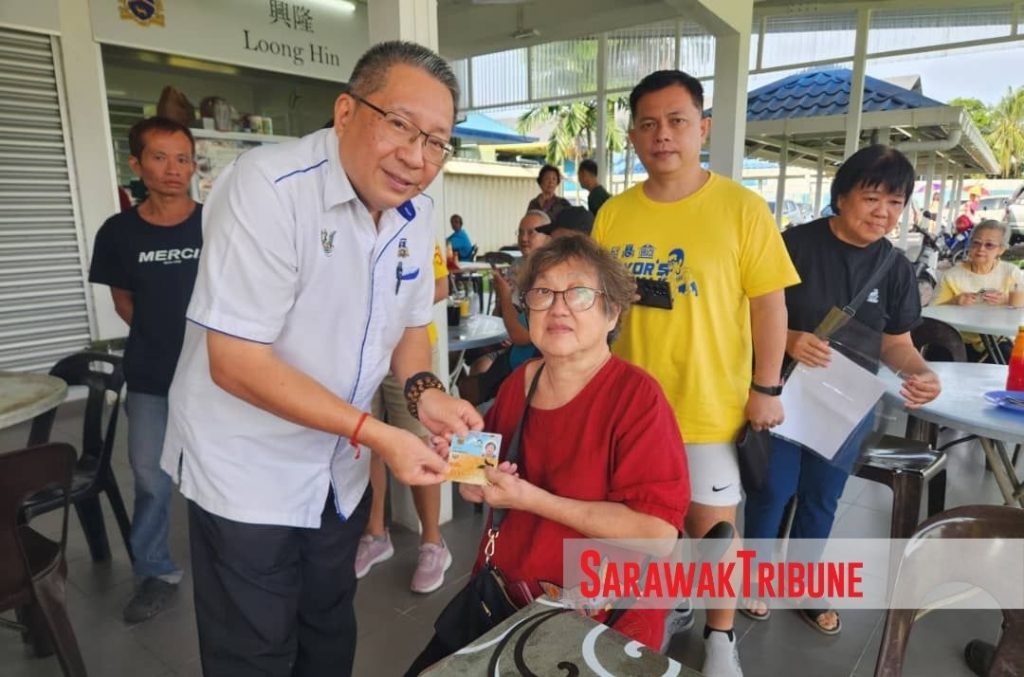
I make it a point to stay connected through site visits, public events, and my weekly Live Facebook session every Saturday at 1.30 pm, where residents can engage with me directly. It is my way of ensuring that MBKS stays close to the community and continues to build a caring, creative, and connected city for everyone. When people first join the group, they are often hesitant to speak up because everyone is new. Over time, they begin sharing their frustrations and concerns, and we have built a strong sense of friendship. We exchange ideas and learn from one another. Of course, there can be political interference or challenges, but we handle them as they arise. On my Facebook, I never block anyone. People post criticism or express frustrations because they trust that I can help. Listening to these concerns is important as it helps us understand how others feel and which issues matter most. Even though the council does not always have the authority to make every decision, it is our responsibility to respond and assist wherever possible. That is why I often say the council is like a maintenance team. Our role is to keep things running and address the needs of the community as best as we can.
Kuching South is now recognised under UNICEF’s Child-Friendly and WHO’s Age-Friendly programmes. What does that mean for the city?
Sarawak is expected to become an ageing society by 2028, so preparation is essential. That is why we are upgrading our way of life and working closely with Swinburne University to gather feedback from the community to understand their real needs. The survey guides us in determining what types of infrastructure and programmes should be developed. It is about readiness not only for the government but also for the private sector. We need to create an environment that caters to everyone, from children to the elderly, ensuring they can move around safely and comfortably within their neighbourhoods. For instance, we have open spaces for senior citizens and small play areas for children. We engage retired teachers who voluntarily teach kids, and we have initiatives where volunteers help older residents learn how to use AI and computers. These efforts are part of improving livelihoods and helping people adapt to change. Child-friendly and age-friendly programmes go hand in hand. Being part of these networks also means global recognition. It puts Kuching and Sarawak on the world map, showing that we are part of an international community that values inclusivity, accessibility, and progress.
You often highlight parks and open spaces. How do they fit into your urban planning vision?
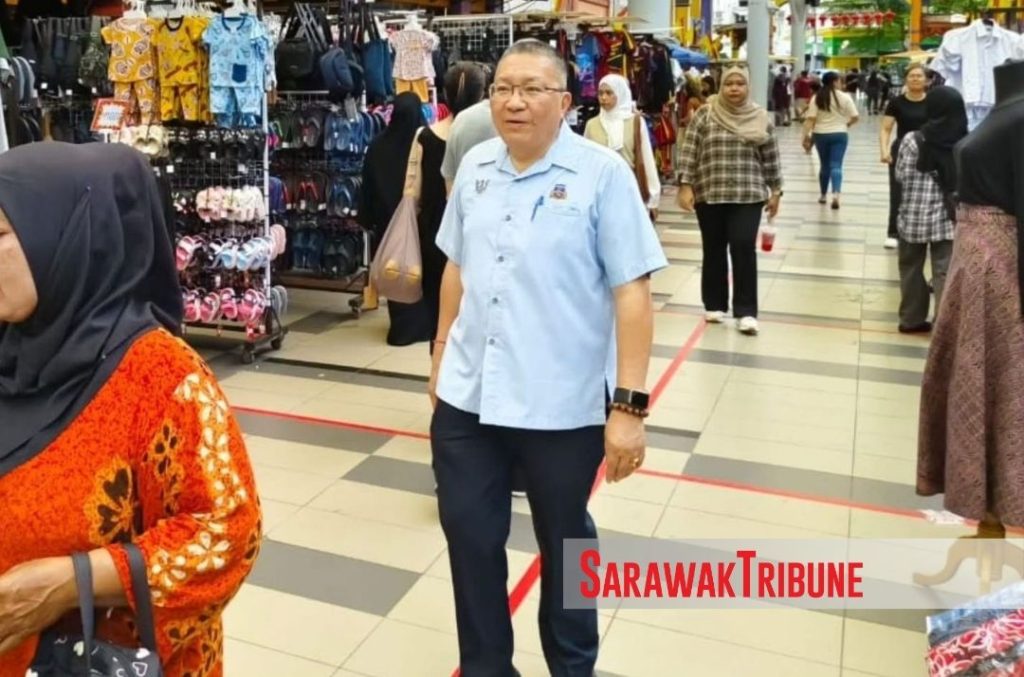
Every disaster teaches a lesson. You do not need a nuclear war; one COVID-19 outbreak was enough to shut down the world. In moments like that, one thing becomes clear: what matters most is space. Kuching has many parks, and we have been upgrading them one by one. People often ask, “Why parks?” Most parks are located in residential areas. While parents are at work, grandparents and grandchildren are often at home. These open spaces give both the young and the elderly room to move, play, and stay healthy. Where space allows, we create small learning areas for children. Retired teachers voluntarily guide the kids, and we offer programmes for older residents to learn skills like using AI and computers. Parks bring people together, connect generations, promote health, and strengthen the sense of community.
Kuching South is part of international networks under UNESCO, UNICEF, and WHO. How do these help Sarawak?
Many people do not realise that being part of an international network means joining a global family. Kuching is recognised worldwide, child-friendly under UNICEF, age-friendly under the World Health Organization, and Creative City of Gastronomy under UNESCO. These are prestigious international brands. Being in such a network places Kuching and Sarawak on the map alongside hundreds of cities and countries. It provides the city with an international platform and shows that we are no longer isolated. I believe the future of Sarawak is very bright with the leadership we have. Our Premier, Datuk Patinggi Tan Sri Abang Johari Tun Openg, moves at an incredible pace. Even when unwell, he still attends functions. Seeing our leader work so hard motivates us all. We cannot afford to relax and must do our part to keep up.
Heritage also seems close to your heart.
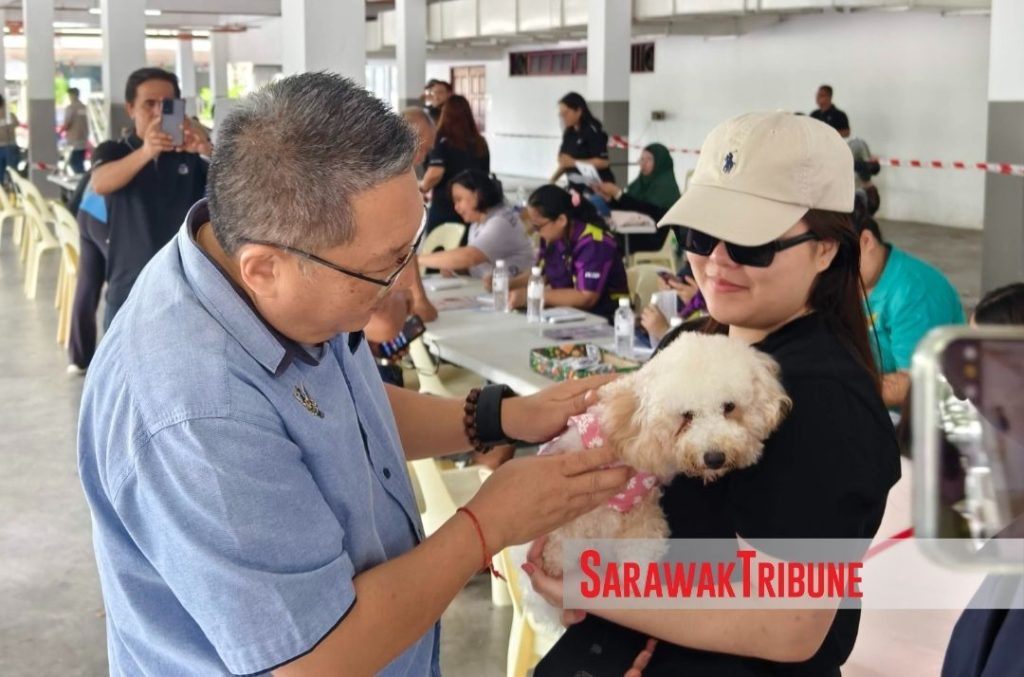
Yes, heritage tells our story. When people come to Kuching, they can see our history right on the walls. Our murals, like those in India Street and Carpenter Street, record our history and show who we are and where we come from. They are not just art, but living archives that connect people to our past. Each mural tells a story about our community, our way of life, and our values. Our culture, traditions, and daily life are all part of a larger story, the story of Sarawak. Preserving these elements is important because they are what make Kuching truly special.
You’ve mentioned the importance of teamwork among agencies. How do you foster that?
I always emphasise one thing — all agencies, including DID (Department of Irrigation and Drainage), Bomba, and others, we are as a team. We serve the rakyat. Communication is essential. Sometimes other councillors face difficulties. They call me up and ask, “What’s your opinion?” We share our opinions, and if a case isn’t sorted out yet, we help resolve it. Councillors must help one another because, at the end of the day, we all serve the same people.
How do you handle challenges in funding?
Firstly, you have to know what you need and then be able to convince others. Second, funds must be used wisely and priorities clearly set. Transparent tenders are important. Sometimes contractors quote below budget, resulting in savings. I review the council’s finances every three months to ensure resources are used effectively. You must be prepared because change does not happen overnight. Some problems, such as flash floods, cannot be resolved immediately. Temporary measures may help, but long-term solutions require millions or even billions. That is why teamwork with DID and other agencies is essential because funding alone is not enough.
You’ve been outspoken about serving sincerely. Why is that important to you?
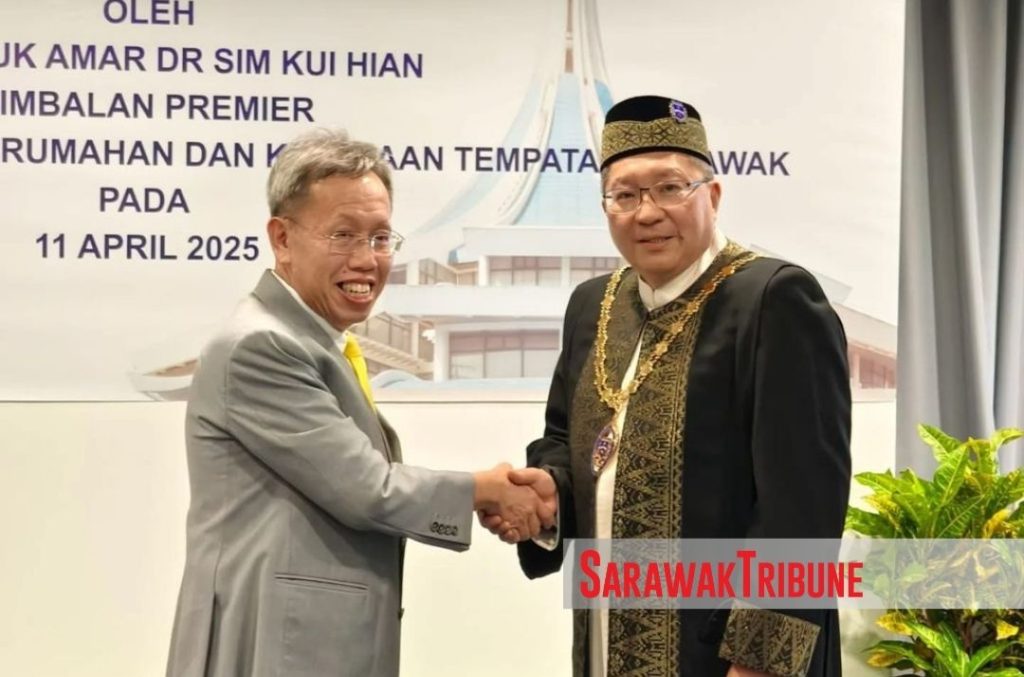
People can see sincerity. You serve with heart, and the public notices. Citizens today are not easily fooled and cannot be deceived by a show. They can see your true intentions. That is why I focus on clarifying situations rather than accusing others. There is no point in wasting energy on that. Use your energy to serve while you still can because you are entrusted to do so. Failing to serve those who trusted you means letting them down. When I leave office, I will have no regrets because I have done my best to serve.
What’s your message to those who look up to you as a leader?
Always serve with the heart. When people entrust us with our duties, we should never let them down. We must give our best until the day we retire. Then, we can have no regrets and say, “I’ve done my part.” I don’t want to waste time, nor let those who entrusted me think I cannot do the work. I don’t lobby for positions; once a duty is placed upon me, I commit fully. Every responsibility should be taken as an honour. Do your duty sincerely and with full dedication. At the end of the day, the true reward is knowing you’ve done your best for your community.