KUCHING: The integration of artificial intelligence (AI) into Sarawak’s healthcare system could help enhance cost efficiency and address the shortage of medical professionals in the state.
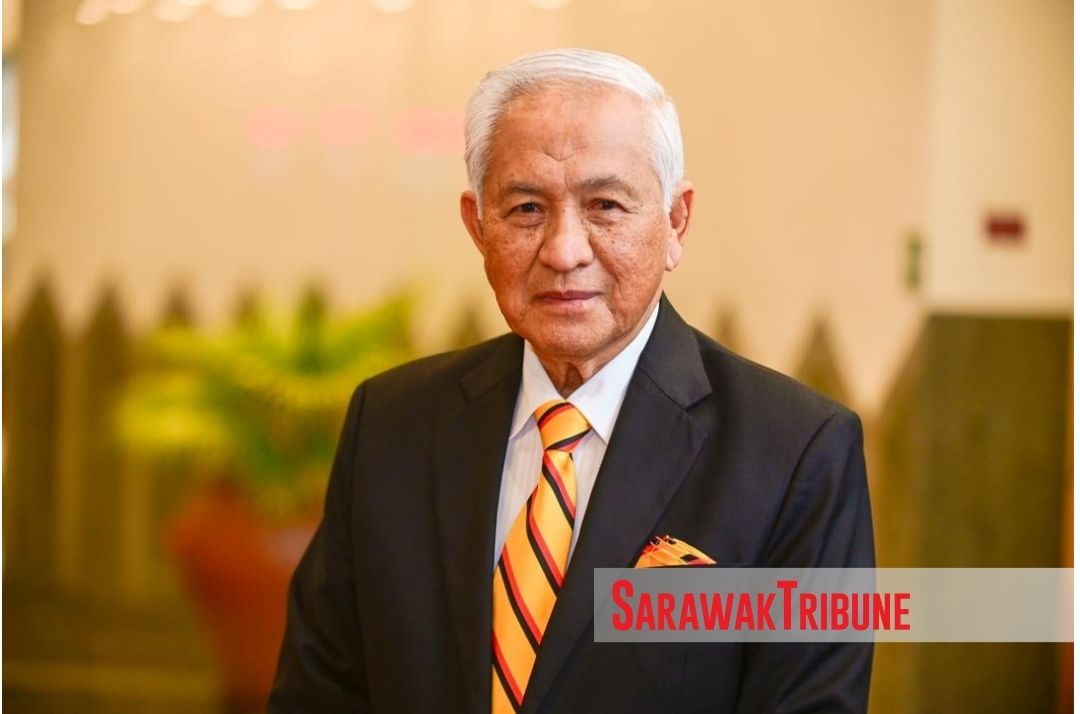
Deputy Premier Datuk Amar Dr Sim Kui Hian said AI technology has the potential to enhance efficiency in healthcare delivery, allowing fewer personnel to handle a greater workload.
“As Sarawak is facing these issues, AI can show that a job done by three people can be managed by one person. That will accelerate the process of diagnosis and other areas of healthcare.
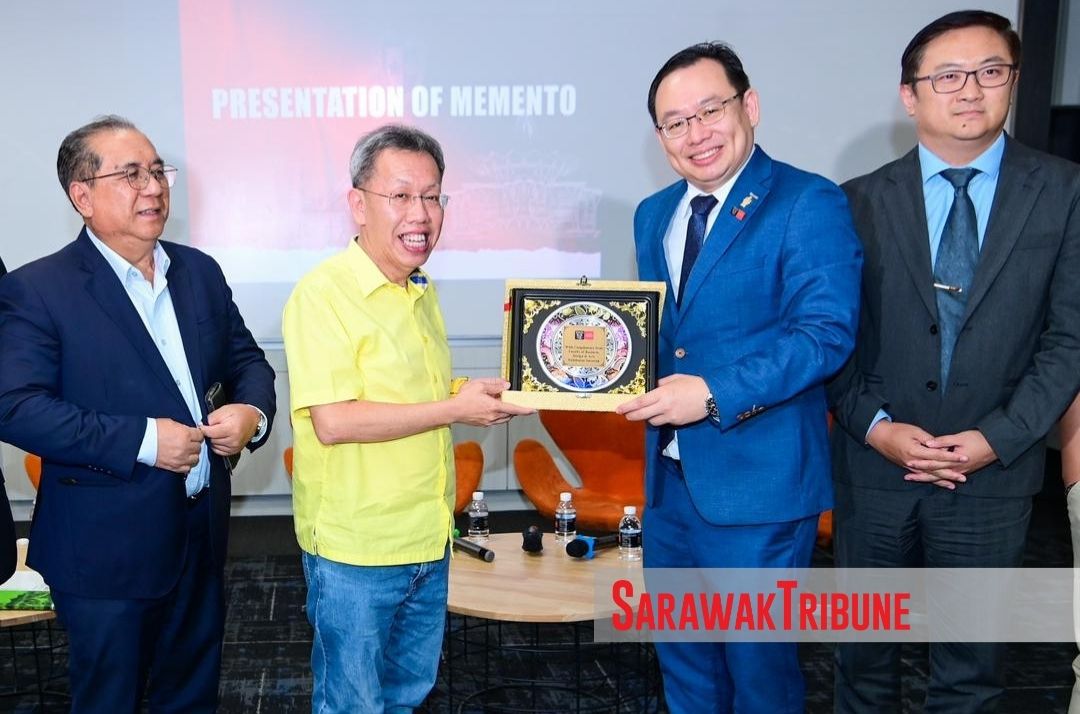
“Instead of requiring 2,500 doctors, we may just need 1,500. And instead of spending money doing things the traditional way, we invest in AI,” he told reporters after participating in the SwinTalk session themed ‘AI-Driven Futures: Reimagining Budget 2026 for a Smarter Nation’ held at Swinburne Sarawak Campus today.
Dr Sim, who is also the Minister for Public Health, Housing and Local Government, said that Sarawak is already taking steps to explore the use of AI in medical consultations.
“At the end of this month, I will visit Miri to see the Fudan Institute of Integrative Medicine, which is almost ready after renovation. They have what is called ‘Doctor AI’ consultation – the first of its kind outside China,” he said.
He said the initiative is a private undertaking by Fudan University and expressed appreciation to the Chinese government for sharing the technology.
“We are very grateful to China for sharing this technology with us in Miri. I want to personally see it for myself because, as a doctor, I want to evaluate how effective and accurate this ‘Doctor AI’ system really is,” Dr Sim said.
He added that while AI has promising potential, its real-world performance must still be assessed carefully.
He also highlighted Sarawak’s ongoing discussions with the Ministry of Health (MOH) on health autonomy, particularly on delegating authority to manage hospitals, clinics and human resources in the state.
“We had a very good meeting (with the director-general of MOH), and he understands what we are trying to do. What we are asking from the Ministry of Health Malaysia is the delegation of authority – to manage hospitals, health clinics and human resources in Sarawak,” he said.
He noted that while discussions on Sarawak’s health autonomy have been ongoing, frequent leadership changes at the federal level have caused delays.
“Every time there’s a new minister or director-general, we have to start all over again. I’ve seen four health ministers, three director-generals and several chief secretaries (KSU) change – and each time, we must re-explain everything,” he said.
According to Dr Sim, the shortage of doctors and nurses remains one of the state’s most pressing healthcare concerns.
“We need to figure out how to employ more doctors and nurses. Even though 650 medical officers were recently sent from Kuala Lumpur, only 66 per cent reported for duty in Sarawak.
“Government hospitals alone have more than 1,000 vacancies. Out of the 650 posted here, only about two-thirds turned up, which means we still have at least 500 vacancies.
“Without enough doctors and nurses, patients will continue to face long waiting times, even if new hospitals are built,” he said.
Dr Sim added that in future, AI-assisted technology such as ‘Doctor AI’ could help complement medical manpower and strengthen healthcare services in Sarawak.