THE gold rush may have long faded from the hills of Bau, but a new treasure is being unearthed – not from the earth, but from the rich heritage, culture, and natural beauty that have long defined this historic district.
Plans are underway for the creation of the Bau Tourism and Cultural Park, a heritage-inspired development that aims to connect Bau’s most iconic natural and historical landmarks – from Gua Hantu to the remnants of its gold mining facilities, the Old District Officer’s (DO) Bungalow, Bikajang Lake and Bau water reservoir.
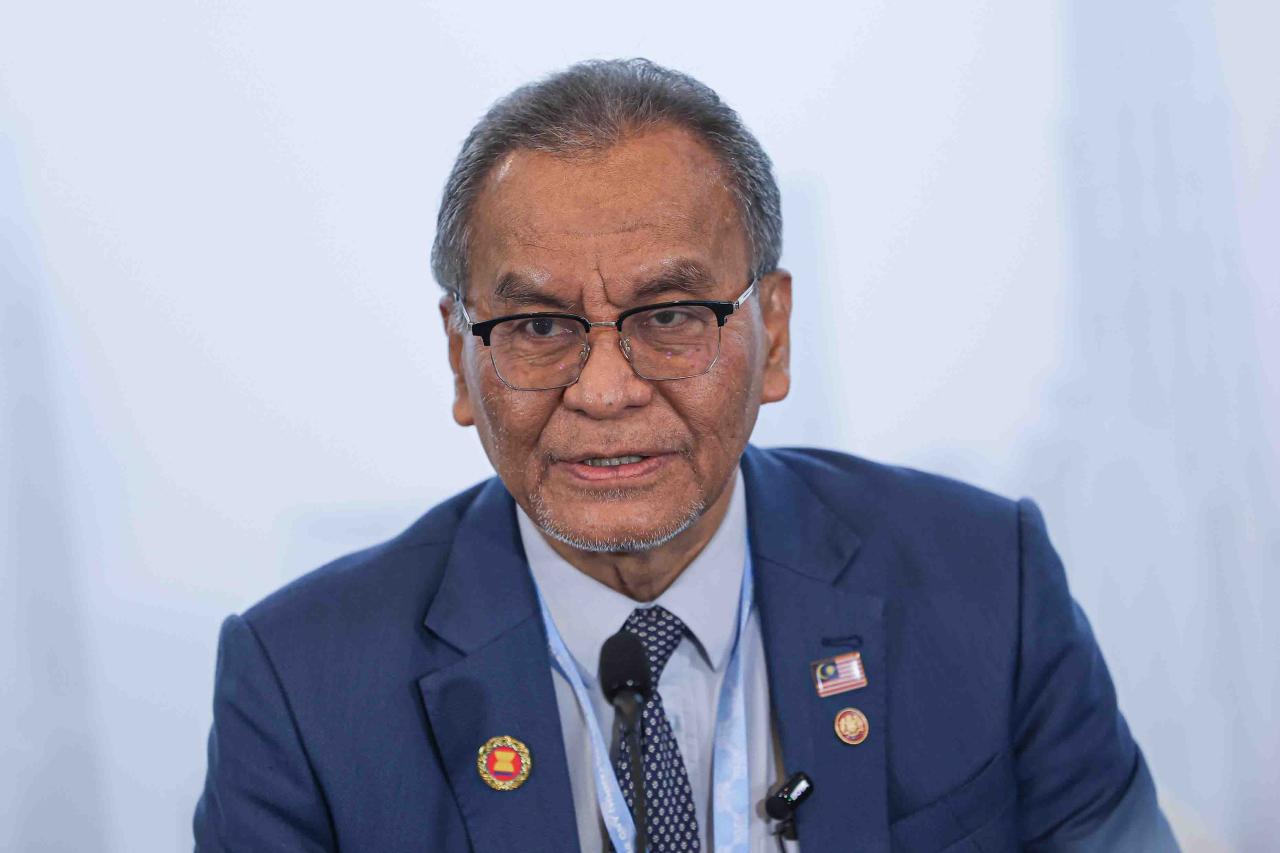
This ambitious proposal, initiated by Deputy Minister of Transport and Tasik Biru state assemblyman, Datuk Henry Harry Jinep, and supported by the state government, Bau District Council, the local community leaders and the private sector, hopes to make Bau the cultural and eco-tourism heart of southwest Sarawak.
For decades, Bau has been known for its scenic limestone formations, mysterious caves, and the shimmering waters of Tasik Biru (Blue Lake).
But beneath the natural beauty lies a rich story – of gold rushes, colonial administration, and the enduring heritage of the Chinese, Bidayuh and Malay people.
The proposed park seeks to weave these narratives into a unified visitor experience. The development will link several heritage sites within a dedicated tourism corridor designed to celebrate Bau’s past while offering modern facilities for visitors.
The park will integrate educational, cultural, recreational and eco-tourism elements, so as to enable visitors to explore historical sites, learn about gold-mining history, experience local culture, and enjoy outdoor recreation – all within one connected park system.
At the heart of the proposal is Gua Hantu or Ghost Cave – a site shrouded in mystery and historical significance. Once part of the Bau gold mining network in the 19th century, Gua Hantu witnessed both the prosperity and tragedy of the town’s early years.
No story about Bau is complete without gold. The town’s very foundation lies in its mining past, dating back to the mid-1800s when Chinese miners first discovered gold in the area.
Several abandoned gold mining sites – including trails and remnants of the ore processing structures and administration office – will be preserved as part of the Gold Heritage Trail.
The proposed interpretive signboards and guided heritage walks will allow visitors to understand how gold shaped the community’s economy, migration patterns, and even its legends.
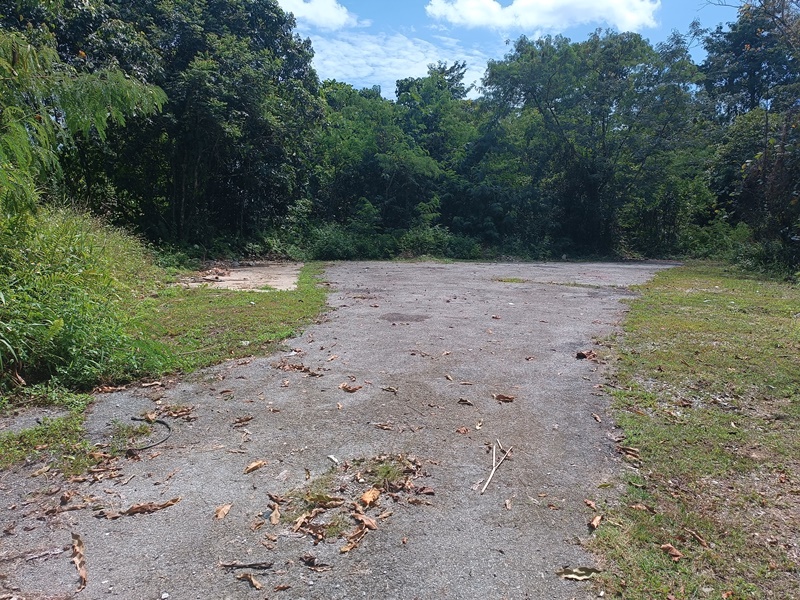
Another focal point of the park will be the old DO Bungalow, perched on a small hill overlooking Bau town.
Under the proposed plan, the bungalow will be reconstructed, yet maintain the spot and same design.
“Our idea is hopefully it becomes a high-level rest house and a club house, plus maybe cafeteria for the people to rest and dine,” said Henry.
The Bikajang Lake and the nearby former gold mining pit will be enhanced with some park elements, including recreational places for camping, jogging, walking, team building and cycling.
Both are expected to offer visitors tranquil natural spaces for relaxation and recreation. As both lakes are currently surrounded by forested hills, it is being re-imagined as an eco-recreational zone featuring hiking and mountain climbing.
A defining feature of the project is its community-driven approach. Local villages around Bau are expected to play an active role in cultural programming – from traditional handicraft exhibitions to culinary experiences.
Microbusiness opportunities are expected to arise in the form of local food stalls, eco-guiding services and souvenir production.
Guided by Jinep’s personal assistant, Jack Oduim, I had the opportunity to visit all the key sites, including the first district office site, an airstrip for the British aircraft to land during the colonial ruler, Gua Hantu, a disused water reservoir, and the dilapidated gold mine structures.
When met by Sarawak Tribune in his service centre office in Bau, Jinep said the idea of creating the park came together when they initiated the Bau Goldmine Museum and Park.
“We cannot just have the museum without other complements because mining was done in a big area; not only in one location.
“The museum itself is more toward educative, interactive and also academic, where the mining processes, the historical fact and the archive or other things will be exhibited.
“But the park itself, it is created to allow the people to come and visit and walk around the area and see for themselves the previous structures of mining activities, or whichever we can save. We put it there as memory, otherwise the history is gone, the heritage is gone,” he said.
Jinep said he had discussed the proposal with Sarawak Premier, Datuk Patinggi Tan Sri Abang Johari Tun Openg, who has in principle agreed to it.
He believed the park would create a good living environment for Bau.
“If we don’t plan now, the moment we get too congested, it will become messy. Since we have time, we have come up with the Bau Blueprint 2016-2030.
“Upon recognising our blueprint, the state government initiated the Bau Master Plan. The Bau Blueprint is under us while the Bau Master Plan is by the state planning unit.
“Whatever we want to do in Bau, we have to look back at the master plan. We are guided by the master plan, so we cannot go wrong,” he said.
Jinep noted that the park is just one of the components in the Bau Master Plan.
He said he had already put RM7.5 million from the Greater Kuching Coordinated Development Agency (GKCDA) allocation to start with the initial works like fencing, boundary and access road.
“We have also applied for funding from the federal Tourism Ministry of about RM12.5 million. Hopefully it’s approved. If it is approved then we will continue to enhance further.
“For the start, we are going to do the demarcation of boundaries, fencing and the road access improvement so that people can still come to visit the area and use it for jogging.
“What we are going to do is the initial works – signage, path, proper drainage, clear the area so that it looks beautiful,” he said, adding that the whole idea is to make the park the green lung in Bau.
Jinep said they also intended to put up Chinese, Bidayuh and Malay houses of heritage in the park.
For the Hakka, he said they planned to put up the tolou, the round building, while for the Bidayuh, they plan to build the baruk and the longhouse, and for the Malay, the traditional Malay house.
“The tolou later on can also become accommodation. We have visited a few tolou in China to study and follow the concept. We will build the tolou because in Bau, a majority of the Chinese are Hakka.
Thus, from the mysterious depths of Gua Hantu to the quiet grace of Bikajang Lake, from the colonial charm of the old DO Bungalow to the glimmer of forgotten gold mines – Bau’s stories are waiting to be told again.
The proposed park is more than a development project; it is a promise – to remember the past, to celebrate culture, and to inspire a sustainable future for generations to come.
As Bau prepares for this new chapter, one thing is clear: the spirit of gold still lives on – this time not in the soil, but in the heart of its people.