TRUTH is elusive. It requires constant vigilance to pursue, and it demands integrity to uphold. This thought resonates deeply in our current age, where disinformation can spread like wildfire through social media platforms and other communication channels.
Ethical leadership is not just a responsibility; it is an essential survival tactic in a world increasingly awash with misinformation. Leaders today face unprecedented challenges as they navigate the murky waters of deception, manipulation and spin, all the while maintaining their integrity and the trust of their stakeholders.
In this context, we must examine the urgency of ethical leadership amidst global crises exacerbated by disinformation. Issues such as climate change, political instability and public health crises have been magnified by misinformation, leading to chaotic responses and misguided policies.
For example, the misinformation surrounding climate change has delayed necessary actions and polarised communities into discord. Similarly, the spread of false narratives about vaccination programmes against infectious diseases – such as the surge in anti-vaccine sentiments – has threatened the public health frameworks upon which modern societies depend.
These examples underline the ethical responsibility of leaders to challenge misinformation and uphold truth. In economics, the repercussions of disinformation can be equally profound. For instance, misinformation about inflation rates can lead to ill-informed consumer behaviour, which in turn distorts market dynamics.
Distrust in institutions due to misleading narratives can erode the very foundations of economic stability and growth. Additionally, during financial crises, false information can trigger panic, exacerbating situations that could have been managed with more accurate communication.
To confront these challenges, we propose a new framework for ethical leadership: ETHOS (Empower • Teach • Honour • Organise • Sustain). This framework shifts the focus from merely addressing disinformation as a public relations issue to treating it as an organisational risk requiring comprehensive strategies, ethical leadership, and partnerships.
Components of the ETHOS Framework
Empower – Establish Rigorous Information Vetting
Leaders should implement workflows for rapid source verification. This involves creating a robust network of fact-checking partnerships and utilising human expertise alongside technical tools, such as metadata checks and authenticated channels. The operative task here is to designate verification leads who can pause messaging when discrepancies arise, establishing a culture of transparency and accuracy.
Teach – Build Critical Media Literacy and Verification Skills
Education is a cornerstone of the ETHOS framework. Continuous training should be provided in media literacy, verification skills and digital literacy across all levels of the organisation. Leaders must run campaigns to simulate disinformation attacks and practise responsiveness. This proactive stance arms employees with the tools they need to discern fact from fiction in real time.
Honour – Uphold Ethical and Timely Communication
Ethical leadership demands swift corrections to misinformation. This means creating transparent protocols that outline who should speak on behalf of the organisation, the method of communication and when legal escalation is warranted. Apologising and correcting errors should be viewed as acts of strength rather than weakness; they rebuild trust and facilitate healing.
Organise – Promote Proactive Narrative Building
Leaders need to proactively shape narratives grounded in facts and values. This includes “pre-bunking” misinformation by preparing communities in advance with accurate, compelling information. Utilising diverse channels – employing trusted spokespeople and engaging community leaders – further enhances the impact of these narratives, making them more relatable to their intended audience.
Sustain – Institutionalise Governance Around Information Integrity
Integrating an information integrity function into the governance structure of an organisation is crucial for long-term sustainability. Responsibilities should be clearly delineated amongst board members and ethics committees to oversee communication practices. Establishing partnerships with platforms and civil society organisations enhances the credibility and reach of leadership efforts, ensuring that communication efforts have a broad foundation of support.
Core Values Underpinning ETHOS
At its heart, the ETHOS framework emphasises cross-cutting ethical principles: transparency, accountability, respect for human rights and a commitment to equity. Leaders must ensure that marginalised voices are included in the conversation to foster trust across all segments of society. It is equally important that leaders approach disinformation with evidence-based humility – acknowledging their limitations while remaining committed to truth.
This journey towards ethical leadership is not confined to organisational walls; it reverberates through communities and influences future generations. The integrity instilled by ethical leadership today can determine the health of societal structures tomorrow. As we empower a new generation of leaders, we must model how to confront misinformation with grace and responsibility, thus planting seeds of truth that can blossom in all walks of life.
A Vision for Future Generations
As we reflect on the role of leaders in confronting disinformation, we must also hold a vision for what we wish to preserve – the fundamental values that underpin our existence. Honesty, integrity and equitable communication are not just ideals; they are necessities for creating societies that flourish on trust and cooperation.
In summation, dear leaders, as we lead in a world inundated with misinformation, we ought to have courage, commitment, and a steadfast belief in the power of truth. May the ETHOS framework offer us a structured path for our organisations or institutions to navigate this complex terrain. May ETHOS enable and empower you to act not merely as leaders but as stewards of integrity and trust.
The time for ethical leadership is NOW! Let us rise to the occasion and preserve the values that define us.
>> DISCLAIMER
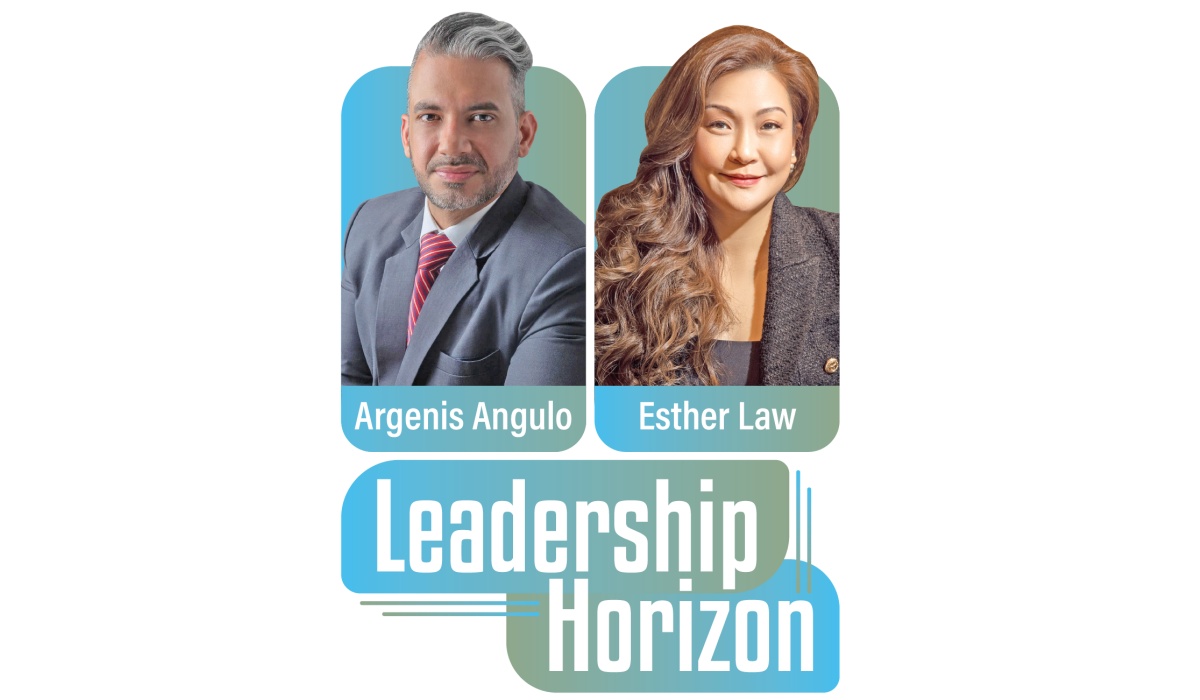
The views expressed here are those of the writers and do not necessarily represent the views of Sarawak Tribune. The writers can be reached at argenisangulo@gmail.com and lawleepoh@gmail.com.