BY NATASHA JEE & NEVILLE TIMOTHY SANDERS
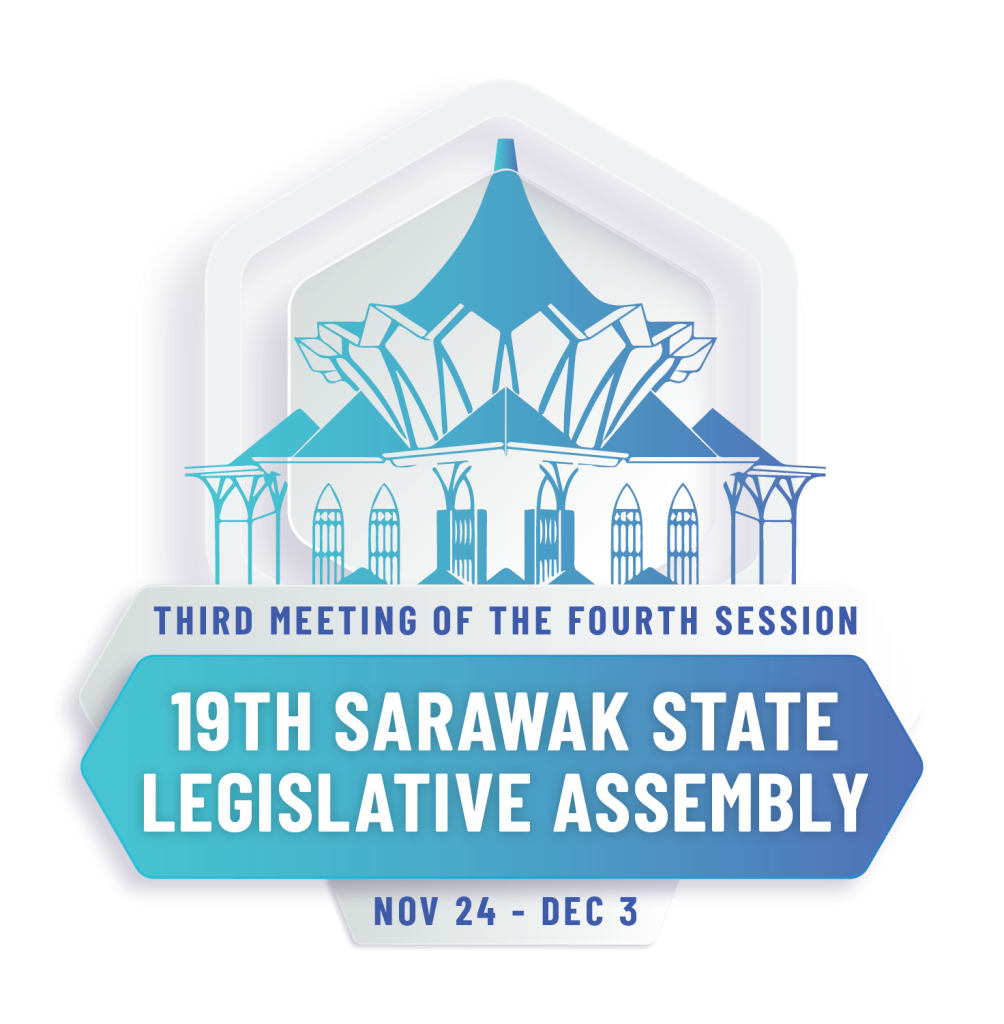
THE “Waste-to-Health” concept is a “game changer” for Sarawak, transforming discarded materials into valuable resources while delivering environmental, economic, and social benefits, said Serembu assemblyman Datuk Miro Simuh.
When debating in support of the Sustainable Resources and Waste Management Bill, 2025, he said that to implement effective waste-to-wealth strategies, governments, businesses, and individuals must work together to develop sustainable waste management policies and regulate them.
“The government should encourage private sectors to invest vastly in recycling infrastructure technology by giving them special support in many ways, such as tax tariffs, land area, and other infrastructure that may be needed by investors,” he said at the DUN sitting today.
He cited the palm oil industry as a prime example of waste-to-wealth in action.
“The palm oil industry is transforming waste into wealth through innovative approaches, turning what was once considered waste into valuable resources,” he said.
He explained that oil palm by-products are being repurposed into biofuel and biomass, animal feed, organic fertilisers, biogas, activated carbon, and biochar.
“Malaysia, as recorded in 2020, produces around 75 million tonnes of dry biomass annually. If valorised at RM200 to RM1,000 per tonne, potential revenue could reach RM10 to RM15 billion a year,” he said, noting that the figures could be even higher in reality.
Miro added that the concept goes beyond the palm oil sector and could be applied to other waste streams, potentially creating thousands of jobs and contributing significantly to Sarawak’s economy.
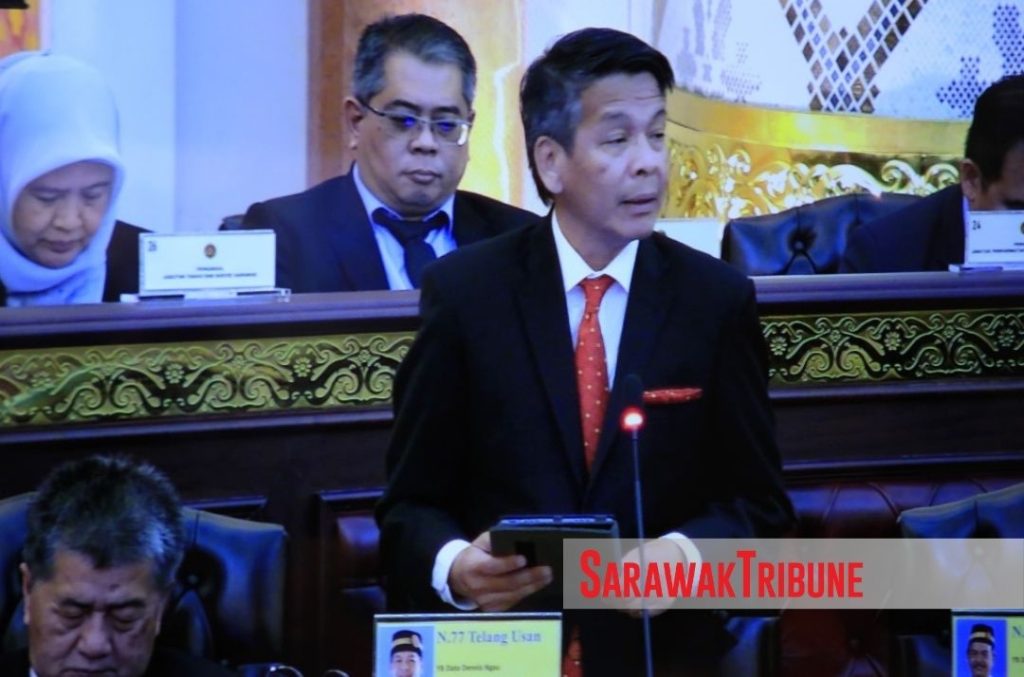
On a related note, Telang Usan assemblyman Datuk Dennis Ngau highlighted the enormous untapped opportunities in monetising palm oil waste through a dedicated Waste Management Authority.
He pointed out the many commercially valuable by-products generated by the industry, including:
a) Empty fruit bunches (EFB),
b) Palm oil mill effluent (POME),
c) Palm kernel shells (PKS),
d) Mesocarp fibres, fronds and trunks, biogas from POME,
e) Biomass energy from EFB, PKS, and fibres,
f) Bio-fertiliser and compost,
g) Biochar from EFB and PKS,
h) Bioplastics and biochemicals, and fibre products from EFB.
“All of these materials have commercial value when processed properly.”
“These developments are not only economically attractive, they also support our broader environmental objectives,” he said.
He further stressed that harnessing palm biomass has the potential to transform rural communities — longhouses, villages, and small towns — which form the backbone of Sarawak’s economy.
“The opportunities are not confined to large industrial players; they extend directly to people living and working in interior and plantation regions,” he said.
Ngau added that a coordinated state authority could unlock this value at scale.
“By passing this Bill, we send a clear message: Sarawak is ready to transition to a circular economy, committed to reducing carbon emissions, and serious about safeguarding the natural environment that sustains us all,” he said.