As modernisation accelerates, Dayak heritage faces a crossroads. A recent seminar gathered architects and cultural guardians to examine how Iban motifs can survive, evolve, and remain meaningful in today’s design landscape.
Keeping Iban Motifs Alive
IN a recent seminar titled ‘Beyond Preservation: Adapting Dayak Traditional Motifs and Designs for the Modern Market’, the discussion went beyond commercialised heritage. Rather, it centred on cultural awakening and how we identify it in the 21st century as modernisation builds upon traditions and heritage.
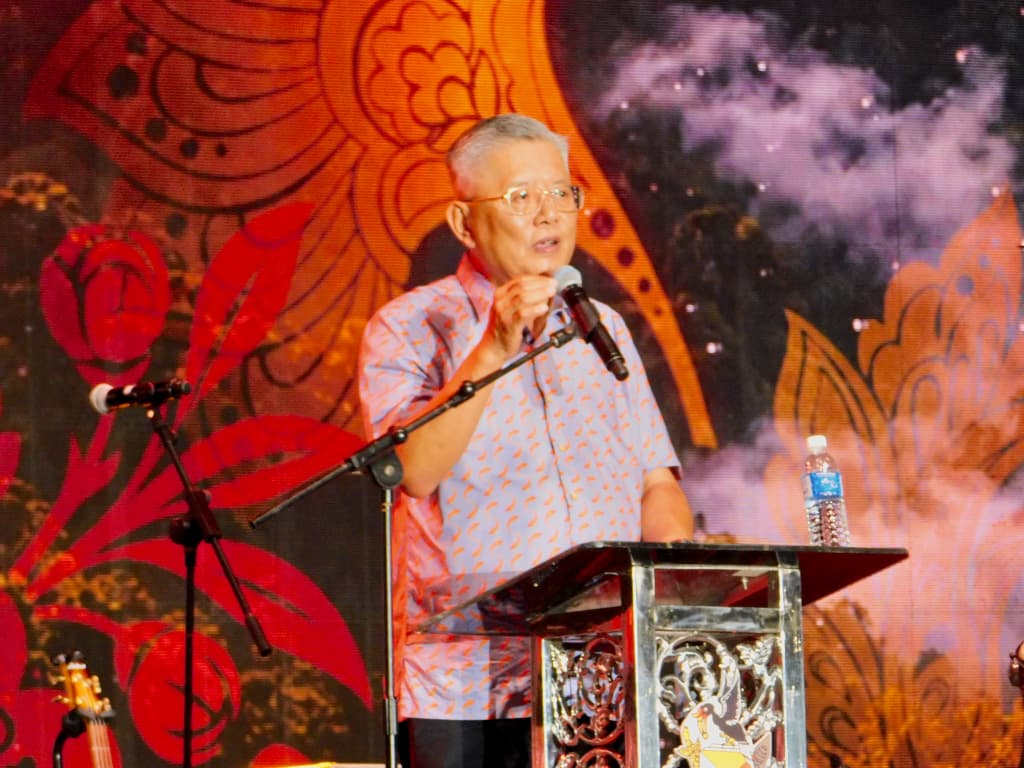
Discussing the ethnic Iban tradition and culture in contemporary architecture, architect David Hollis Tini, with over 35 years of experience in the field, shared the rich material culture of the Ibans, which faces erosion from modernisation, relegating it to static display.
Throughout his talk, he revealed that the true richness of Iban aesthetics is found in tangible objects, such as the symbolically potent pua kumbu textiles and baskets. However, challenges arise when these elements are translated superficially, warning against the superficial appropriation of sacred patterns.
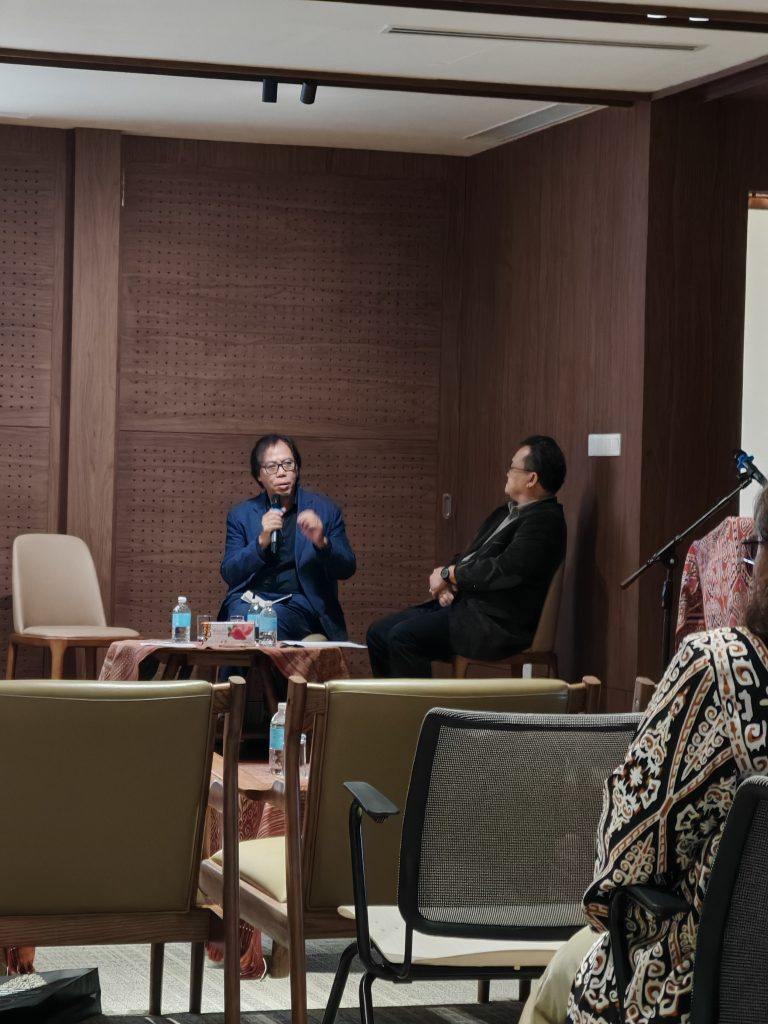
“Architecture is a reflection and manifestation of civilisation. Its knowledge of innovation and wealth develops over a period of time and often creates an identity for the people and the space. It reflects who we are, how we live, and what we value,” David said.
As Dayaks form the majority in Sarawak and on Borneo island, their rich culture and heritage have greatly influenced the development and evolution of the region. But all this is at risk, as traditions weaved into the modern context risk a “total loss of identity”, he opined.
While many traditional rituals and symbolic practices are no longer observed, David revealed that certain traditions remain well preserved. These include oral traditions, songs, dance, music, and handicrafts.
Delving deeper, he noted that these material cultures often become mere displays, epitomes of tradition no longer in practice, risking their reduction to purely historical artifacts.
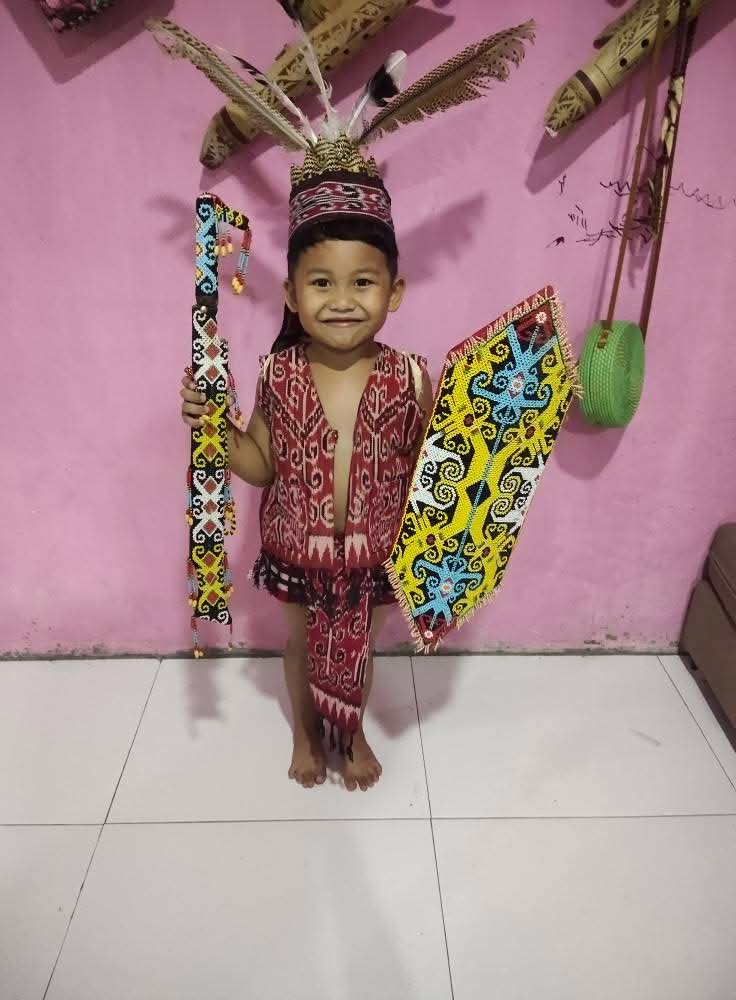
“There are tendencies that the Iban community is now reviving this traditional culture, especially involving costumes and dances, which are often displayed during special functions like Gawai, and sometimes at larger state-level celebrations,” he said.
Beyond that renaissance, David, as an architect, frequently integrates Iban heritage into his architectural designs. By undertaking an in-depth exploration of the attributes of Iban cultural artifacts – from intricately woven baskets and mats to the traditional longhouse – he employs these elements to forge a distinct identity, regarding buildings as his artistic canvas.
In his practice, he ensures that while traditional elements are used, the meanings beyond aesthetic value are respected. According to him, certain patterns and motifs woven onto baskets and pua kumbu carry symbolic meanings connected to the spiritual world. He therefore emphasised that architects aiming to create culture in contemporary architecture must study these designs before incorporating them.
“While utilising cultural elements, especially in architecture, helps to preserve culture to a certain extent, portraying a specific institutional culture and human presence on public buildings can entail biased representation and is therefore discouraged by other communities,” he shared, noting one of the challenges he has faced.
Hence, proper understanding is essential before deploying exclusive ethnic motifs in a multi-ethnic society.
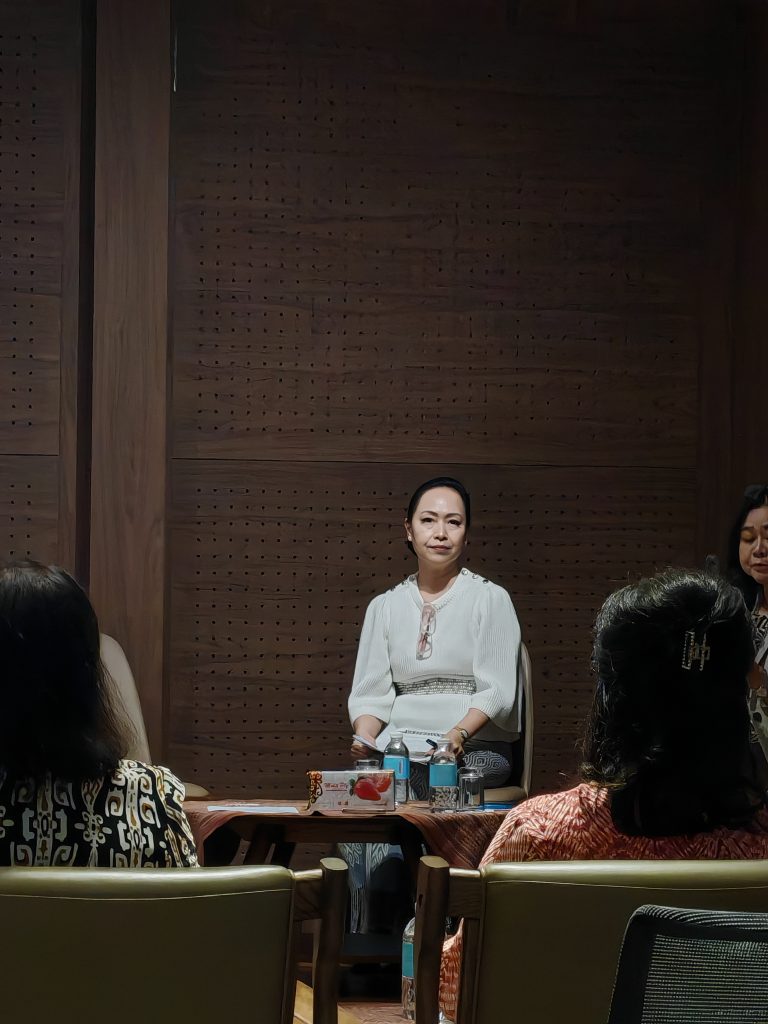
Echoing this sentiment, Melia Linggi, Textiles Director and Managing Trustee of Tun Jugah Foundation, shared in her discussion ‘Iban Textile Patterns: Stagnate, Emulate or Innovate’, an introduction to traditional motifs for contemporary use in accessories, attire, decorative interiors, and architecture.
“Let’s be realistic: the younger generation doesn’t necessarily prefer to wear traditional-style elements every day, so we seek alternative ways to translate our heritage designs for use on other materials and products,” Melia commented.
As the founder of lifestyle brand ‘Olah Idup’, Melia explained that the brand embodies the character, behaviour, and way of life of the Iban. She is also the founder of Cove 55, alongside her sister.
In honour of their mother and Iban heritage, Cove 55 incorporates tangible cultural elements into its designs. Each woven decoration, gate panel, tableware, fixture, and furnishing is a tribute to the Iban community.
To her, it is important that the traditional aspects of her culture remain deeply rooted while also stepping into the contemporary world.
“Texture is important. If we are trying to contemporise it, it has to at least feel like the original. I’m not letting go of the old, yet I’m exploring new ways to fit into the world we live in today. We respect and revere our original techniques, and we ameliorate and improve our ancestors’ archaic looms, which were once innovative for them,” she said.
Sharing a quote from a recent event she attended: “Weaving is not just a craft; it’s a spiritual language. Every thread carries identity, memory, and prayer. The loom is both a tool and a shrine of creation.”
Whether printed on textile, canvas, or woven onto modern items, every pattern used should be scrutinised for its symbolic meaning and not taken at face value.
“It’s not wrong to be inspired by a certain design, especially on the pua kumbu. However, since each carries significant meaning, it is best to consult the elders before using it,” Melia said.
As the discussion drew to a close, one truth became clear: heritage cannot survive on nostalgia alone. It needs hands willing to preserve it, minds brave enough to reinterpret it, and hearts humble enough to seek guidance from those who came before.
Between David’s architectural lens and Melia’s contemporary design journey, the Iban identity continues to evolve – not by abandoning tradition, but by allowing it to breathe anew in the world we live in today.