KUCHING: Sarawak’s need to reduce reliance on petroleum income has become increasingly urgent, with global instability posing risks to the state’s fiscal outlook in 2026.
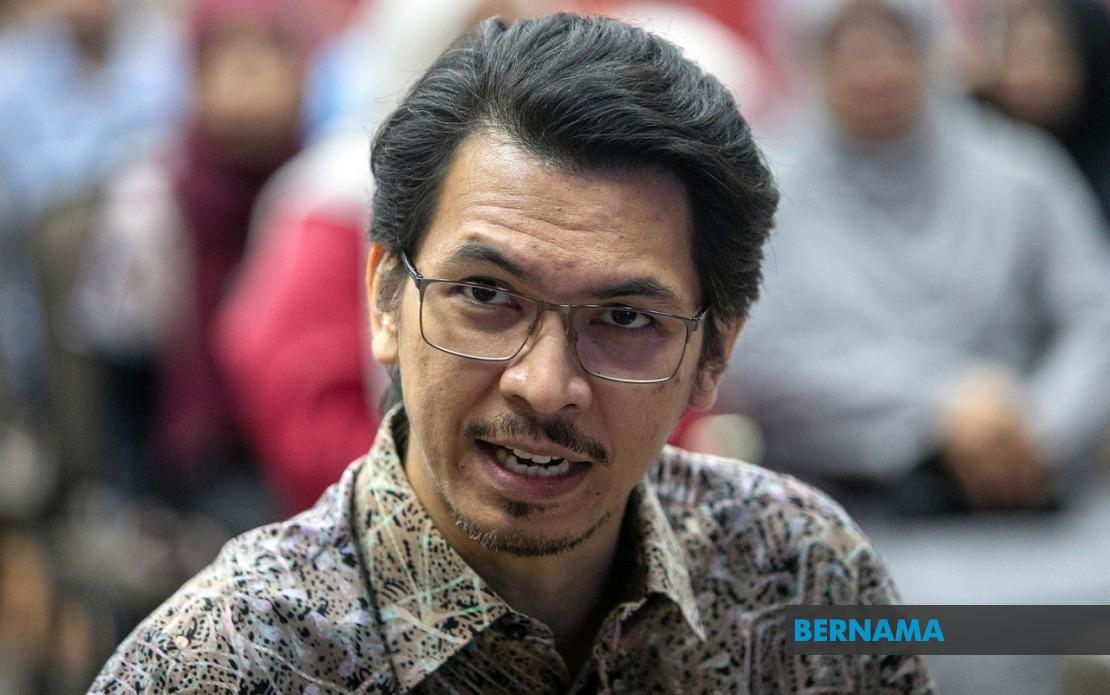
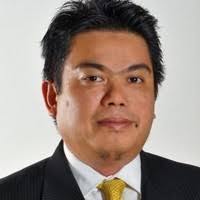
Ernst & Young Consulting Sdn Bhd Partner and EY Asean Government and Public Sector Consulting Leader, Mohd Husin Mohd Nor, said petroleum price swings were an unavoidable feature of global commodity markets and remained a structural vulnerability for Sarawak.
“As a high-value, internationally traded resource, oil and gas prices respond quickly to shifts in supply, demand and geopolitical conditions.
“This creates natural fiscal exposure for any resource-producing economy, including Sarawak,” he told Sarawak Tribune.
He said the state had taken “several prudent steps” that placed it in a stronger position than many jurisdictions highly dependent on commodities.
“For instance, the establishment of the Sarawak Sovereign Wealth Future Fund is a significant step in insulating the state from commodity cycles.
“By converting part of today’s petroleum revenue into long-term financial assets, the state is building an intergenerational buffer that smooths revenues over time and more importantly addresses the rakyat’s needs,” he said.
Mohd Husin said Sarawak was also actively shifting its revenue base away from energy-linked receipts.
“This includes sectors, such as renewable energy and hydropower, hydrogen, advanced materials, downstream resource processing and digital economy.
“It is also improving ease of doing business, strengthening investor confidence and attracting high-value investments as part of strategies to reduce fiscal dependence on oil and gas.
“These efforts will provide a more stable and diversified source of revenue over both the medium and long term,” he said.
He noted that the state leadership had long acknowledged the risks of petroleum dependence and had laid out alternative pathways in policy documents, including the newly launched Sarawak Energy Transition Policy (SET-P), which he described as “a transformative blueprint” for a low-carbon, secure and inclusive future.
“These efforts, among others, demonstrate that while petroleum remains an important contributor to revenue today, the state is not standing still,” he said.
On the projected RM144 million surplus for 2026, he said that the buffer remained limited.
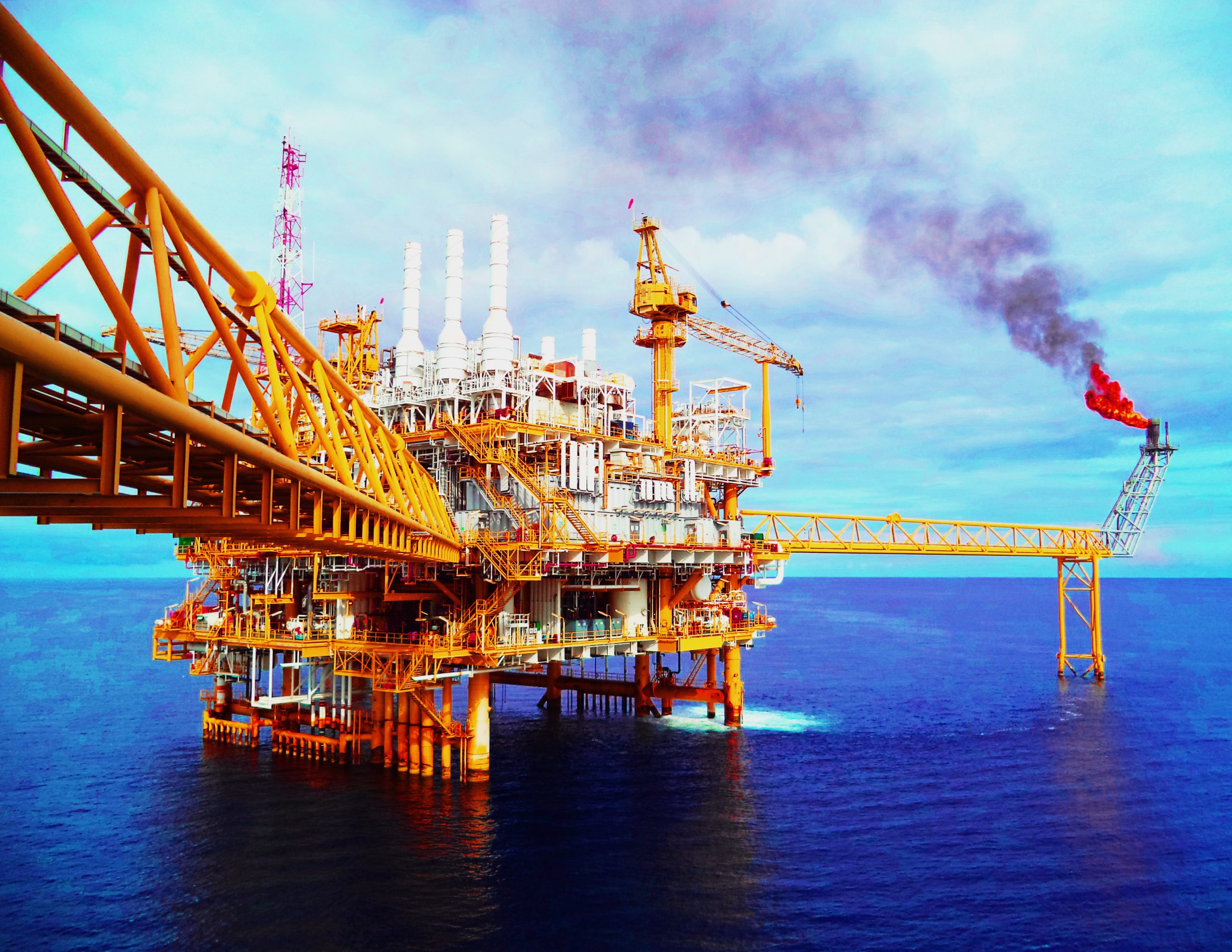
“On its own, the surplus is modest and represents a small percentage of the total projected revenue of RM13.05 billion whilst petroleum-related tax and non-tax revenue makes up approximately 48 per cent of total state revenue.
“This means that a sharp downturn in energy price can essentially erode the buffer,” he said.
Nonetheless, he stressed that Sarawak was well positioned to weather volatility due to existing fiscal strategies.
“For instance, the state allocates a large share of expenditure via the Development Fund Account (RM9.3 billion).
“This provides flexibility in development spending room and for the state to resequence or defer lower-priority projects if revenue turns out softer,” he said.
He added that Sarawak had also “made significant strides” in developing new revenue streams.
“Moving forward, the state’s implementation of the 13th Malaysia Plan (13MP) is a testament of its commitment to continue and shift its economic base from traditional primary sectors, such as petroleum-based toward higher value-added activities particularly in the service sectors.
“In addition, it is developing financial roadmaps to promote financial resilience among state statutory bodies and government-linked companies.
“These efforts are ever more important to safeguard enough buffer for the state to withstand any negative impact on overall revenue.
“These efforts must be accelerated so that Sarawak can withstand any future external pressure on its revenue collection,” he said.
Mohd Husin pointed to external headwinds, noting that the International Monetary Fund (IMF) now expects global growth to normalise at a weaker pace.
“The International Monetary Fund (IMF) forecasts point to global growth normalising at a lower trend than pre-pandemic levels of 3.1 per cent versus 3.8 per cent.
“This softer backdrop matters for Sarawak because weaker external conditions can dampen demand, affect commodity prices and influence investor confidence, all which feed into fiscal planning and revenue stability,” he said.
Geopolitical dynamics, tariff actions and regional conflicts were also reshaping global supply chains.
“Shipping disruptions and higher logistics costs have also emerged periodically, raising concerns about supply continuity and delivery times,” he said.
Yet, he emphasised that global shifts carried opportunities for Sarawak.
He said the transition to clean energy and rapid digitalisation was fuelling demand for resources such as copper and, increasingly, for locations with reliable, low-carbon power.
“Importantly, the accelerating global build-out of data centres driven by cloud and artificial intelligence (AI) is adding to demand for both critical minerals and large volumes of reliable, low-carbon electricity.
“This plays to Sarawak’s strengths. The state possesses extensive hydropower resources, abundant water supply and a clear strategy to develop renewable energy and hydrogen.
“These fundamentals give Sarawak comparative advantages at a time when global investors are looking for locations that can support energy-intensive but low-carbon operations.
“Recent interest in green data centres, as well as discussions on exporting clean energy to Singapore, highlight how the state can leverage its natural endowments to attract high-value, long-duration investments even in a period of global uncertainty,” he added.
From a fiscal standpoint, he said Sarawak must remain conservative in its assumptions but bold in building new growth drivers.
He said lower global growth required careful scenario testing for commodity-linked revenue, but also strengthened the case for diversification.
“However, it also reinforces the importance of continuing to build the foundations for new growth engines, especially in renewable energy, digital infrastructure and sustainable industries.
“By doubling down on its natural strengths and positioning itself as a stable, clean-energy hub, Sarawak can turn a challenging global environment into an opportunity to deepen diversification, strengthen investor appetite and support a more resilient revenue base over the medium term,” he said.