IMPROVING financial literacy in rural Sarawak should begin with strengthening digital connectivity to overcome geographical and logistical barriers faced by remote communities.
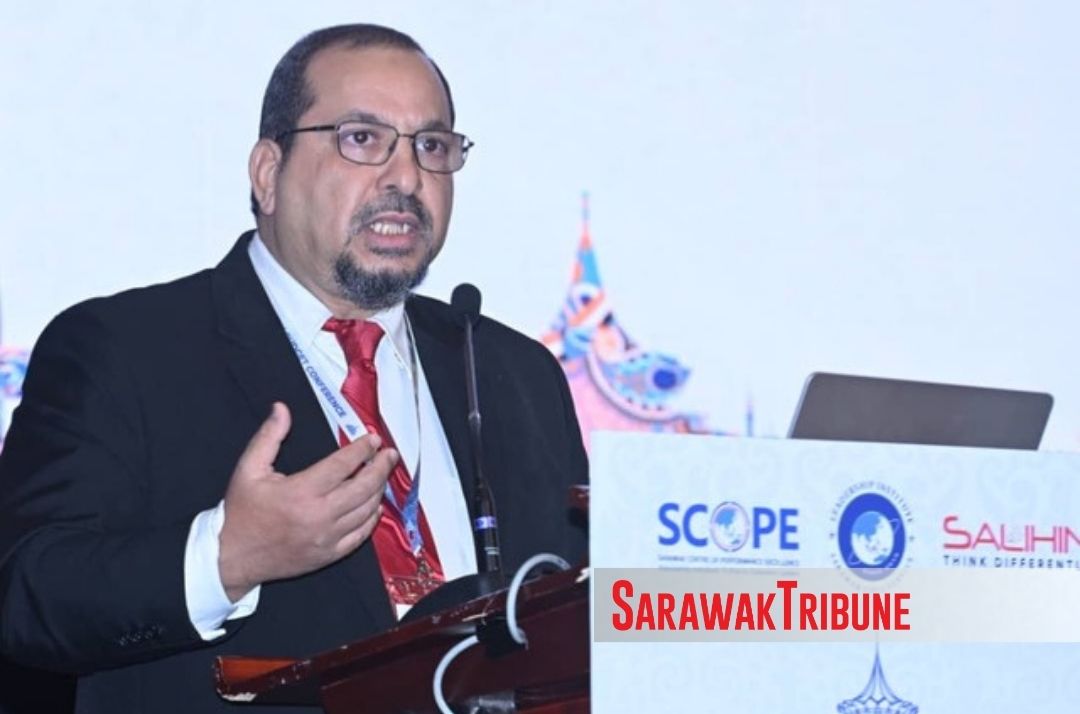
Chief Executive Officer of SALIHIN, Shariah Dr Ahcene Lahsasna, said technology, particularly smartphones and online platforms, could serve as a practical channel to deliver financial education to rural areas where physical access to briefings remained a challenge.
He said connectivity allowed information to reach communities unable to attend in-person programmes due to distance, transport constraints and daily commitments.
“If people cannot come to information, then information must reach them.
“One example I can share is what was done in China. It does not necessarily mean the same approach must be adopted, but it is something to think about.
“In rural areas there, smartphones were provided to improve connectivity. Connectivity is the key, because once people are connected, they can access information. That is one of the quickest ways to improve financial literacy,” he said.
Dr Ahcene said this during a question-and-answer session following a forum titled ‘Sustainable Ethical Economic Growth in Sarawak through SDGs and Social Finance’ at the 2026 Sarawak Budget Conference (SBC) in Kuching on Tuesday.
He pointed out the main challenge in improving financial literacy was not the lack of information, but the means of delivering it, particularly in geographically dispersed rural areas.
He said online platforms could help overcome these constraints by bringing financial education directly to communities, while community leaders and local stations could take the initiative to organise digital-based literacy sessions.
“The challenge is not the content. The information is already available with regulators. What matters is how it is delivered and simplified for the community,” he added.
Dr Ahcene said financial literacy materials were already produced by regulators such as the Securities Commission Malaysia and Bank Negara Malaysia, including simplified guides and visual formats.
He said dissemination through digital platforms would make the information more accessible and easier to understand for rural communities.
He added financial literacy efforts should be carried out alongside social finance initiatives to maximise outreach at the community level.
“These institutions are already engaging with communities through fund distribution and financial support, so financial literacy can be delivered together with these services,” he said.
Dr Ahcene asserted that institutions involved in zakat distribution, waqf foundations and microfinance were well-placed to convey financial literacy, as education and financial assistance often went hand in hand.