The Journey of John Watson Tamin
Actor, singer and former Mister Universe contestant John Watson Tamin speaks candidly about struggle, self-discovery and finding strength beyond the spotlight.
Finding strength beyond the crown

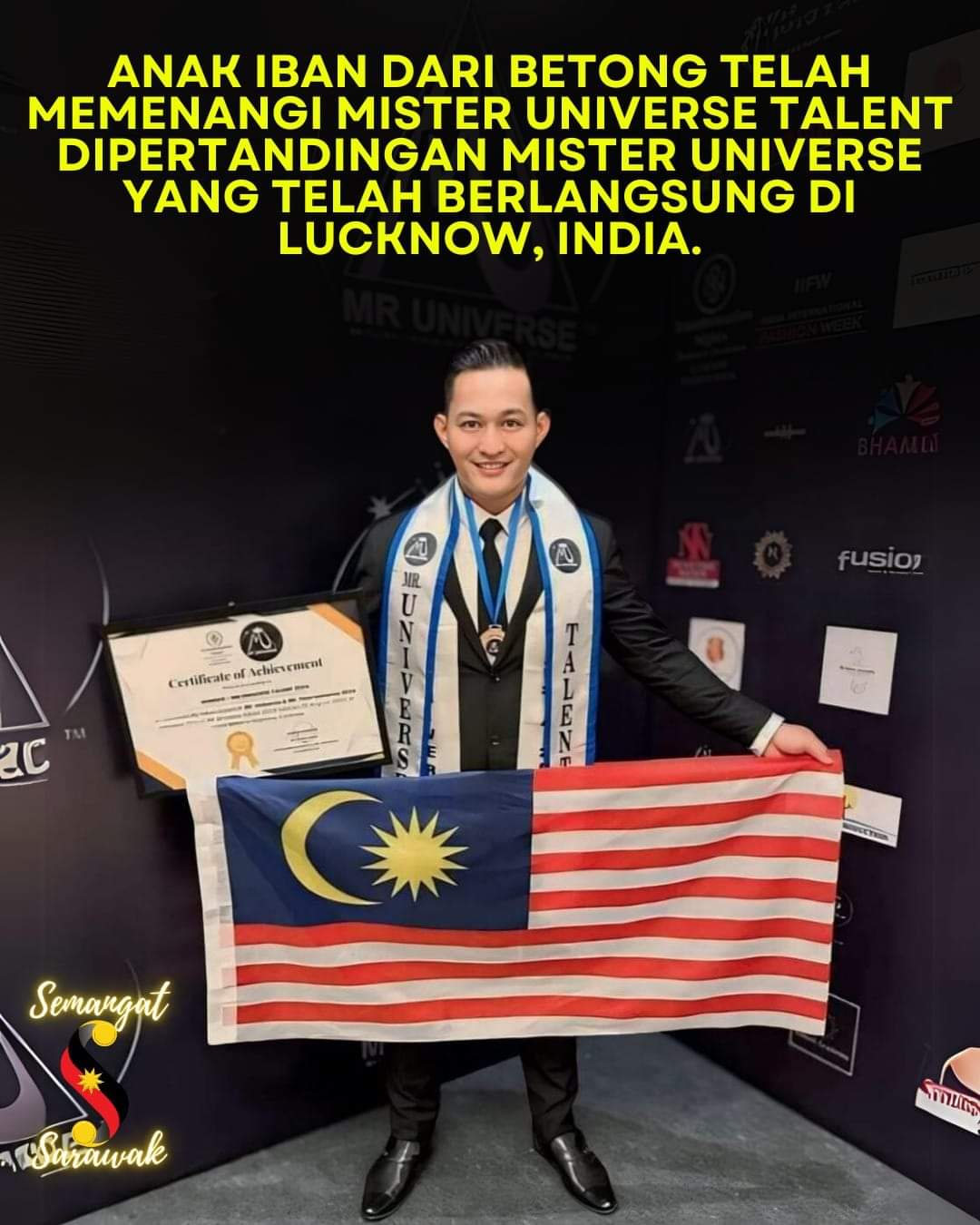
Actor, singer, songwriter, model, pageant king and judge — the list of titles attached to John Watson Tamin is long and impressive. Yet behind the accolades and international recognition, the 34-year-old former Mister Universe 2024 contestant insists he is, at heart, an ordinary person living an ordinary life.
Watson’s career spans more than a decade across pageantry, entertainment and entrepreneurship. His résumé includes multiple international titles, awards and historic firsts that have placed him firmly in the public eye. To many, he appears to be a figure shaped entirely by prestige, discipline and success.
But away from the stage, stripped of sashes and crowns, Watson is candid about the struggles he has endured — from a fractured childhood and identity battles to mental health challenges and moments that nearly cost him his life. It is a journey that has shaped not only his public persona, but the private man behind it.
In this exclusive interview, Watson opens up about his upbringing, cultural roots, creative pursuits, the origins of the name “John”, and the legacy he hopes to leave behind.
Growing up between homes and heritage
Born in Betong, Watson spent most of his childhood and teenage years in Miri, where he was raised by his grandparents alongside his brother. His early years were marked by family separation.
“My parents divorced when I was three years old,” he said. “They married very young, and later realised they weren’t ready.”
Following the divorce, Watson and his brother relocated to Miri, where they remained throughout their formative years. Both parents eventually remarried.
“I now have nine half-siblings — three from my father’s side and six from my mother’s,” he said.
As a child of divorce, Watson admitted that his relationship with his biological parents was complicated in the early years, with long periods of limited communication.
“My biological father now resides in Siburan, while my biological mother still lives in Betong with her current husband,” he said.
It was only later in life, after he began achieving professional success, that Watson felt compelled to reconnect both sides of his family.
“I wanted to gather everyone together — from both my father’s and mother’s families,” he said. “At first, it was awkward. They hadn’t seen each other in years. But over time, they began to reconnect.”
At 18, Watson moved to Kuching to pursue further studies and explore career opportunities. That move marked the beginning of his journey into the wider creative and entertainment industry.
Central to his identity, he said, is his Iban heritage.
“My culture shaped me,” he said. “It taught me discipline, respect and values. Everything I am today comes from that foundation. That’s why I continue to embrace my culture so strongly — it defines me.”

Finding his voice before the crown
Prior to becoming a pageant king, Watson embarked on a career as a singer back in 2006, when he was 15 years old.
At the time, he explained that he was doing it out of the interest towards singing. But it was not until 2016 that he decided to do it on a full-time basis.
“Between 2006 and 2016, I was too young to get involved. I chose to enjoy my life between that 10 year gap. So I wasn’t really focused on what I career I would like to have,” he said.
It was only in 2016 that he decided to commit fully to music. Since then, he has written and composed numerous songs, with two new releases scheduled for next year.
Along the way, Watson explored various professions. At one point, he worked as an assistant manager at a local fitness centre — a role that gave him insight into leadership and discipline outside the entertainment industry.
From pageantry to entrepreneurship
In 2023, Watson took a significant step away from the stage and into business, establishing his own construction company.
The capital came from his winnings at Mr Heritage International.
“When I received the prize money, I decided to resign from my job and start something of my own,” he said.
Construction was not unfamiliar territory. His biological father is a contractor, and Watson chose to follow in his footsteps.
“My company is called JWT Builders,” he said. “It’s named after the initials of my full name.”
The move into entrepreneurship, he said, provided stability and allowed him to diversify beyond entertainment.
An unexpected entry into pageantry
Despite his later success, Watson revealed that he had no knowledge of pageantry before 2019. His entry into the world was, quite literally, unexpected.
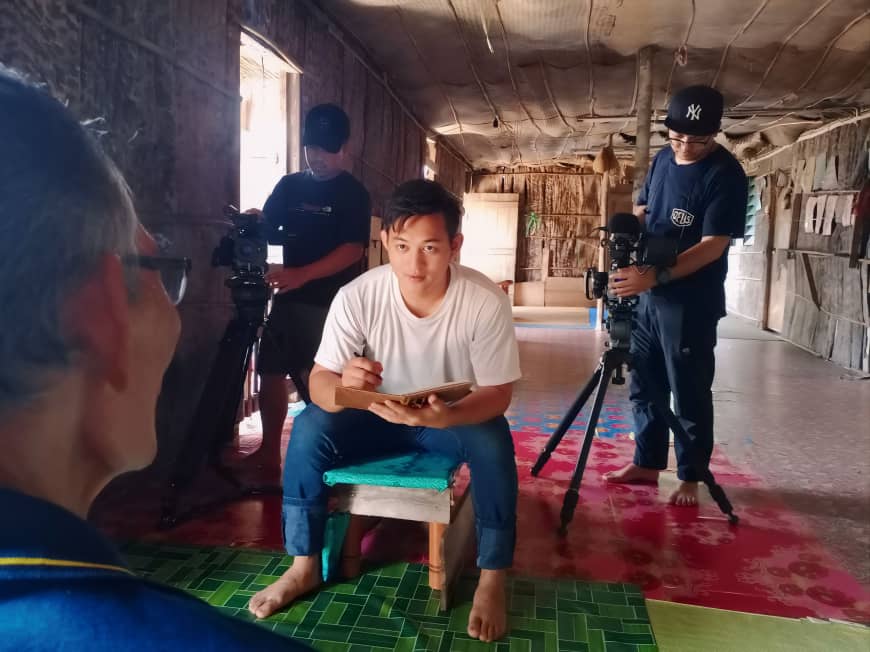
“Two of my friends, Dino and Fred, signed me up for the Keling Raban Ngepan Iban competition without telling me,” he said, laughing.
“I was shocked. I didn’t know what pageants involved, and I had no idea what to do on stage.”
Initially hesitant, Watson eventually agreed to participate after his friends convinced him of his potential. “They believed in me,” he said. “I guess the rest is history.”
That same year, Watson underwent three months of intensive training, covering everything from runway techniques to public speaking and stage presence.
“That’s when I realised how enjoyable pageantry could be,” he said. “It sparked something in me.”
It was also the moment he decided he wanted to pursue the title of pageant king seriously.


Breaking barriers and making history
Since 2019, Watson has competed in eight cultural and beauty pageants and has served as a judge in 16 local competitions.
More significantly, he has achieved five historic milestones:
- The first Iban male to compete in an international pageant
- The first Iban male to represent Borneo internationally
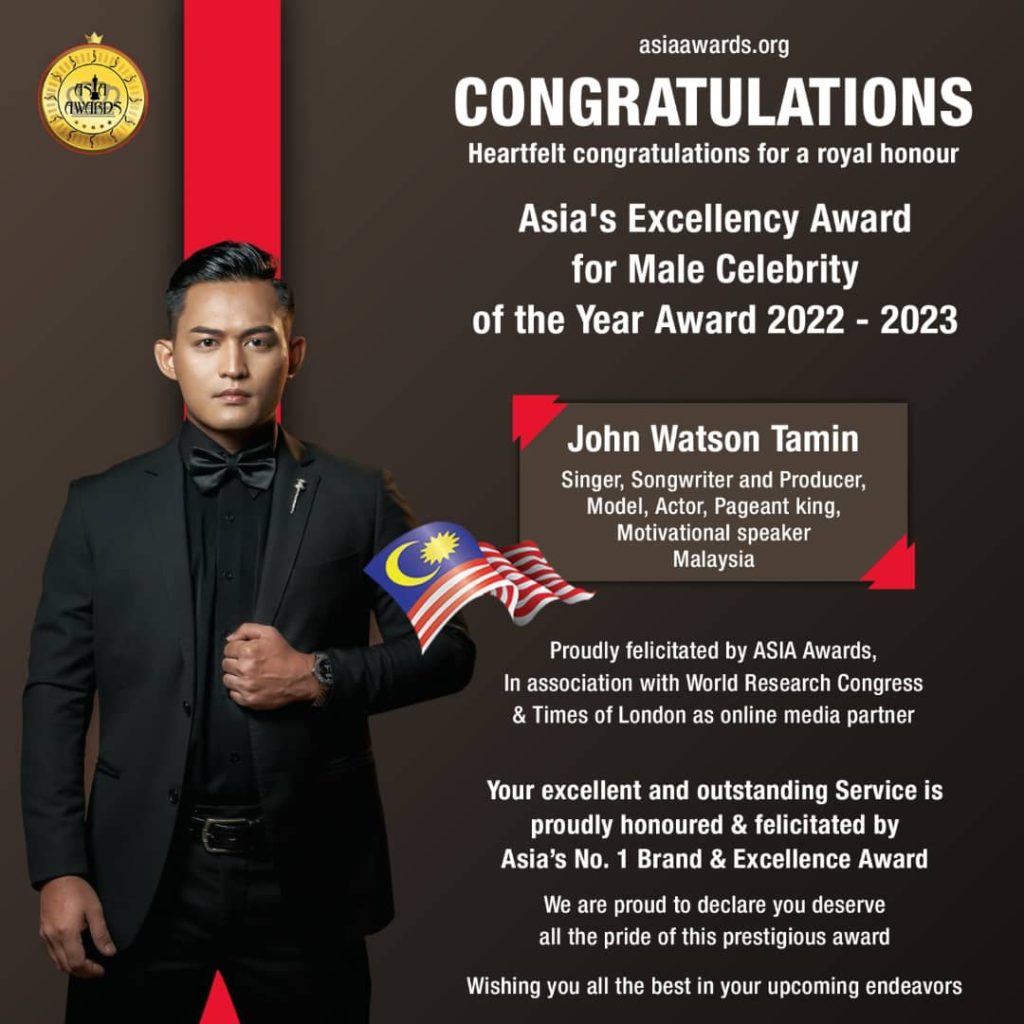
- The first Iban male recipient of Asia’s Excellence Award for Male Celebrity
- The first Iban male recognised by the Malaysia Book of Records
- The first Iban male to represent Malaysia at Mister Universe 2024
Carrying such milestones, Watson admitted, is both an honour and a responsibility.
“Without realising it, I found myself carrying expectations,” he said. “It can feel heavy at times, but I know I can do it. I’m proud to represent my community.”
Life beyond the spotlight
Away from the stage, Watson’s daily life is largely centred on work and creativity.
“I enjoy being productive,” he said. “I also like craft-making — bags, outfits, anything hands-on.”
“And I’m also active with several non-governmental organisation (NGOs). Sometimes I like to be alone, going fishing, just having a time for myself, enjoying my own company.
Weekends, however, are reserved for loved ones. “Sundays are for family and friends,” he said. “That’s when I reconnect.”
Balancing multiple careers, Watson said, requires fundamental structure.
“Once you have a proper system, everything becomes manageable,” he said. “It might sound overwhelming, but with discipline, it works.”
While he has a support team, Watson admitted he prefers handling most responsibilities himself.
“There’s a different satisfaction when you do things on your own,” he said.
The story of ‘John’
Watson revealed that the name “John” was not his birth name. As a matter of fact, it was created as part of a character back in 2012.
The year was one of the most defining chapters of his life— a year marked by loss and emotional collapse.
That year, his stepfather, whom he was very close to, passed away from thyroid cancer.
“I fell into deep depression,” he said. “I stopped eating properly, became dependent on alcohol, and my weight dropped to about 48 kilogrammes.”
Watson was later diagnosed with Intermittent Explosive Disorder (IED), a condition involving sudden emotional outbursts.
“I didn’t understand what was happening to me,” he said.
“I remember the one time my aunt asked to get some stuff for her but all of sudden I raised my voice at her, ahouting at her to go get the stuff herself. When I went to my room, she followed me, crying, and asked me to get help.
“Then I went to a psychiatrict ward at hospital, where I was diagnosed IED,” he said.
During that period, Watson also revealed that he had attempted suicide twice. The first attempt involved riding a motorcycle at high speed and crashing it through a wall; which he miraculously survived without injury. On another occasion, he tried to hang himself, but the rope broke.
The turning point came when he decided to confront his depression head-on.
“I created a character in my mind — someone strong,” he said. “I named him John.”
Whenever depression resurfaced, Watson reminded himself that “Watson was sick, but John was strong”.
“Over time, John and Watson became one,” he said. “That’s how John Watson was born.”
Since then, he has adopted the name professionally and plans to register it officially.
Acting, music and reinvention
While singing comes naturally to him, Watson said acting presents a greater challenge.
“Acting requires you to fully become someone else,” he said. “That’s what makes it exciting.”
He has appeared in nine productions, including telemovies, television dramas and films, portraying a wide range of characters.
“I enjoy surprising people,” he said. “They don’t expect to see me in certain roles.”
Watson remains open to future acting opportunities.
“If the role suits me, I’ll take it,” he said.
Judging pageants and defining style
As a pageant judge and mentor, Watson now trains contestants, helping them prepare for the stage.
“When I became a judge, I finally understood what judges look for,” he said. “Confidence, discipline and eloquence.”
He also emphasised the importance of social media presence.
“Judges notice everything,” he said. “Your online image matters.”
In terms of style, Watson described himself as elegant, favouring tailored suits — often with Dayak-inspired elements.
“I like to wear suit. Because it suits my image and I like to keep it simple. Most of the time, I wear a Dayak-influenced suit, and I style it myself.
“At the same time, if I’m representing Borneo or Malaysia on the international stage, I would ask for my friends’ help and suggestion on what should I wear that is suitable not just for myself, but one that would represent my culture on the global stage,” he said.
Rising above criticism, leaving a legacy
As a public figure, Watson is no stranger to criticism. However, for him, one of the most crucial thing to do for his own mental and emotional well-being is to ignore all the criticism that were thrown at him.
“You have to ignore negativity,” he said. “Focus on your purpose.”
“You can read it, acknowledge the bad things that people said about you and just let it be. Don’t try to fight back, because it would make matters worst,” he said.
Looking ahead, he hopes his achievements will inspire others to aim higher.
“We’ve built the ladder,” he said. “Now it’s their turn to climb.”
Above all, Watson wants to be remembered not for his titles, but for opening doors.
“I’m just an ordinary person,” he said. “So if I can do it, so can you.”