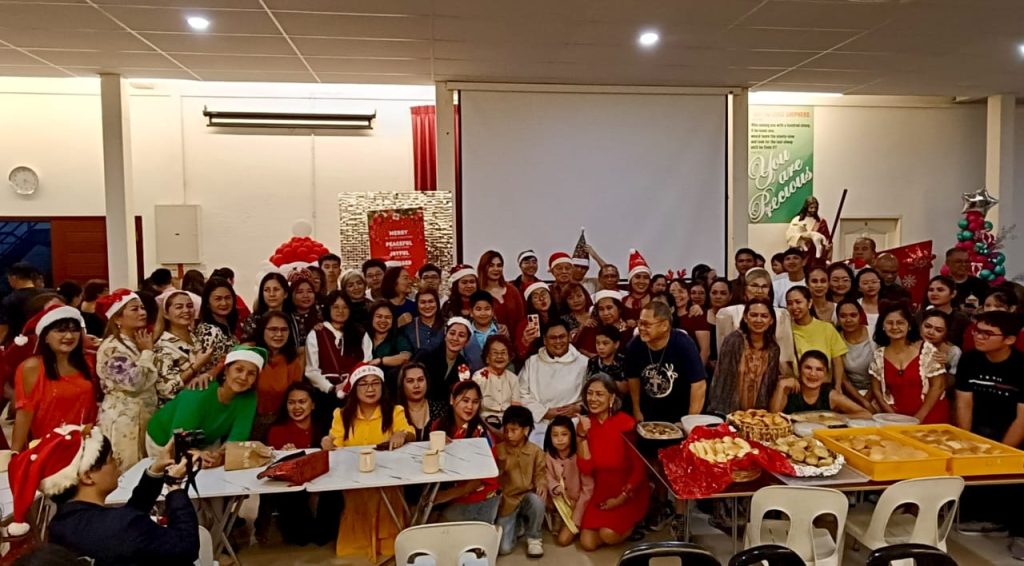
KUCHING: More than 100 Filipino Catholics, together with their families, gathered at Holy Trinity Church to complete the Simbang Gabi novena — a cherished Christmas tradition carried far from home but firmly rooted in faith, hope and community.
Commonly known in English as the Night Mass, the nine-day novena of dawn Masses, held from Dec 16 to 24, is more than a religious observance.
For many Filipinos in Kuching, it serves as a reminder of home and resilience, while also reflecting the city’s multicultural harmony as local parishioners join the celebration each year.
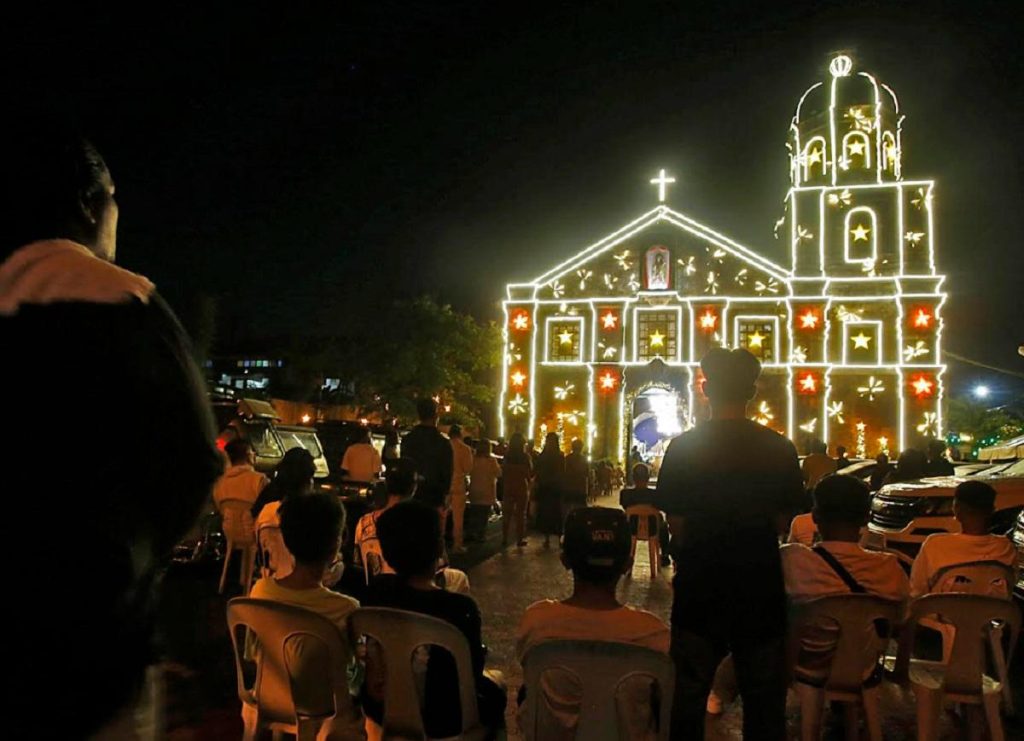
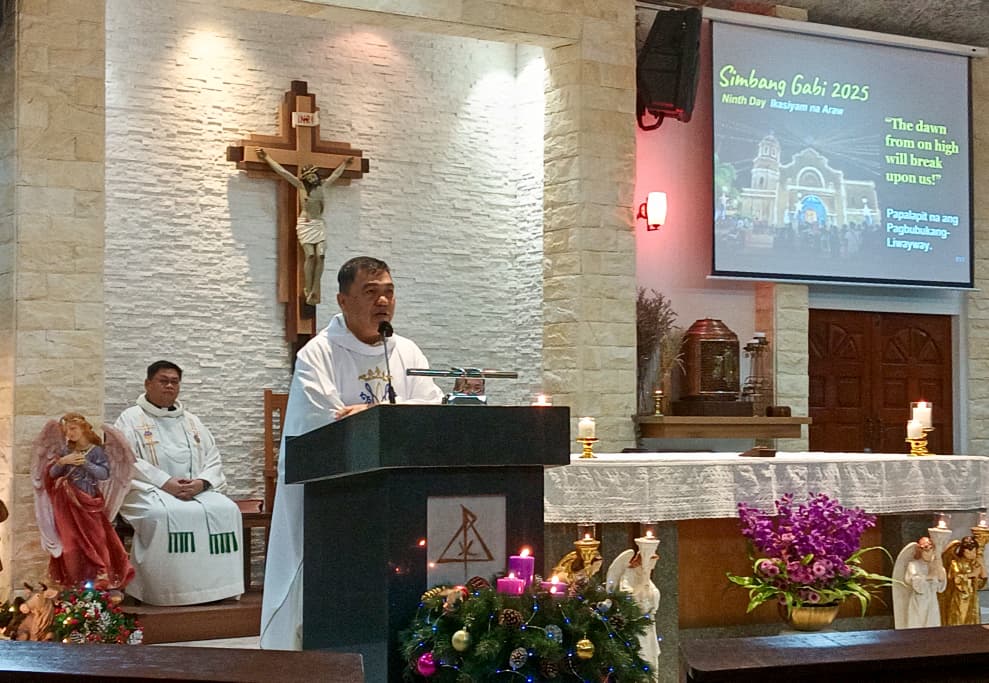
The final day, celebrated at 5am by Reverend Father Andre, Reverend Father Ramon and Reverend Father Galvin, brought together Filipino parishioners and local worshippers for a one-hour service marked by quiet devotion and reflection.
The Mass was celebrated bilingually, blending English with Tagalog hymns and scripture readings — an inclusive approach that allowed both the Filipino community and locals to fully engage in the spiritual experience.
In his sermon, Father Andre spoke about the burdens many carry as they attend Simbang Gabi, and the hope that draws them back each morning despite their worries.
“Many people come to Simbang Gabi carrying worries in their hearts, yet they still come because they believe that the Light is coming.
“When darkness ends, light emerges. The dawn always comes. Jesus comes, bringing light, warmth and peace.
“Pope Leo once said that migrants are carriers of hope. Wherever they go, faith is planted, and through them, others are able to witness that faith,” he said.
After the Mass, parishioners gathered for salo-salo — a Filipino tradition of sharing food and fellowship — where families and friends exchanged simple dishes, conversation and laughter, strengthening their sense of togetherness.
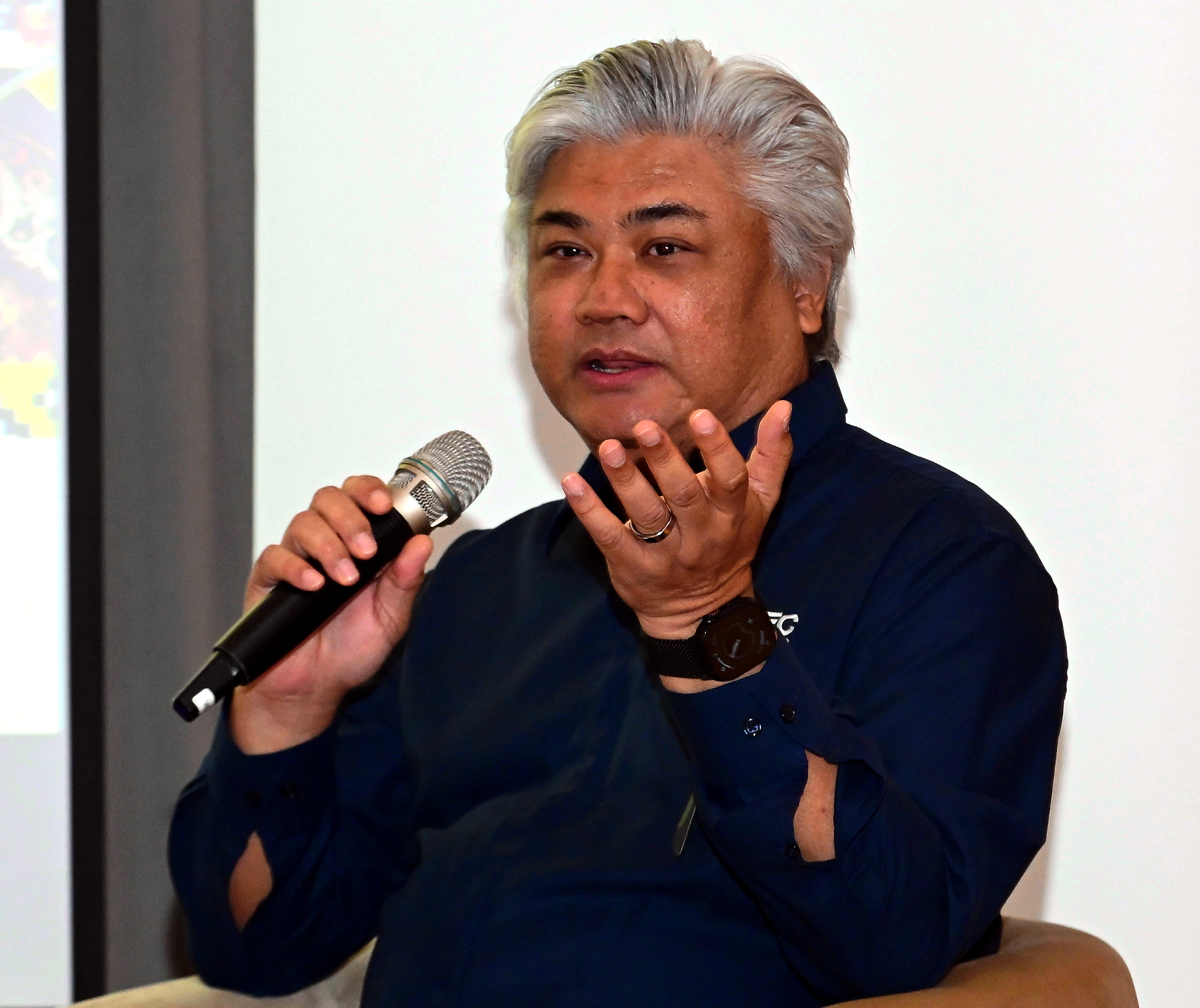
It is understood that the Simbang Gabi novena was first introduced in Kuching by Father Albert, with the support of Filipino Community in Kuching (FILCOM) leader Justin Bersales. It has since been organised by the Filipino community under the Ministry to Migrants for more than a decade.
Now a regular event, the novena has been held at Holy Trinity Church for the past three years, becoming a familiar and meaningful part of the city’s Christmas calendar.
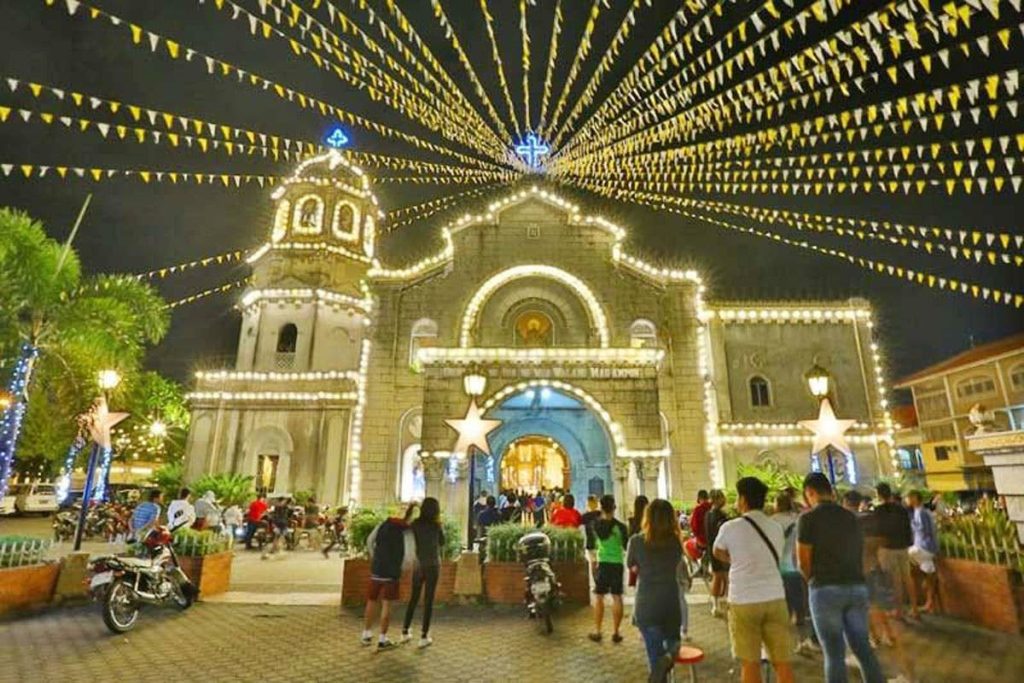
Simbang Gabi, also known as Misa de Gallo in Spanish, dates back to the Spanish colonial period in the Philippines and was originally intended as a practical arrangement for farmers who began work in the fields before sunrise.
Today, the cherished tradition has evolved into a defining feature of Filipino Christmas celebrations — a symbol of sharing, thanksgiving, hope and unity, quietly kept alive in the soft light of dawn.