Manuk Sabong and the Christmas Eve ruckus
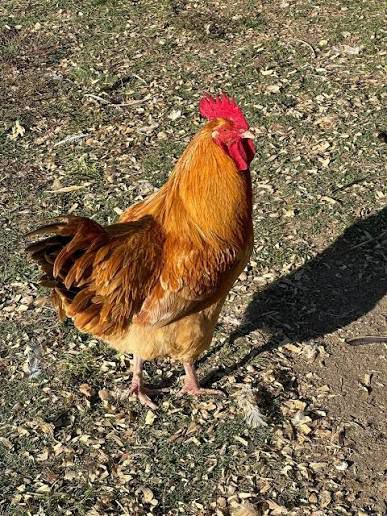
In the longhouse of Nanga Mujong, there lived a rooster who believed he was a legend. His name was Manuk Sabong, though most villagers simply called him the rooster. To him, he was the undefeated champion of dawn, guardian of breakfast, and protector of all chickens everywhere.
Every day, he patrolled the ruai like a warrior surveying a battlefield. His chest was puffed with pride, spurs ready for combat, comb standing tall like a red battle helmet. He crowed at sunrise, announcing victory over darkness and, he hoped, a peaceful day ahead.
Life was peaceful — until Christmas Eve arrived.
This year, the longhouse was unusually crowded. Cars rolled in one by one, headlights stabbing through the evening mist.
Humans carried trunks, boxes, and plastic bags bulging with gifts, tinsel, fairy lights, and jars of mysterious tuak (rice wine). Manuk Sabong puffed out his chest. More humans meant more chaos. Chaos meant war.
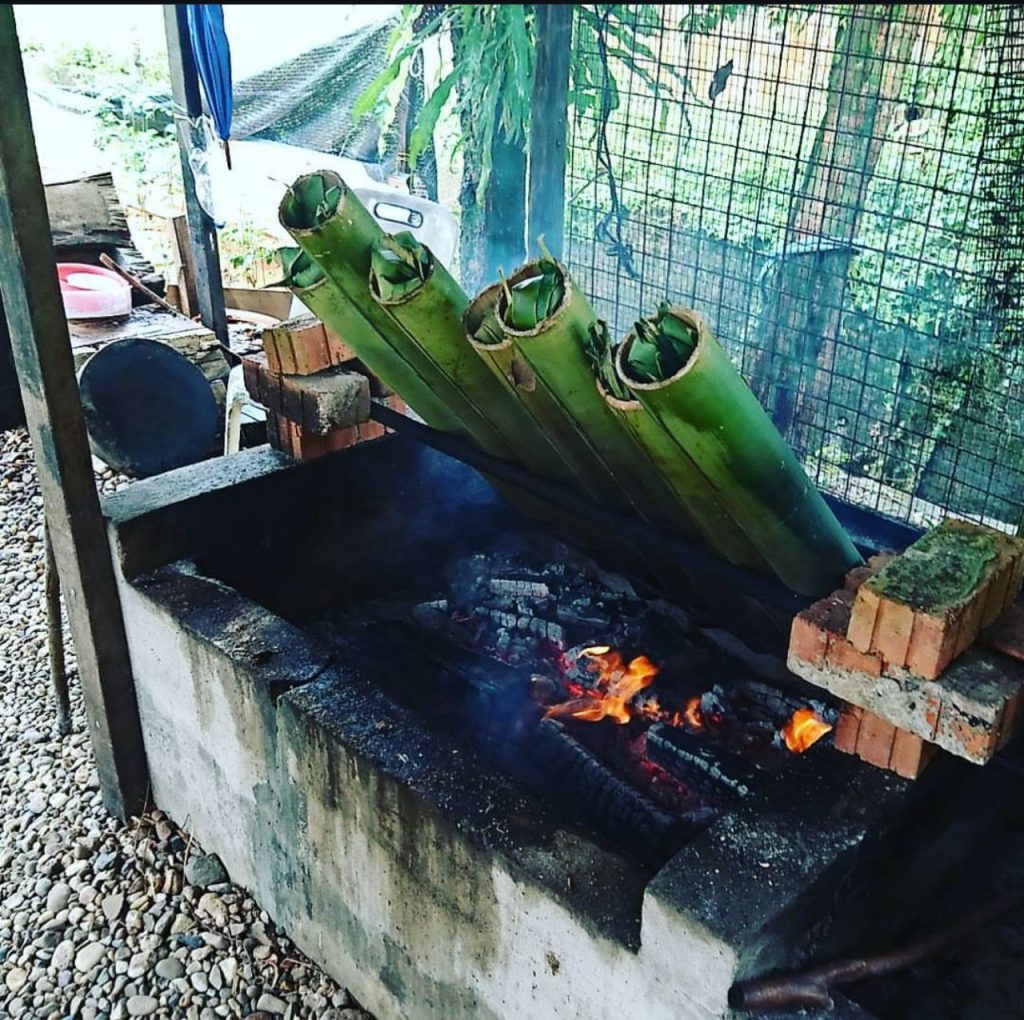
The smell of food was intoxicating. Ayam pansuh (chicken cooked in bamboo) was tender and fragrant, roasted pork dripped with spices, and tuak was sweet and dangerously easy to drink — the kind that made humans unpredictable. Children ran past, squealing, dragging snacks like battle trophies. Manuk Sabong narrowed his eyes. These humans were clearly insane.
The evening began with what humans called karaoke. Manuk Sabong crouched behind a woven basket as Aunt Sebi seized the microphone, belting out a song so loud it could wake ghosts.
The lights above swayed dangerously, tinsel swinging like swords. Manuk Sabong’s comb twitched nervously. Were these humans summoning Santa or some other unpredictable spirit?
Next came the poco-poco (line dance), the longhouse’s dance ritual. Arms flailed, feet stomped, and humans moved like puppets on invisible strings. Manuk Sabong watched in awe.
These city warriors had returned to Nanga Mujong to celebrate, but to him it looked as though they were testing his battle reflexes. He had fought snakes, chased cats, and scared off monkeys, but this was a war of chaos.
Respect was fleeting. Uncle Killah, flushed from tuak and excitement, swooped down and hoisted Manuk Sabong into the air. The rooster squawked, kicked, and flapped furiously. The smell of tuak, roasted pork, sweat, and festive perfumes hit him all at once. It was worse than facing a python.
No, do not parade me like a conquered chicken, he screamed internally.
But Uncle Killah danced harder, swinging him like a red-feathered tambourine. The crowd roared, mistaking the rooster’s furious thrashing for festive enthusiasm.
Someone handed Uncle Killah another glass of tuak. Horror gripped Manuk Sabong. If it spilled on him, who knew what might happen? He could be turned into a dancing, singing, humiliating ornament for the rest of eternity.
The chaos escalated. Children clutched at his tail feathers. Women waved tinsel like whips. An auntie nearly tripped over his wing. The ruai, the long shared corridor of the longhouse, became a battlefield of noise, colour, and erratic footwork. Manuk Sabong narrowly avoided a flying slipper, a leaping child, and an over-enthusiastic uncle swinging a jug of tuak.
Finally, Uncle Killah stumbled and set him on a table. Manuk Sabong froze. Humans sang off-key Christmas songs, some wearing Santa hats, others draped in tinsel, completely oblivious to his dignity. He leapt from the table, sprinted past dancing feet, dodged tuak spills, and hid behind the kitchen doorway. Feathers ruffled, pride wounded. He realised he had survived the madness of Christmas Eve.
Even as laughter, clinking spoons, and karaoke war cries echoed through the longhouse, Manuk Sabong vowed he would rise again, crow louder than ever, and reclaim his honour. But first, he needed to avoid another kidnapping.
And somewhere in the distance, the sweet aroma of ayam pansuh reminded him that survival was not just about escaping humans. It was also about securing breakfast tomorrow.