KUCHING: Residents of this city have been urged to move into 2026 with unity, moderation and confidence, with progress continuing to be measured by people-centred governance rather than rhetoric.
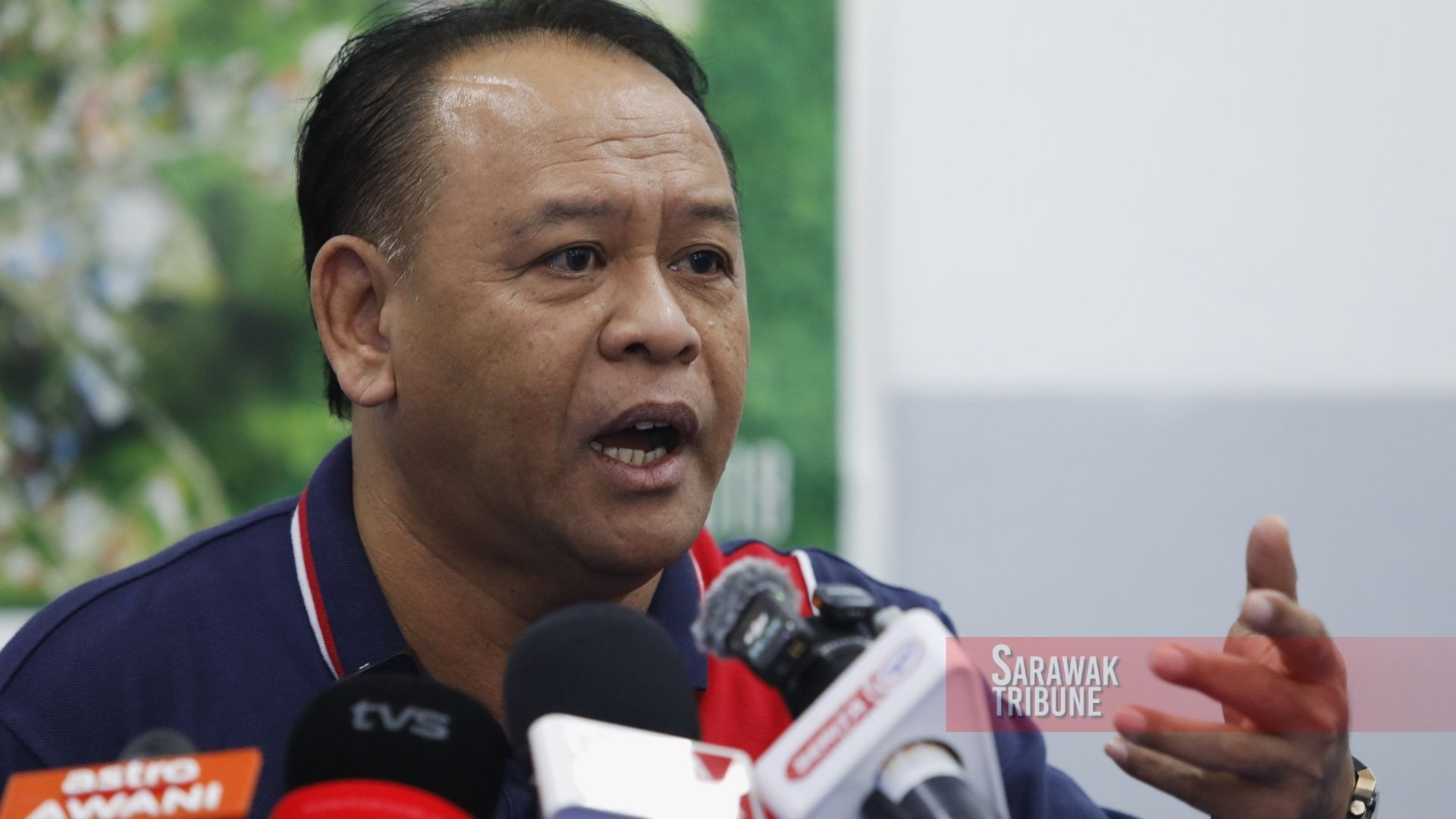
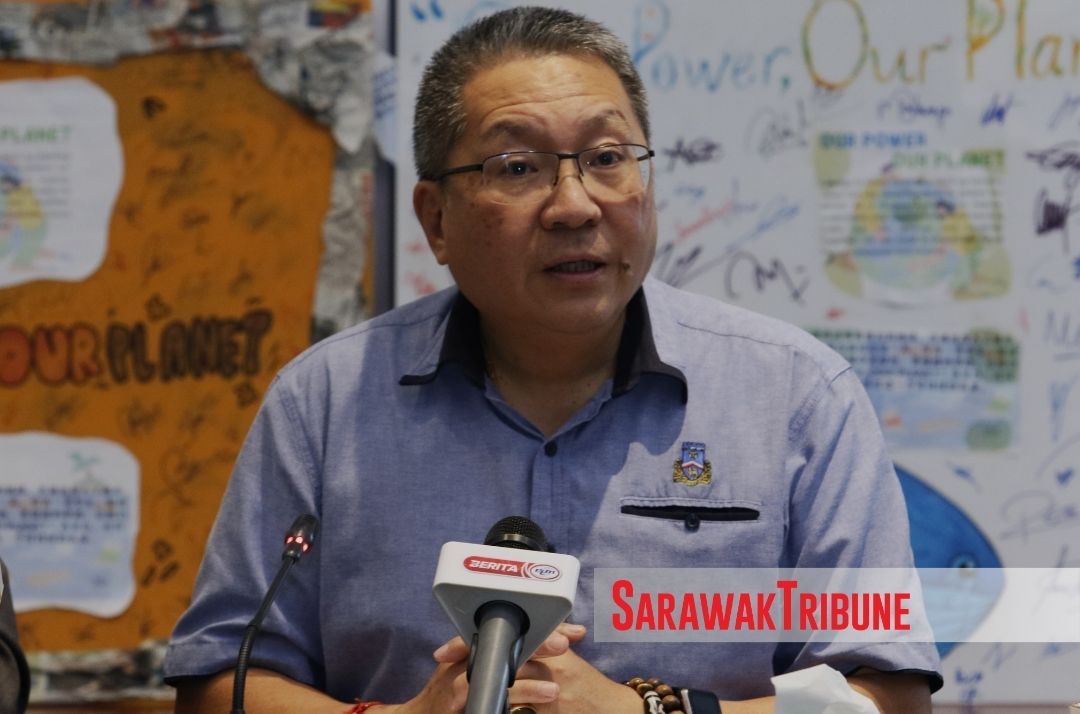
Kuching South City Council (MBKS) Mayor Datuk Wee Hong Seng, in his New Year message, said Kuching South’s development would remain focused on dignity, opportunity and care for all residents, stressing that dependable governance was key to ensuring sustainable growth without eroding the city’s social fabric.
“Kuching has never been defined by one race, one faith or one political slogan.
“Sarawak’s strength lies in its ability to uphold harmony, mutual respect and shared purpose amid global trends of division and confrontation,” he said in a statement today (Dec 31).
Reflecting on the past year, Wee said MBKS had prioritised practical improvements that directly affected daily life, including neighbourhood cleanliness, well-maintained infrastructure, public health initiatives and the enhancement of parks and public spaces to ensure they are accessible and actively used by the community.
“These may not be glamorous achievements, but they are dependable, and it is this dependability that allows a city to grow without losing its soul,” he said.
Wee noted that the council’s efforts were aligned with the Sarawak government’s broader nation-building agenda, pointing out that cities were where policies were translated into real outcomes for the people.
He added that strengthening municipal governance and community cohesion contributed to a confident and self-sustaining Sarawak within the Malaysian federation.
Touching on demographic changes, Wee said the council was planning with intention to address an ageing population while also investing in child-friendly initiatives, safe streets and inclusive public spaces to ensure that no segment of society was left behind.
On environmental issues, he reiterated that sustainability was a long-term responsibility rather than a political slogan, highlighting ongoing commitments in waste management, urban greenery, recycling and responsible urban planning.
Looking ahead, Wee urged Sarawakians to approach any future democratic exercises with clarity and reflection, rather than anger or divisiveness.
He said Sarawak’s stability and progress were the result of practical governance, respectful leadership and policies rooted in local realities.
“The future of Sarawak will not be decided by who shouts the loudest, but by who governs the best,” he said.