KUCHING: On Feb 9, all adult citizens aged 18 and above will receive RM100 credited directly in the identification card (IC). This is part of the federal government’s Bantuan Sumbangan Asas Rahmah (SARA) designed to ease the burden of rising living costs.
The intention was clear— to offer quick relief as Malaysians continue to grapple with rising living costs especially for the upcoming Ramadan and Chinese New Year’s preparation.
But as the funds are utilized, generally the public’s opinion and reaction showed that RM100 means differently for many people.
Some welcomed it as a timely relief during a financially tight period. Others questioned why wealthy individuals also receive the same amount. And many wondered: what comes next after this one-off payment?
Sarawak Tribune interviews some locals to share what they have to say about the RM100 gift in their IC.

For Syed Syaquille Rafique, 24, an intern, the SARA aid is a welcome relief amid rising living costs, adding it needs more fine-tuning.
“The RM100 is helpful, especially for those who really need it. But with the ‘choking’ current prices of goods, it won’t even cover groceries for a week or two. The government should consider increasing the amount,” he said.
However, Syed believes the aid should remain restricted to groceries and necessities only, adding that “Irresponsible people may abuse the system if it can be used for other purposes.”
He admitted he only recently learned about SARA 2025 and did not manage to use the full amount.
“I only used half because I found out too late. Now that I am aware of SARA 2026, I will make sure to utilise it efficiently.”

Meanwhile, Aida Yasmeen, 28, a live host, welcomes the return of SARA aid with open arms.
“It is good. I think everyone is glad they can receive it again,” she said, adding that the RM100 credit helps Malaysians purchase groceries and daily necessities more easily.
“It can be very helpful during emergencies too, just in case there are any last-minute purchases needed.”
For her household, the aid has been “very helpful” – not just in reducing expenses, but in teaching better financial discipline.
“It really helps me save more on groceries and teaches me to manage properly what needs to be bought on a monthly basis,” she explained.
She believes the amount is enough – with a caveat. “It is enough if we are able to manage and purchase within our needs only and not overspend. Unless the prices of groceries keep rising too, then yes, it is not enough.”
The rollout was not without hiccups. On the first day of SARA 2025, she struggled to use the credit due to system malfunctions at almost every outlet.
“Too many people were trying to claim it at the same time. But that was only momentary – afterwards, everything went smoothly,” she recalled.
For Mohd Qayyum Shafiq, 28, a video editor, he sees the SARA aid as a practical and modest form of relief.
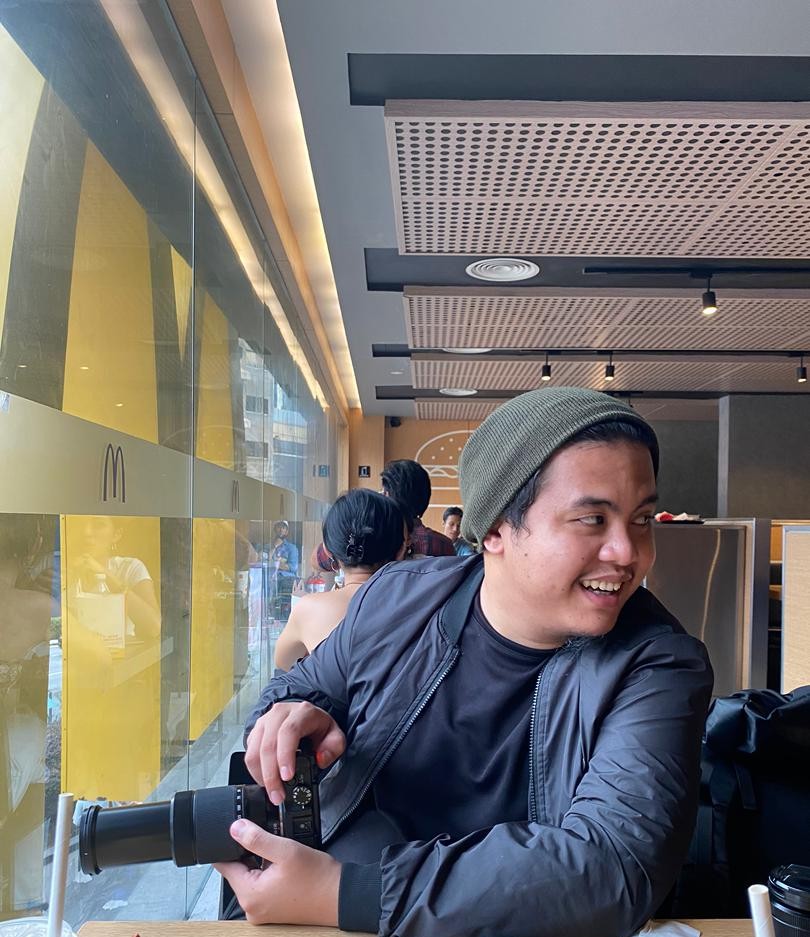
“I think it is a good initiative for the people, it is better to receive something than nothing,” he said when asked about the RM100 credit forthcoming on February 9.
“The government are giving aid. Surely no one would deny the gesture.”
For him, the impact is tangible but temporary. The RM100 allows him to buy food to survive for two weeks, cutting his usual RM150 food budget down to just RM50 out of pocket.
“It significantly reduces my monthly expenses. I usually spend RM150 for food, but with SARA, I was able to reduce it to RM50,” Qayyum explained.
“The amount RM100 would be enough temporarily,” he admitted. However, he’s quick to point out that the relief only lasts about two weeks – after that, he’s back to managing expenses on his own.
He recalled one particularly hectic experience trying to use his SARA credit at a supermarket.
“There was one time we tried to buy at a supermarket. It was too hectic with the number of people trying to use SARA and facing problems with the system that jammed at that time.”
When asked if he had any suggestions for improving the programme, his response was simple and direct: “Maybe a bit higher allocation won’t hurt, as the living cost keeps rising every year.”
For Jahabar Saiyahmed, 64, a housewife, she is grateful for the aid but believes the timing and targeting could be better.
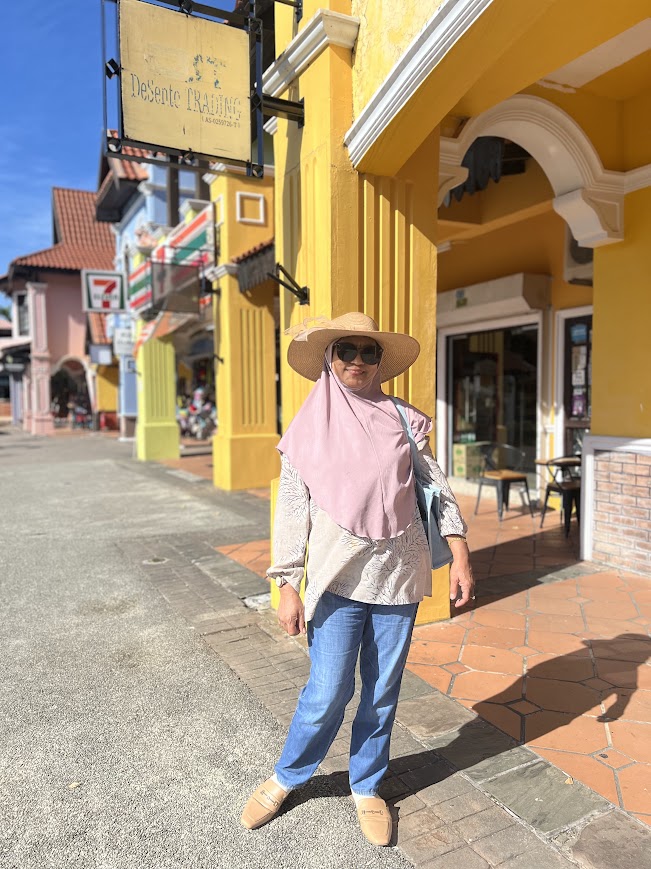
“Syukur, I am grateful, but I would rather the SARA aid be credited during the mid-year,” she said, suggesting that the Feb 9 date may not align with when households need it most.
More importantly, she questions whether everyone should receive the same amount regardless of income level.
“Yes, for B40, but not for everyone. Instead of crediting the amount to those not from the B40 category, the money could be added up to the existing RM100 amount to help the people from the category even more,” she argued.
While she acknowledges that “in a way it does help,” she was clear that RM100 is not enough to address rising living costs, and its impact on her monthly expenses is not particularly significant. The aid, she added, does not make a real difference to her quality of life.
Her message to policymakers is straightforward: “Give to those who really need the help.”
She believes that redirecting funds from higher-income recipients to increase the aid amount for lower-income groups would make the programme more effective and equitable.