KUCHING: It is wiser to maintain the current political arrangement rather than impose rigid term limits on top leaders, as the existing system has worked well and does not warrant unnecessary disruption.
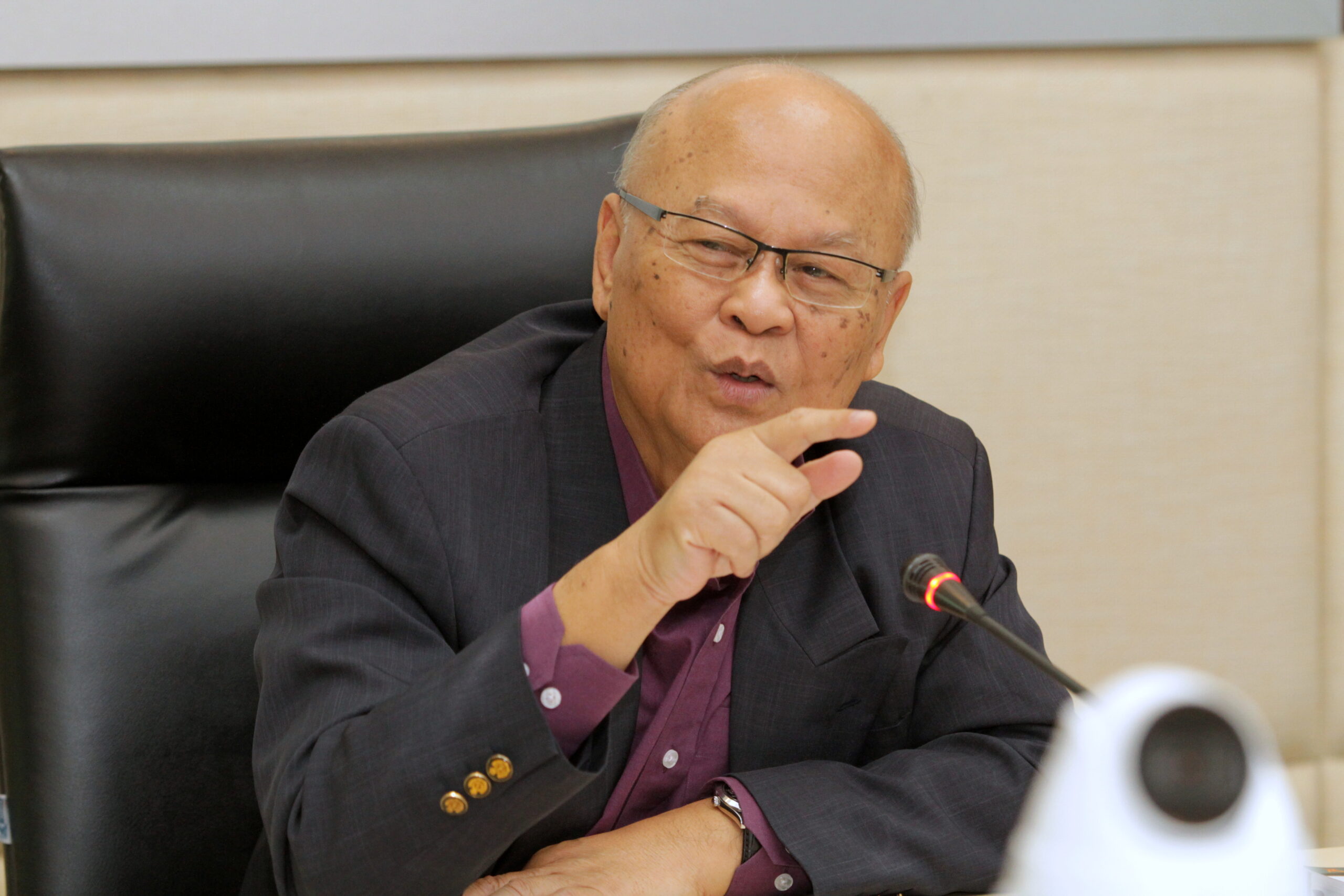
Political observer, Datuk Peter Minos, said proposals to limit the Prime Minister, Chief Ministers or Menteri Besar to two terms or a maximum of 10 years were based on the assumption that such restrictions would automatically benefit the people and the country, an assumption he said was not necessarily proven.
“The present arrangement works well. So why disturb it? Why ask for trouble when there is none in the first place?” he said.
Minos argued that if a leader was competent, effective and clean, imposing a strict term limit could result in the loss of valuable leadership, experience and talent.
“If such a leader is performing well, limiting his tenure may deprive the country of his ability and contributions,” he said.
Minos also questioned the notion that leaders inevitably become greedy for power or wealth after one term, saying such an assumption could not be definitively applied to all leaders.
While expressing reservations about a two-term or 10-year limit, Minos said an alternative approach could be considered if the public so desired.
He suggested that a three-term or 15-year framework might have some merit, with the first term focused on planning and laying foundations, the second on implementation and refinement, and the third on monitoring outcomes, improving policies and preparing for an orderly transition.
“Perhaps 15 years or three terms can be considered, if the people want it,” he said.
Minos said there was little compelling justification for introducing a two-term or 10-year limit at present and reiterated his view that the status quo should be maintained until the public clearly demanded change.
“Why rock the boat when there is no turbulence and no storm?” he said.
Drawing from the British parliamentary system which Malaysia inherited, Minos pointed out there was traditionally no fixed limit on a prime minister’s tenure, with accountability ultimately resting with the people.
“Let the people, by whatever democratic means, remove a prime minister when he is no longer good, clean or effective – whether after one year or many years. This system has worked in Britain, and it has worked in Malaysia as well,” he said.