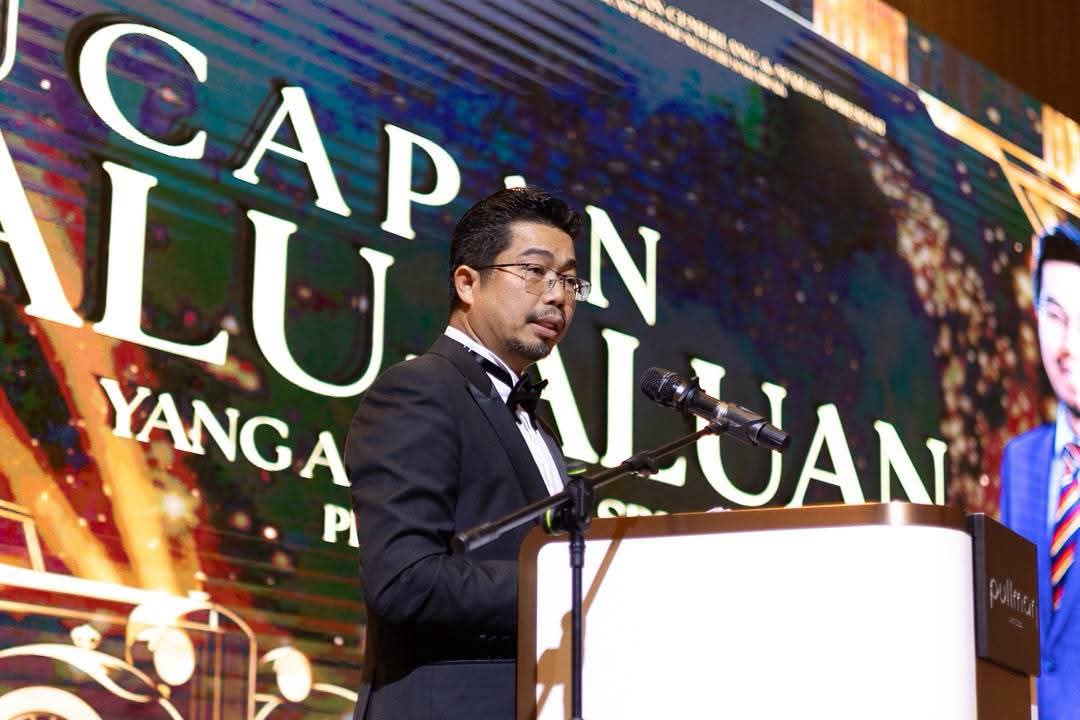
KUCHING: The Sarawak United Association of Chinese Aided Primary School Boards of Management has called for greater policy coherence, stability and accountability in national education reforms.
The call comes in the wake of renewed discussions on the possible reinstatement of major public examinations.
Its president Datuk Jonathan Chai said recent announcements by the Education Minister on considering the reintroduction of the Ujian Pencapaian Sekolah Rendah (UPSR) and Pentaksiran Tingkatan 3 (PT3), alongside proposals such as standardised school uniforms and past controversial measures including black-and-white school shoes, have raised concerns over the overall direction of Malaysia’s education policies.
“These developments must be examined rationally and systematically, from both a principled and institutional perspectives,” he told Sarawak Tribune on Saturday.
Chai stressed that the abolition of UPSR and PT3 was not, in principle, a wrong policy direction, noting that many education systems worldwide are moving away from over-reliance on high-stakes standardised examinations towards formative, classroom-based assessments and holistic student development.
“This approach is theoretically sound and supported by many education experts. The real issue is not whether examinations should be abolished, but whether the system was adequately prepared for such a shift,” he said.
He pointed out that the rapid removal of the two major examinations without comprehensive teacher training, proper calibration of assessment standards and effective communication with stakeholders had left schools, teachers and parents feeling uncertain and overwhelmed.
“Classroom-based assessment demands high levels of professional judgement, objectivity and consistency. It cannot succeed through administrative directives alone,” he added.
Chai also expressed concern over what he described as apparent policy inconsistencies, noting that while the Education Minister had previously ruled out any policy “U-turn”, discussions on reinstating examinations are now taking place.
“Frequent shifts in policy undermine credibility, place additional burdens on frontline educators and risk creating the perception that students are being treated as experimental subjects of changing policies,” he said.
According to him, the situation warrants a serious review of the ministry’s decision-making and accountability mechanisms, including whether sufficient policy impact assessments were conducted, whether professional advice was adequately considered, and whether effective corrective measures are in place when policies fail to achieve their intended outcomes.
Chai cautioned against the uncritical adoption of foreign education models, such as those of Finland and New Zealand, without proper contextual adaptation.
“The success of these systems is built on highly professionalised teachers, equitable resources and strong societal trust. Malaysia still faces challenges in teacher training, resource distribution and school disparities, making wholesale adoption impractical,” he said.
Looking ahead, he said education reform should be guided by stability, precision and gradual implementation.
Among the measures proposed were retaining low-stakes diagnostic national assessments at key stages, strengthening teachers’ professional assessment capabilities instead of increasing administrative burdens, and focusing on substantive improvements in education quality rather than symbolic initiatives.
“All major reforms must include clear transition periods and transparent communication to minimise disruption to the education ecosystem,” he added.
“Education reform requires courage, but it also demands professionalism, patience and accountability. Education should never become a political testing ground, and students must not be treated as experimental subjects of shifting policies.”
Earlier, the Ministry of Education said that it would mull the need to reintroduce the UPSR and PT3 and the ministry has reactivated the National Education Advisory Council (MPPK) this year to carry out a review.
Education Minister Fadhlina Sidek said the decision was made after taking into account complaints from many parents following the abolition of UPSR and PT3 in 2021 and 2022 respectively and that findings from the review will be presented to the Cabinet for further action.