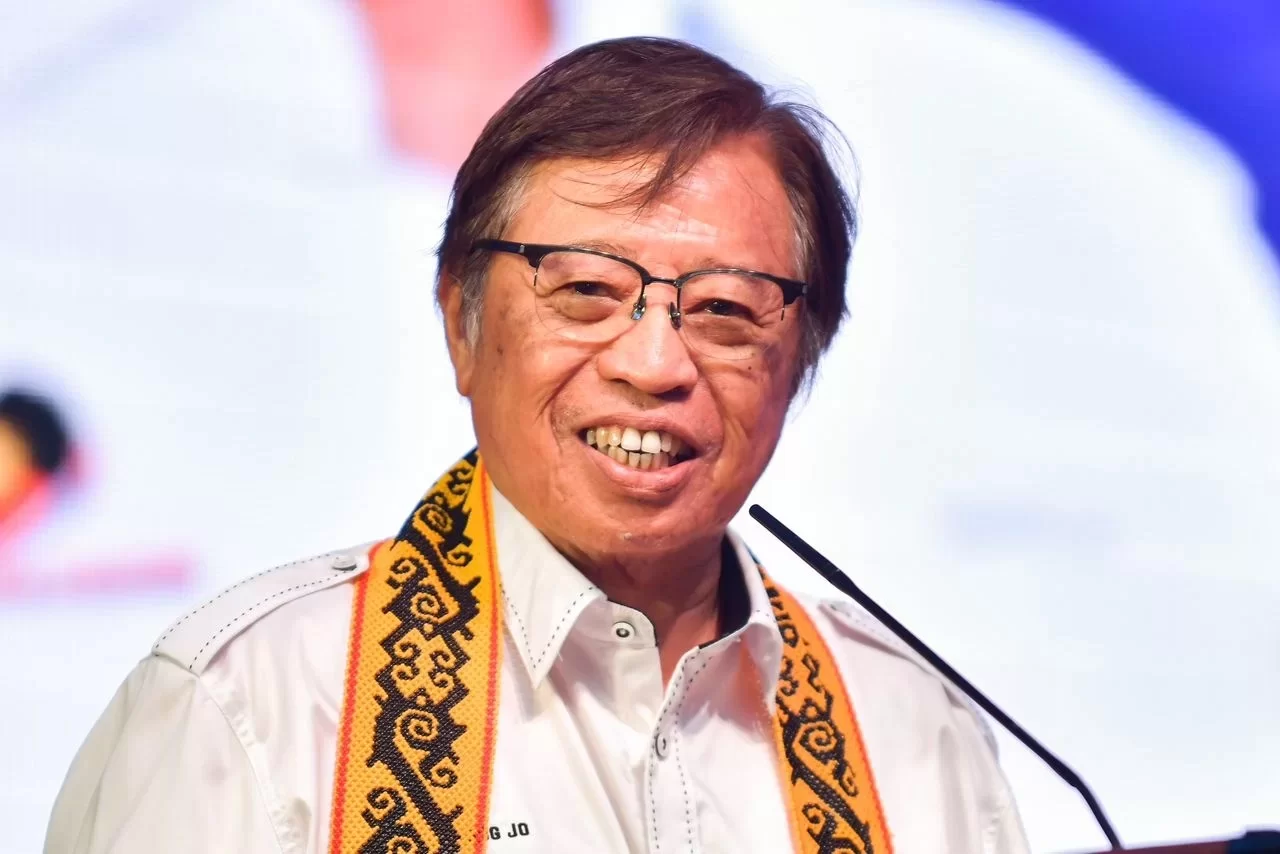
In the nine years since Premier Datuk Patinggi Tan Sri Abang Johari Tun Openg took office, Sarawak has undergone a remarkable transformation. Once viewed as a peripheral state limited by infrastructure and development challenges, Sarawak is now seen as a forward-looking, ambitious region leading the way in sustainable growth, innovation, and regional cooperation.
State and local leaders credit this progress to the Premier’s vision—one rooted in the idea that Sarawak can lead ASEAN through inclusive development, technological advancement, and environmental responsibility.
At the heart of this transformation is Green Nomics, a homegrown development philosophy that balances economic growth with environmental conservation and social inclusion. Guided by strategic frameworks like the Post-Covid-19 Development Strategy 2030 (PCDS30), Sarawak is charting a clear path toward becoming a high-income, developed state by 2030—one where no community is left behind.




Powering Progress: Renewable Energy and Green Nomics
Under Abang Johari’s leadership, Sarawak has become a regional pioneer in renewable energy.
“More than 70 per cent of our electricity now comes from renewable sources, mainly hydropower,” said Datuk Dr Hazland Abang Hipni, Deputy Minister of Energy and Environmental Sustainability. “This is part of our larger plan to increase generation capacity from 5.7 to 10 gigawatts by 2030 and double our GDP to around RM280 billion.”
Over RM347 billion has been mobilised in green investments, expected to create more than 220,000 jobs. Yet the Premier’s approach is not purely economic—it is rooted in environmental and social responsibility.
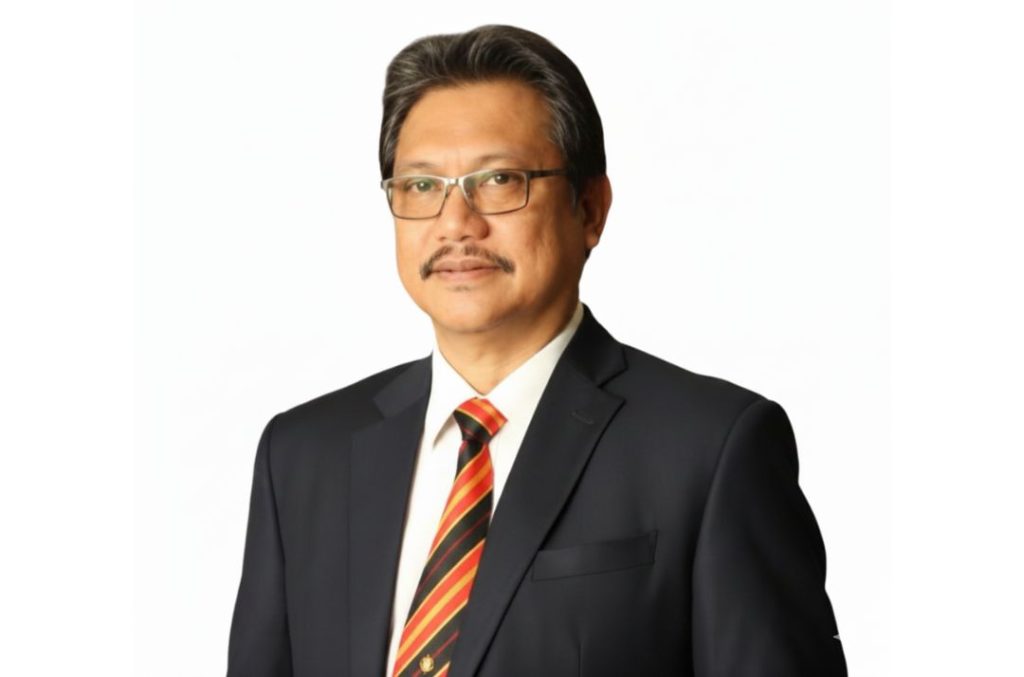
Sarawak has pledged to keep at least 60 per cent of its land forested. Initiatives like carbon trading, sustainable land use, and nature-based solutions are part of a broader climate strategy.
“When we protect nature, we protect the future,” Hazland said.
This philosophy is reflected in the 2026 Sarawak Budget, which allocates major funding for green energy, a carbon levy on the oil, gas, and energy sectors, and the Climate Change Fund to support clean energy and conservation efforts.
Crucially, rural communities are not left out. Solar systems and infrastructure upgrades under the rural electrification scheme are bringing power to remote areas.
“A green future must include farmers, fishermen, small entrepreneurs, and rural families—not just big corporations,” Hazland stressed.
Legal reforms are also key. The Environmental (Greenhouse Gas Emissions Reduction) Ordinance 2023 and the Sarawak Waste Management Bill have established clear rules on emissions reporting and waste management.
“Waste isn’t just garbage—it’s part of our development,” Hazland noted, highlighting the Premier’s belief in turning environmental challenges into economic opportunities.
From traditional industries like logging and mining, Sarawak is shifting towards hydrogen, circular economies, and green technology.
“This is not just about reducing emissions—it’s about transforming our economy and society,” Hazland said.
Governance and Education: A New Model for Sarawak
Abang Johari’s leadership has also reshaped Sarawak’s governance. With stronger state institutions and clearer strategic direction, Sarawak now approaches federal negotiations with confidence.
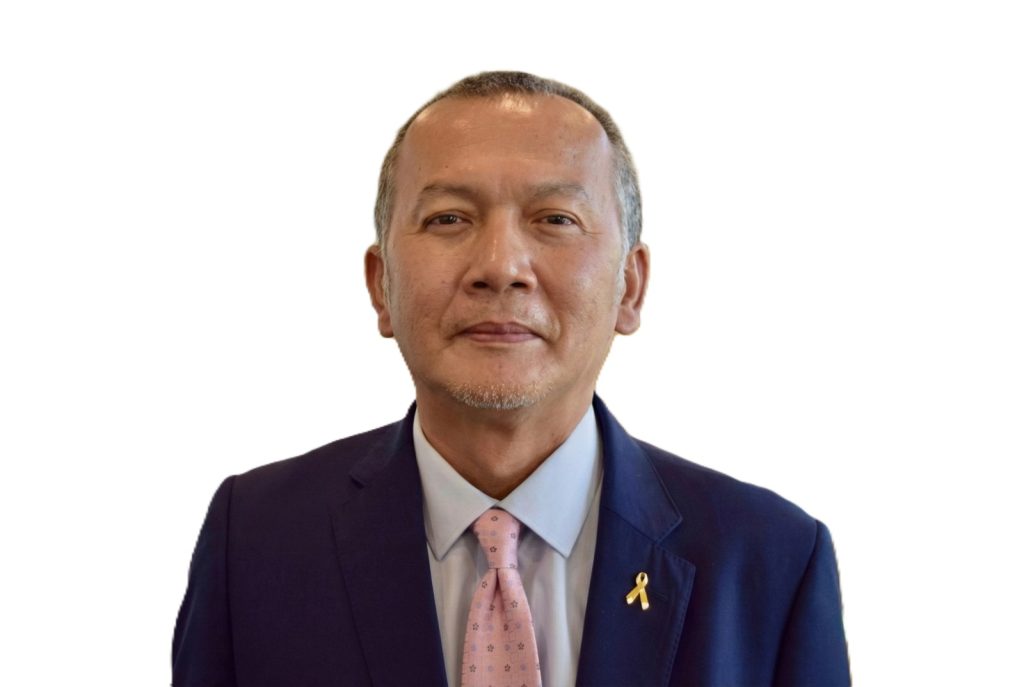
“In the past, our priorities were treated as regional issues raised occasionally. Today, we come with clear plans, backed by data and delivery mechanisms,” said Senator Datuk Ahmad Ibrahim.
Education has been a key pillar. The free university education policy for eligible Sarawakians reflects a long-term commitment to building local talent.
“This shows that we’re serious about reducing inequality and ensuring no capable student is left behind,” Ahmad said.
Sarawak’s push for autonomy under the Malaysia Agreement 1963 (MA63) has allowed it to make long-term plans in sectors like education, transport, and energy.
“Rights are not just political slogans—they’re tools for development,” Ahmad explained.
Modern Connectivity: From Air to River
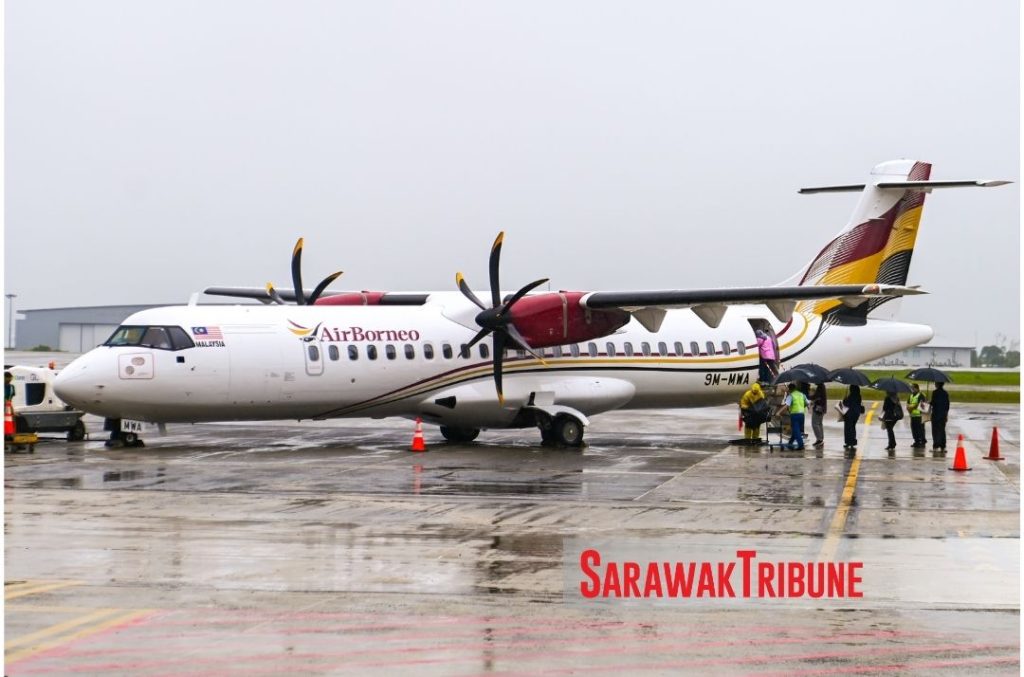
Infrastructure has advanced rapidly. The launch of AirBorneo, a state-owned airline, is a game-changer for rural access, tourism, and regional mobility.
“AirBorneo is more than an airline — it’s a strategic link for our communities,” Ahmad said.
On land, the Autonomous Rapid Transit (ART) system offers a cost-effective, sustainable solution for urban mobility.
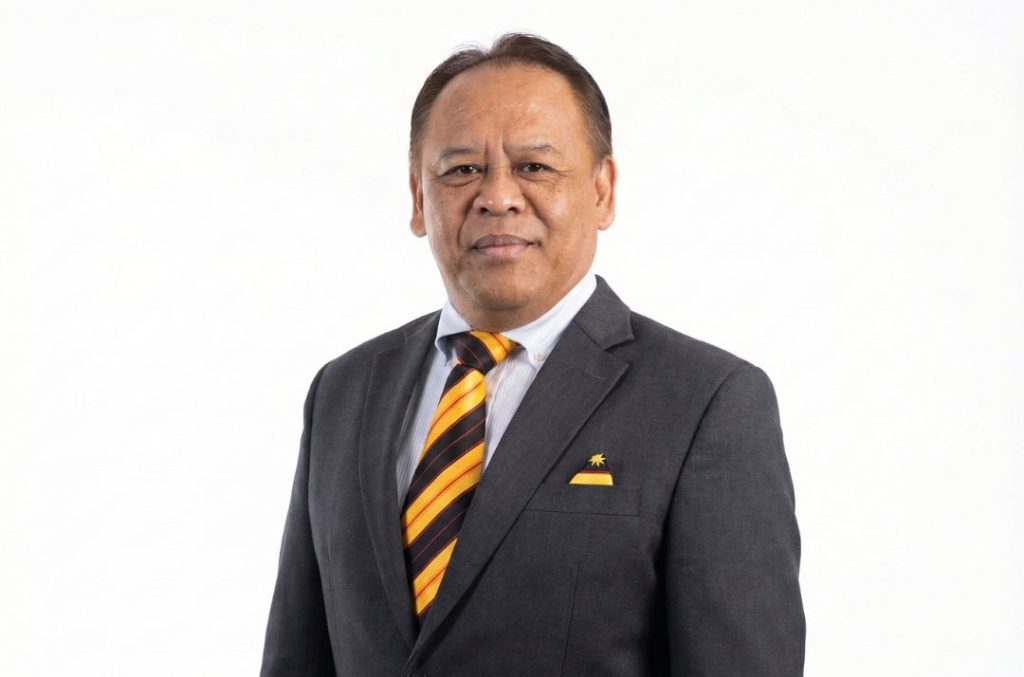
Sarawak’s rivers, once underserved and unsafe, have seen major upgrades.
“At the start of the Premier’s term, river transport lacked basic safety standards. Today, 270 navigational aids have been installed,” said Datuk Henry Harry Jinep, Deputy Minister of Transport (Maritime and Riverine).
Landing facilities, boat operator training, and digital tools like Sarawak Pay for tolls have modernised the system. Collaborations with private firms, including Grab’s Penambang service and hybrid boats expected by July 2026, show how innovation is being integrated into river transport.
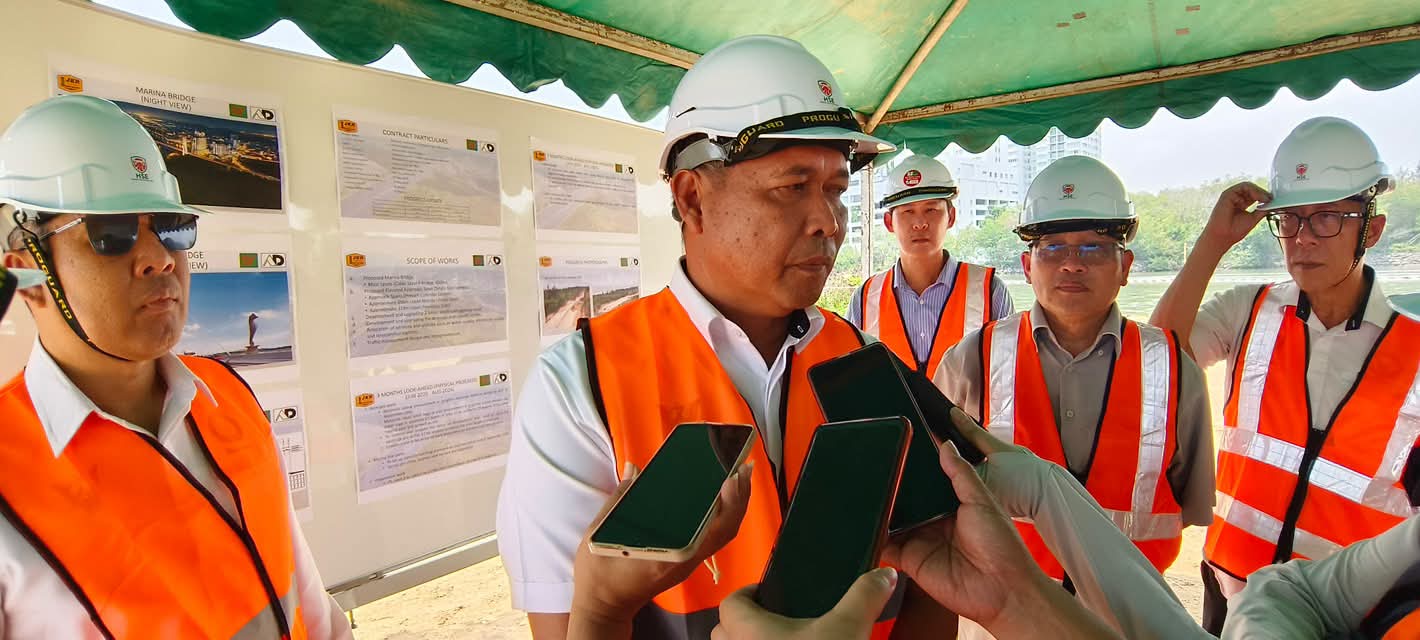
Plans for a marina and cruise terminal at Damai Peninsula, expanded water taxis, and smart transport initiatives are in place to support the River Economy under PCDS30.
Creative Industry and Cultural Identity
The creative industry has flourished under Abang Johari’s leadership.
Renaming the ministry to include Creative Industry and Performing Arts signalled a shift in priorities.
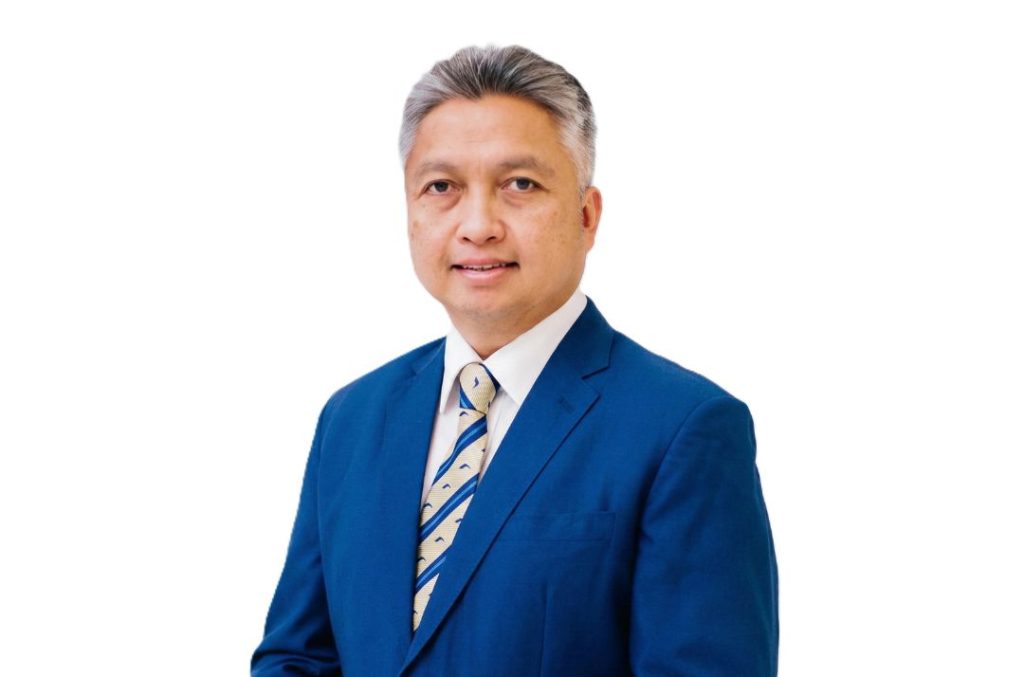
“Tourism is not just sightseeing—it includes heritage, culture, and the arts,” said Datuk Snowdan Lawan, Deputy Minister of Tourism, Creative Industry and Performing Arts.
With RM55 million allocated for cultural events and heritage projects in 2026, the state is investing heavily in local talent and infrastructure.
The upcoming Sarawak Performing Arts Centre, Sarawak Craft Centre, and Gastronomy Centre are expected to anchor Sarawak’s position as a cultural and creative hub.
TVS, the state broadcaster, will help promote local talent and creative entrepreneurship.
Success stories include nine-year-old Dion Das Louis, who won silver at the 2025 Dance World Cup in Spain, and UNIMAS’s BAYU troupe, which performed at France’s Festival de Confolens, showcasing Sarawak’s vibrant cultural heritage to the world.
Urban Planning in Kuching South
Under the PCDS30, Kuching South City Council (MBKS) is adopting green urbanism and digital governance.
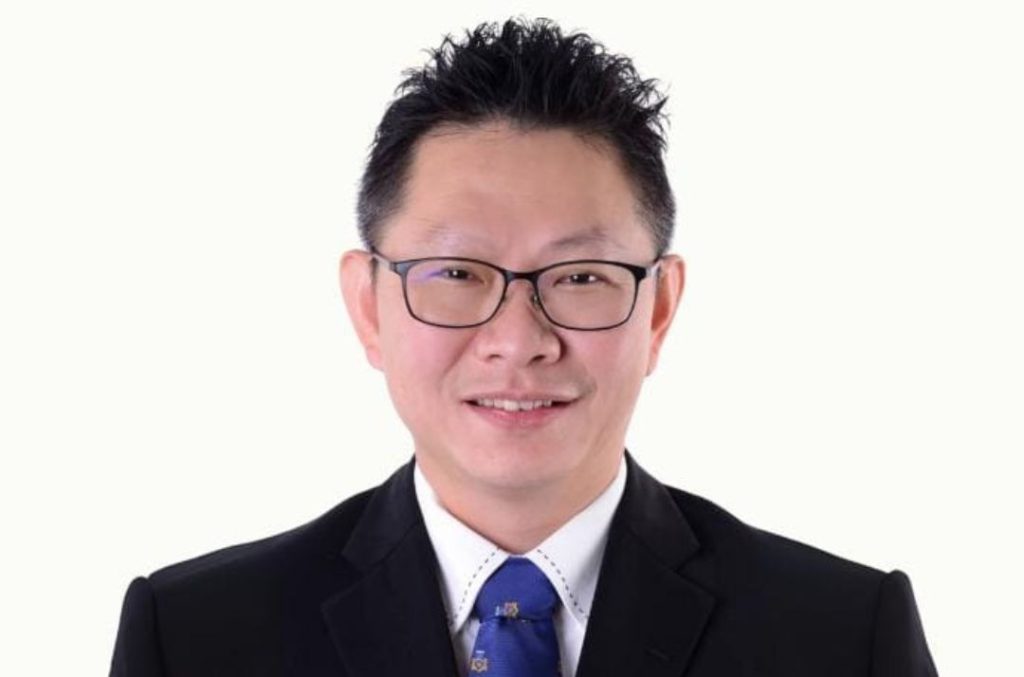
“Roads, walkways, parks—these are now designed to balance growth with nature,” said MBKS councillor Eric Tay.
Utility services are expanding, and digital apps like SEB Cares and Trineken allow citizens to report issues and request services quickly.
Hydrogen-powered buses, solar energy, and forest conservation are part of the city’s broader push towards sustainability.
Community festivals and inclusive urban spaces also reflect the state’s commitment to quality of life.
“We’ve moved from reactive planning to strategic development focused on people,” Tay added.
Bridging the Rural–Urban Divide
Sarawak’s vast geography has long made rural development a challenge. But under Abang Johari, this gap is narrowing.
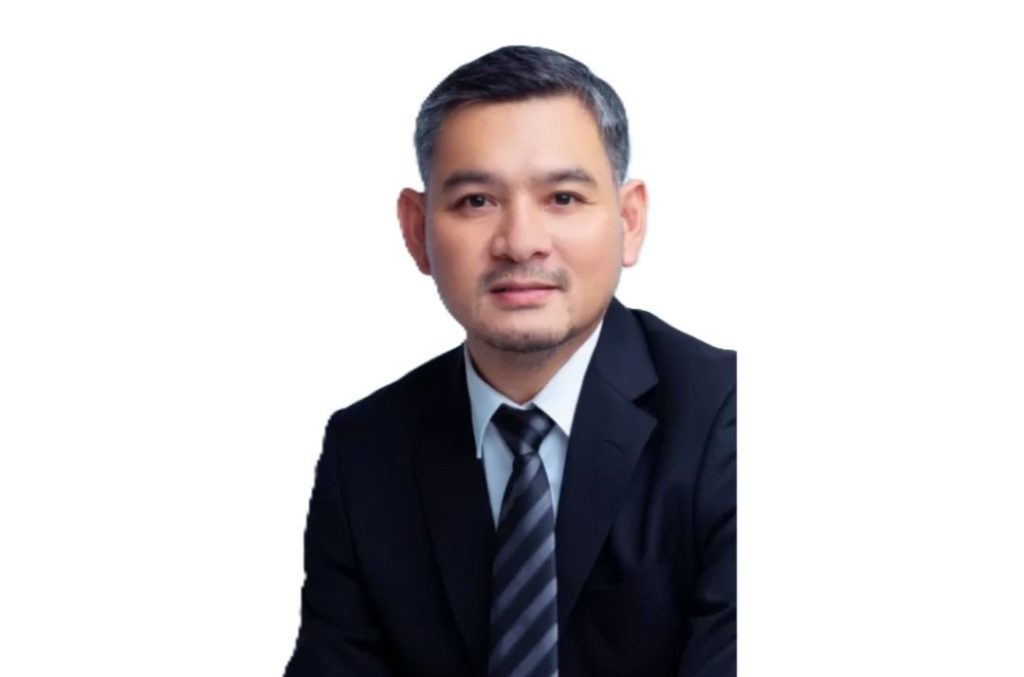
“Connectivity used to be a major barrier to opportunity. That’s changing fast,” said Andy Lawrence, Chairman of Kapit District Council.
The 2026 Budget allocates RM6.1 billion for new roads, bridges, and rural electrification.
Flagship projects like the Coastal Highway Network and Batang Saribas 1 Bridge are unlocking access to healthcare, education, and markets.
Digital inclusion is also expanding through MySRBN, bringing broadband to remote communities.
Local councils play a key role in delivering small but vital improvements—walkways, jetties, toilets, and better lighting—that directly impact daily life.
“No community should be left behind because of where they live,” Andy said.
Conclusion: Sarawak’s Path Forward
Nine years on, Sarawak has moved from catching up to leading with purpose.
“Sarawak Then was about catching up. Sarawak Now is about leading with confidence. Sarawak Next is about delivering opportunity through education, connectivity, and innovation—Segulai Sejalai, for Sarawak and Malaysia,” Ahmad summarised.
Through Green Nomics and PCDS30, Sarawak is proving that economic growth, environmental conservation, and social inclusion can go hand in hand.
From free education to hydrogen power, from creative hubs to river transport, the Premier’s vision is reshaping Sarawak into a state ready to lead not only within Malaysia — but across ASEAN.