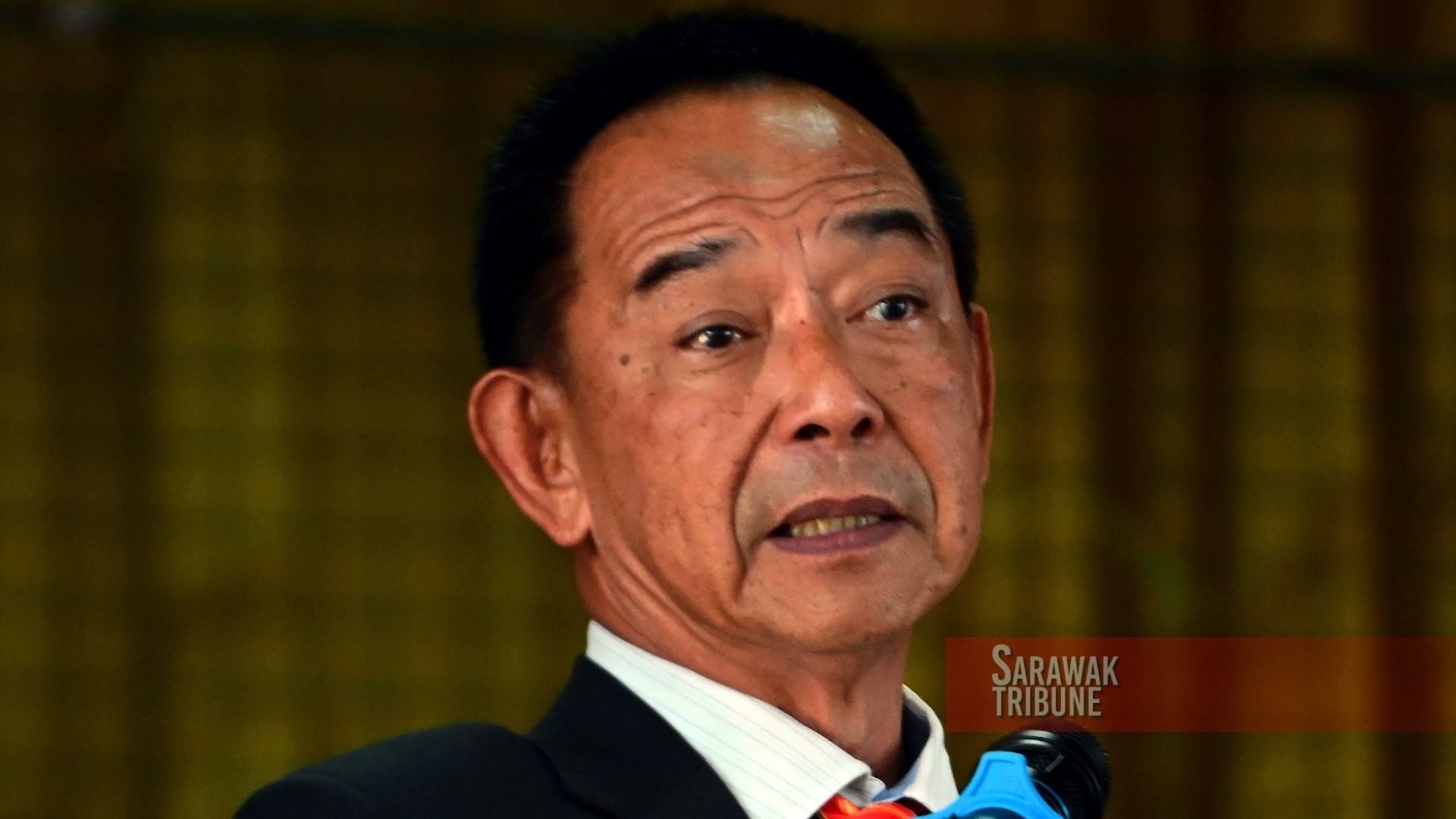
NINE years into the tenure of Datuk Patinggi Tan Sri Abang Johari Tun Openg as Premier, his administration has been viewed as reflecting a governance approach centred on institutional stability, policy coherence and long-term development planning.
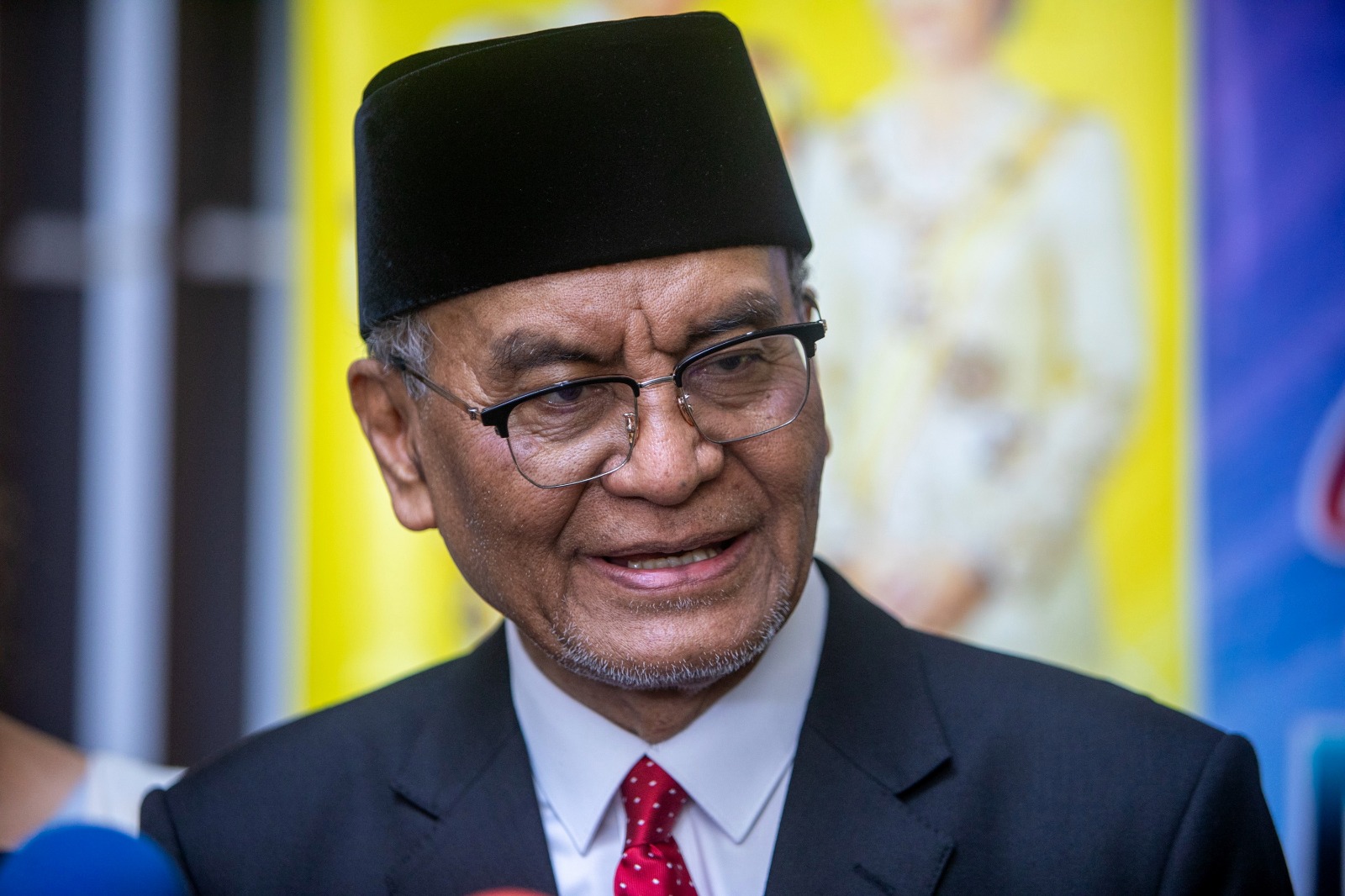
Political analyst Professor Dr Novel Lyndon said the administration had demonstrated an understanding of the relationship between the state, markets and society, with policies framed to balance economic growth alongside social and institutional considerations.
The Professor of Political Sociology said Abang Jo’s leadership had placed strong emphasis on coordinated planning and predictable policy settings as the foundation for effective development outcomes.
“By working within established governance structures while strengthening cross-sector alignment, the administration has supported an environment conducive to sustained economic activity and gradual social advancement.
“From a political economy standpoint, this reflects a pragmatic understanding of how institutional capacity and economic confidence interact to shape development trajectories.
“The Premier’s performance can be understood as one focused on consolidating governance frameworks and reinforcing the foundations for inclusive and durable growth,” he said to Sarawak Tribune.
Novel said that since taking office, the Premier’s administration had largely adopted a pragmatic and centrist policy orientation, with emphasis placed on stability, incremental reform and responsiveness to contemporary socioeconomic challenges.
He said the overall direction reflected an effort to balance economic competitiveness with social cohesion, rather than pursuing abrupt or radical structural transformation.
From a policy perspective, Novel said the administration had shown a generally solid capacity to translate strategic intent into implementation, particularly through clear planning frameworks and staged rollouts for key initiatives.
“While implementation outcomes naturally vary across sectors, the overall trajectory indicates a reasonable alignment between high-level strategy and operational delivery,” he said.
From an institutional standpoint, Novel said existing governance arrangements had played a constructive role in enabling policy delivery, especially through interdepartmental coordination mechanisms and central policy units.
He said these structures had contributed to administrative continuity, procedural clarity and policy consistency, while limitations were largely rooted in long-standing institutional complexities rather than weaknesses in political leadership or intent.
“The administration’s adherence to established bureaucratic norms has enhanced predictability and institutional trust, even as it has, by design, tempered the pace of transformative change,” he added.
From a policy coherence perspective, he said the administration had demonstrated a clear intention to align economic development, sustainability and social well-being within an integrated governance framework.
He said the use of shared policy narratives such as inclusive growth and long-term resilience reflected an understanding of the interdependencies between social, economic and environmental dimensions of development.
“While coordination across sectors is inherently complex, the administration’s approach suggests a thoughtful effort to balance multiple objectives and to situate development planning within a broader social context.
“This alignment provides a stable and constructive basis for coherent policymaking and supports more inclusive and sustainable outcomes over time,” he said.
Novel said the most evident policy outcomes to date were seen in areas where institutional continuity and strategic clarity were strongest.
He said the administration’s emphasis on coordinated planning had contributed to greater policy stability, improved administrative coherence and a clearer articulation of development priorities.
He added that these outcomes were particularly visible in the strengthening of governance processes, the reinforcement of social policy frameworks and the signalling of long-term economic confidence.
Novel said such developments had helped foster public trust and reinforce the legitimacy of state institutions.
However, he noted that as the policy agenda continued to mature, there was scope to further strengthen evaluative practices and to more systematically document social and distributional outcomes to ensure continuous policy learning.
Looking ahead, Novel said the way forward lay in reinforcing policy areas that strengthened continuity, coherence and long-term societal impact.
“Priority could be given to consolidating whole-of-government planning frameworks that align economic, social and environmental objectives, ensuring that policy initiatives remain mutually reinforcing over time.
“Continued investment in institutional capacity and policy coordination mechanisms will support effective implementation and sustain governance stability.
“At the same time, an emphasis on evidence-informed policymaking and inclusive stakeholder engagement can help ensure that policy development remains socially grounded and responsive to evolving needs,” he said.
He added that strengthening links between national strategies and local-level implementation would further enhance policy coherence and durability, reinforcing long-term development trajectories while maintaining institutional trust.