KUCHING: Schools across Sarawak have stepped up measures to tackle bullying as students return for the new academic term, with systems in place to monitor incidents and provide support to those affected.
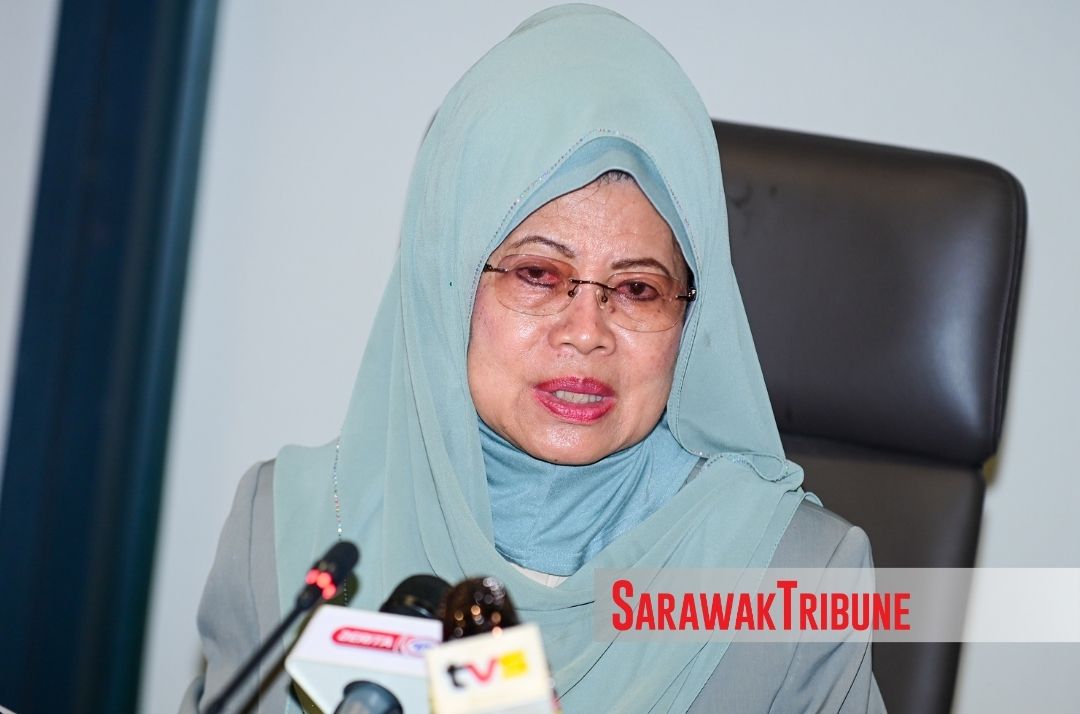
Women, Early Childhood and Community Wellbeing Development Minister Datuk Seri Fatimah Abdullah said that as the nation enters the second week of the term, attention is increasingly focused on student wellbeing, particularly efforts to curb bullying in schools.
“The Education authorities and school administrators are closely monitoring the situation to ensure anti-bullying measures are enforced effectively, especially as students settle back into their routines,” she said.
Fatimah stressed that safeguarding children in schools remains a priority, highlighting the importance of early monitoring and close cooperation between schools, parents, and authorities to prevent bullying.
“Monitoring mechanisms, reporting channels, and awareness programmes are being activated to ensure swift action can be taken should any incidents occur.
“Students must feel safe and supported. If any bullying cases happen, I encourage victims or witnesses to come forward so immediate intervention can be carried out,” she told Sarawak Tribune on the reopening of schools on Monday, January 12, 2026.
She also affirmed that the Standard Operating Procedures (SOPs) for managing bullying cases in schools remain fully in force and continue to guide institutions at the operational level.
“The establishment of the Sarawak Bullying Management Committee (SBMC) is not meant to replace these SOPs but to serve as a coordination and monitoring mechanism at the state level,” she explained.
Fatimah added that the SOPs, led by the Sarawak Social Development Council (MPS), are supported by the SBMC to strengthen prevention, intervention, and monitoring efforts through a systematic, multi-agency approach comprising representatives from the Education Department, Police, Welfare and Health Departments, Sarawak Multimedia Authority, Malaysian Communications and Multimedia Commission, non-governmental organisations, mental health experts, the Malaysian Human Rights Commission (Suhakam), as well as parents and community representatives.
“Through this committee, actions involving schools, welfare, health, enforcement and cyber-related agencies can be coordinated in a more integrated manner, especially in handling complex cases. It also allows for comprehensive, evidence-based monitoring of trends and the effectiveness of interventions.
“In essence, school-level SOPs remain the frontline in addressing bullying, while the committee strengthens support systems and governance at the state level,” she said.
For the record, as of Sept 25 last year in a press conference chaired by Fatimah, Sarawak recorded a total of 86 cases of bullying in schools in the first eight months of last year, with incidents detected even among primary school pupils as young as eight to 10 years old.
She said the figure was based on data recorded by the Sarawak State Education Department, which covered various forms of bullying, including physical, verbal, non-verbal, and cyberbullying.
She added that last year, Kuching and Padawan districts recorded the highest number of cases at 28, followed by Serian (14 cases), Sri Aman (5), Baram (4), Bintulu (3), Belaga (2), while Sibu and Bau recorded one case each. Of the total, physical bullying recorded the highest number at 54 cases, followed by verbal bullying (16), non-verbal bullying (9) and cyberbullying (7).