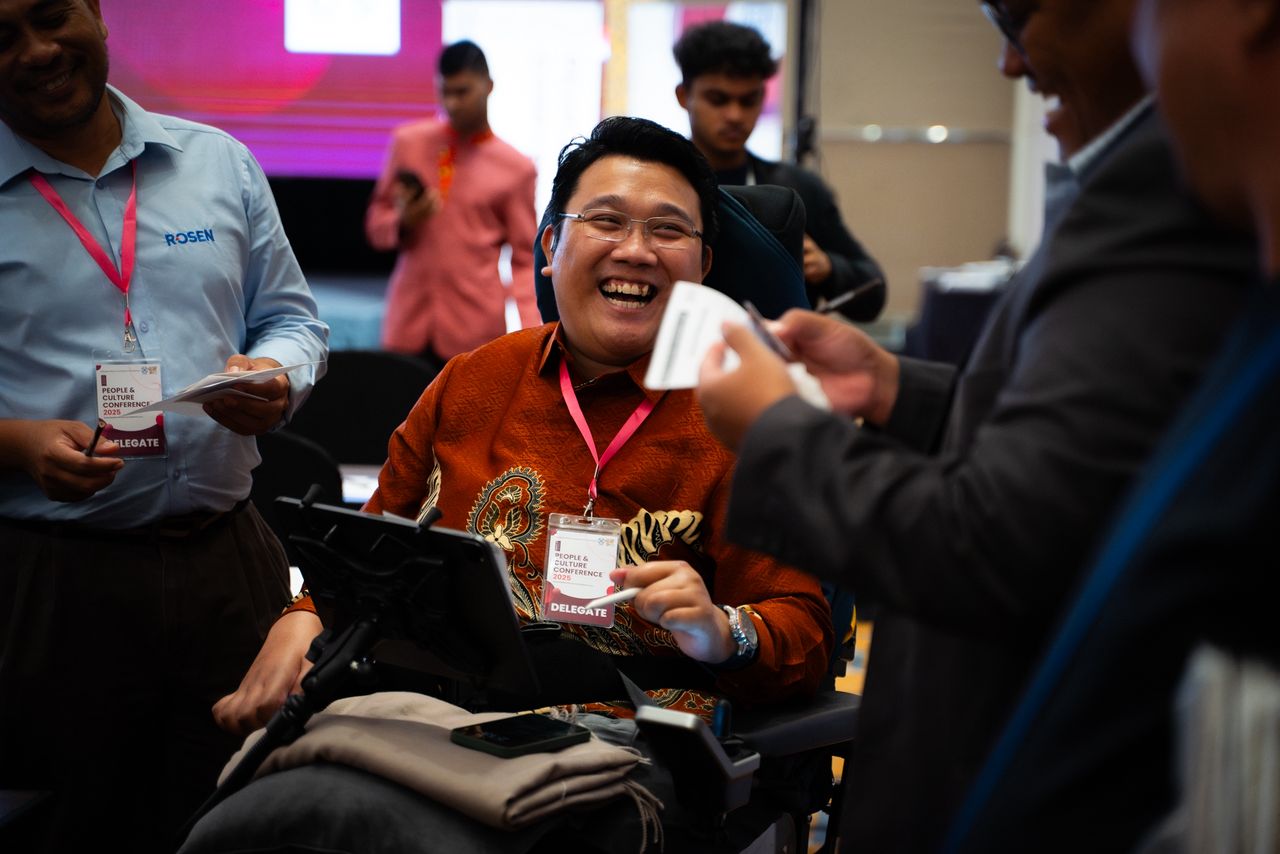
Often sidelined as charity cases, persons with disabilities remain underrepresented in Malaysia’s workforce, prompting spinal cord injury survivor, Amirul Safuan, to launch a professional training programme under his Inclusivity Academy.
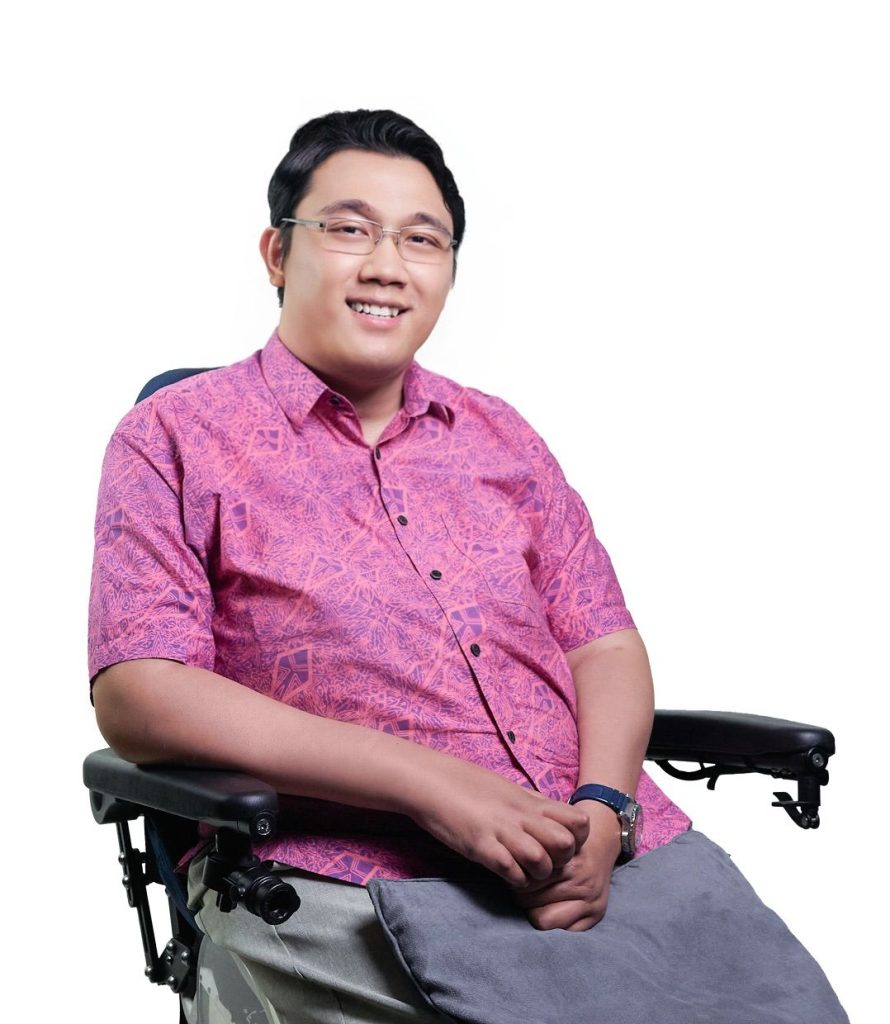
Inclusion in Action
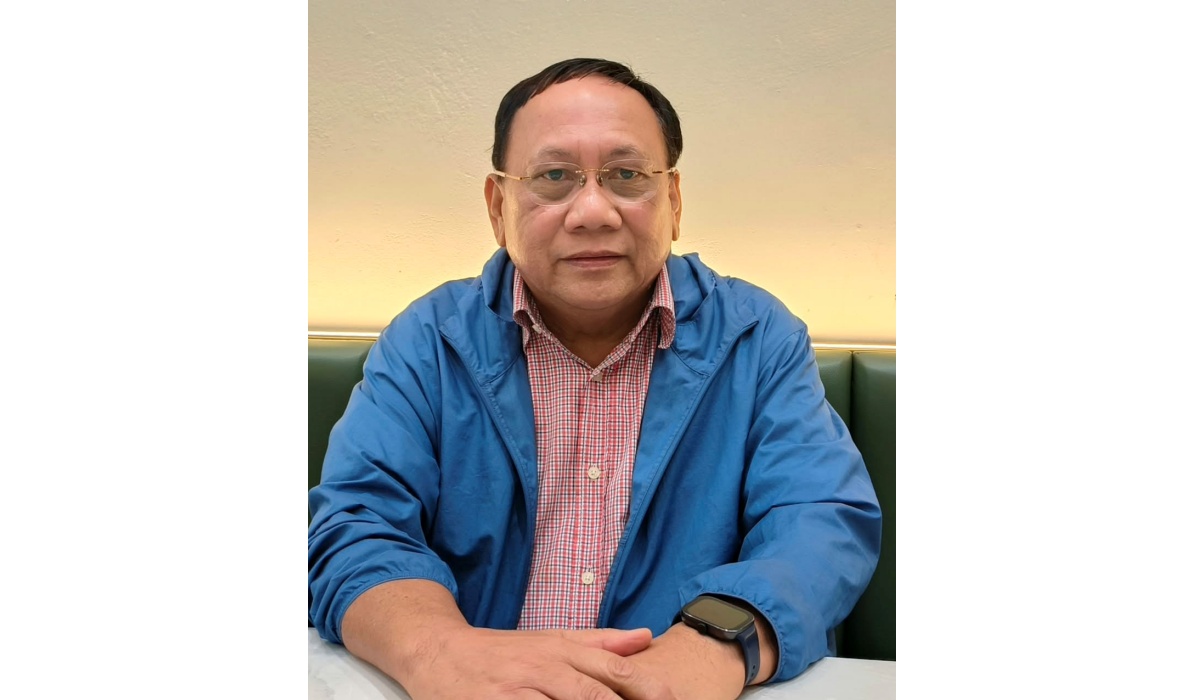
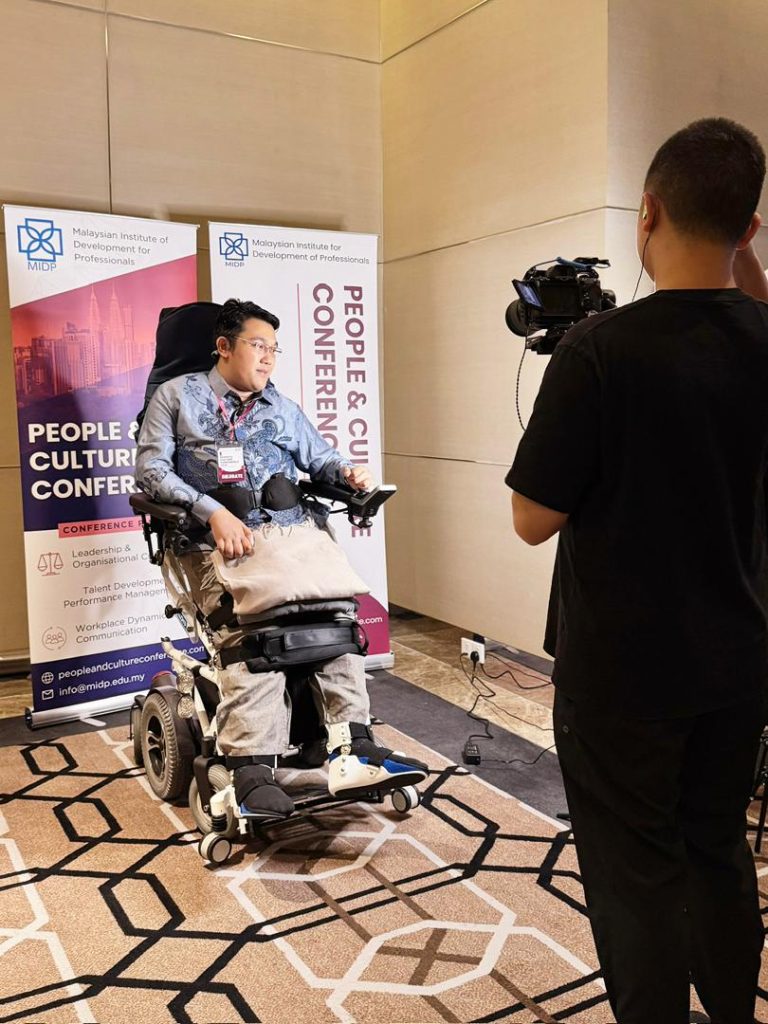
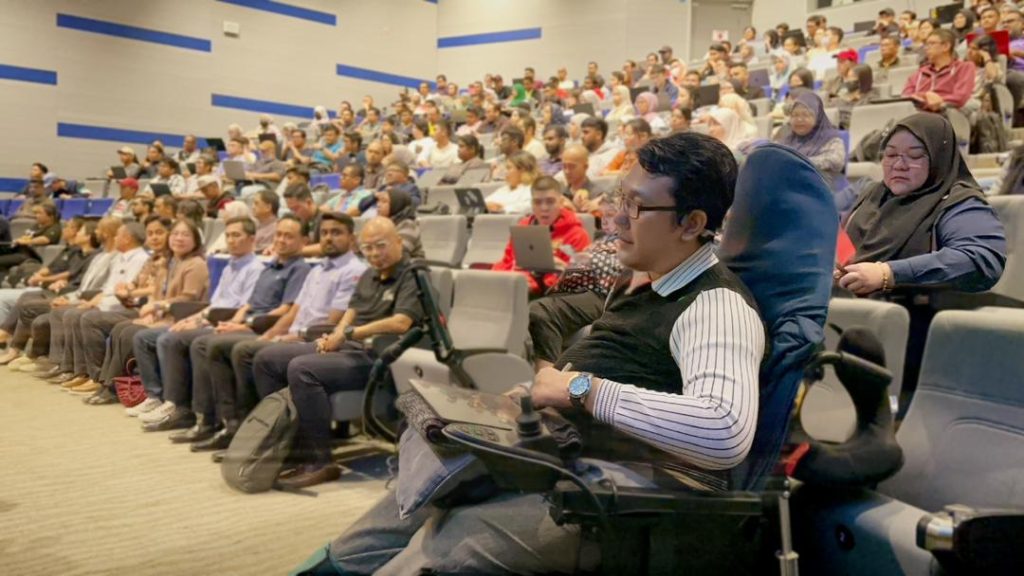
MANY people continue to view persons with disabilities (PWDs) as charity cases or a burden, rather than recognising them as a valuable talent pool, said spinal cord injury survivor Amirul Safuan.
Having lived with a spinal cord injury since an accident in 2020, Amirul hopes greater appreciation and inclusion for PWDs will take root in Malaysia’s future workforce.
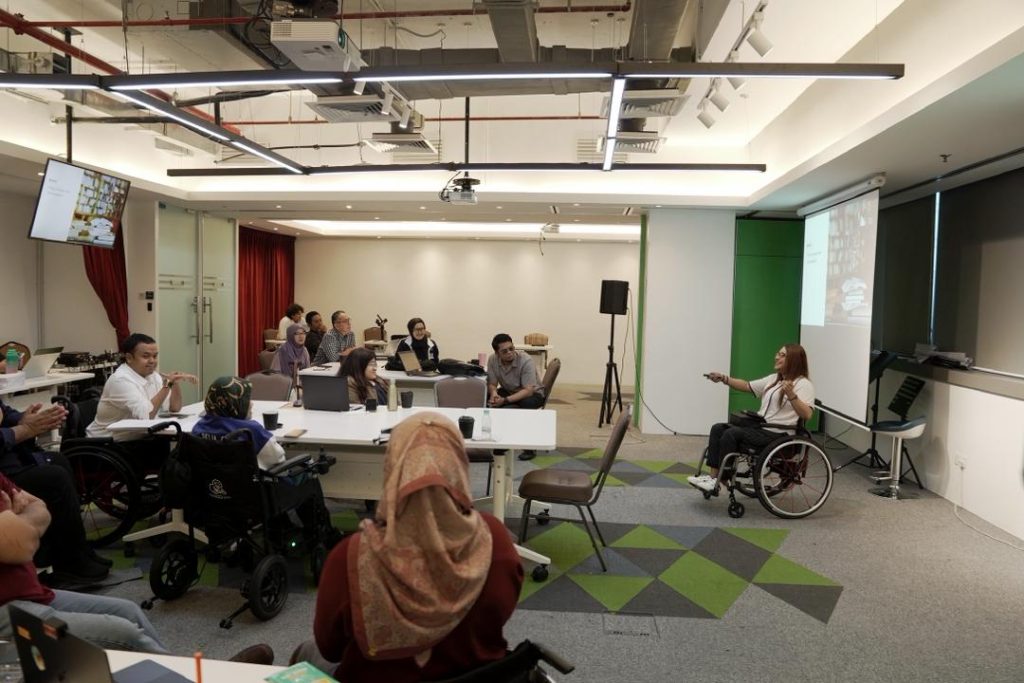
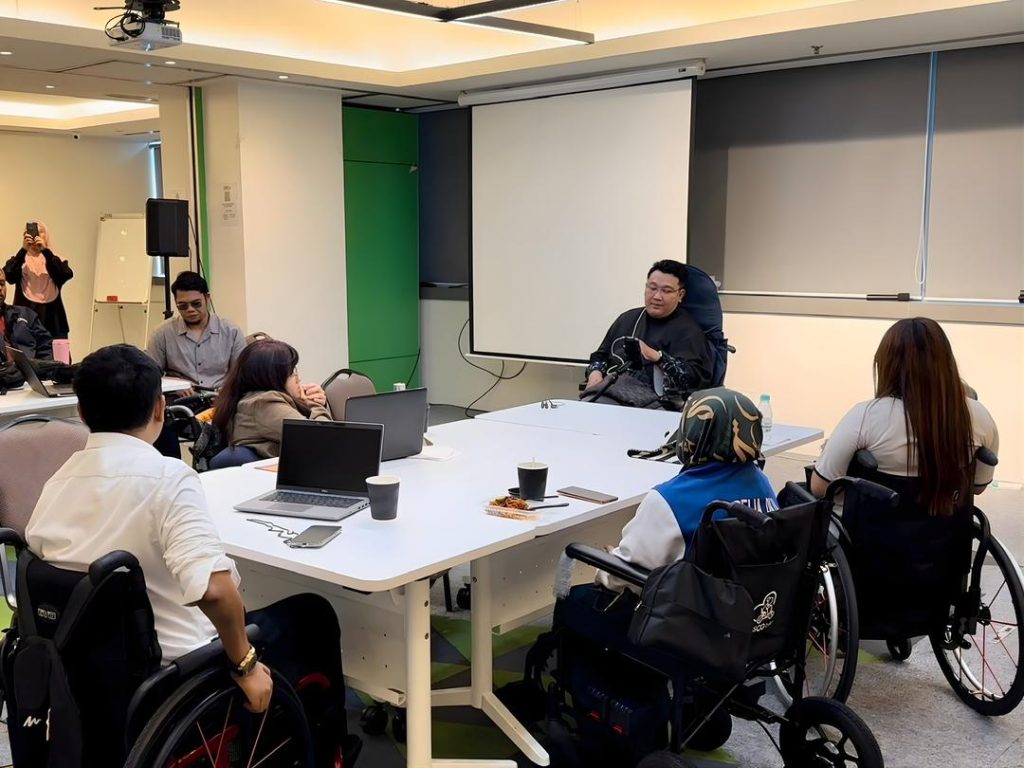
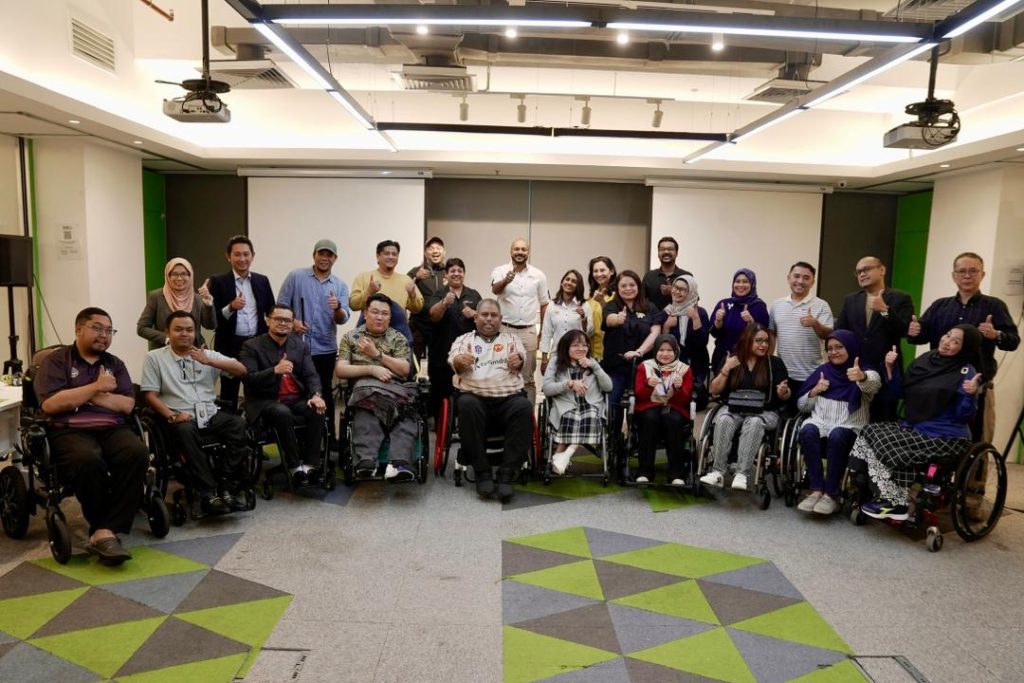
Last year, through his company, AMEER SAFONE Ventures (ASV), he launched the AMEER SAFONE Inclusivity Academy, introducing a hybrid HRD Corp Train-the-Trainer certification programme for the PWD community.
The programme aims to equip PWDs with recognised credentials, mentorship and access to the national trainer network – moving beyond charity-driven approaches towards sustainable professional participation.
The initiative was driven by structural gaps embedded within work systems, recruitment practices, job design and digital tools that were never designed with differing abilities in mind. Amirul noted that despite growing awareness, inclusivity in Malaysia still has significant ground to cover.
“These barriers exist in inaccessible work environments, physical spaces, public transport and digital platforms. At the same time, rigid job designs and human resource strategies often assume an ‘ideal worker’ model, leading to hiring decisions shaped by the misconception that PWDs cannot perform,” he said.
As a result, many capable PWDs are overlooked, leaving their talents untapped.
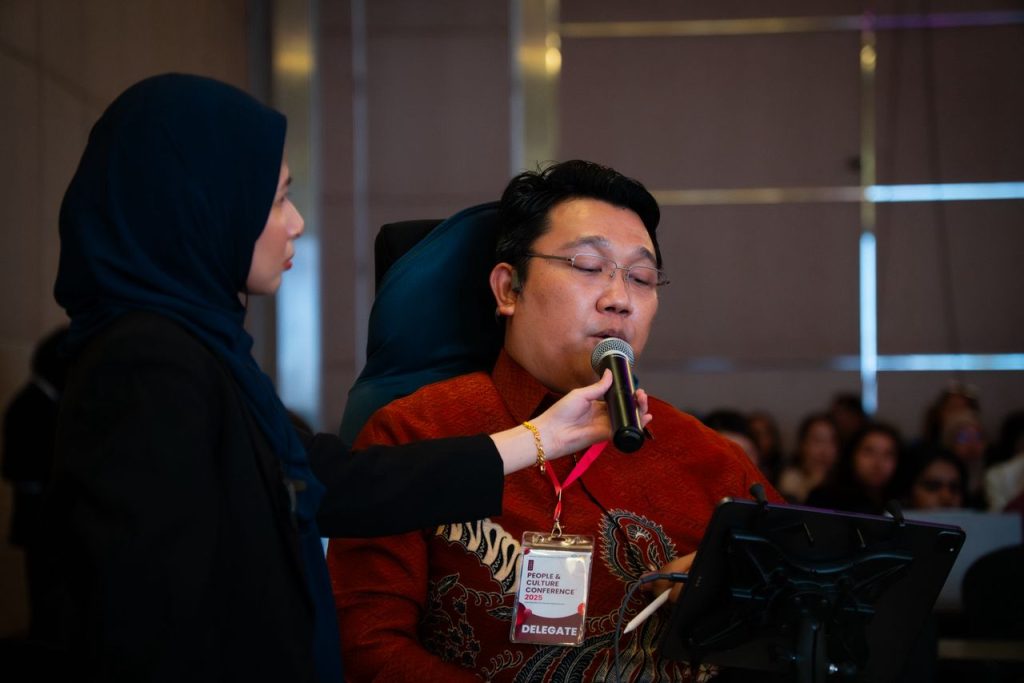
The hidden cost of exclusion
Citing World Bank estimates, Amirul highlighted that excluding PWDs from employment can cost a country between three and seven per cent of its gross domestic product (GDP). For Malaysia, with an economy valued at approximately USD400 billion annually, this translates to a potential loss of between USD12 billion and USD28 billion each year.
“These losses represent unrealised contributions across technical, professional and service sectors, simply because roles are not made accessible,” he said, adding that PWD talent remains widely underutilised.
“Many PWDs end up in roles far below their skill level due to recruitment bias or rigid job structures, which reduces overall productivity. Non-inclusive workplaces also experience higher staff turnover, leading to avoidable churn and increased retention costs.”
By redesigning jobs around outcomes, investing in accessible tools and removing bias from recruitment processes, companies can unlock economic value long constrained by structural barriers, Amirul said.
Filling the inclusivity gap
Amirul stressed that grassroots education plays a vital role in nation-building by fostering understanding and inclusion from an early age. However, representation of PWDs remains limited across professional and leadership spaces.
Through the AMEER SAFONE Inclusivity Academy and its partner, Knowledge Evolution, Amirul aims to enable PWDs to become certified trainers – shifting the narrative from support and assistance to professional recognition within Malaysia’s talent pipeline.
“We are certifying PWDs not just as employees, but as entrepreneurs, trainers and corporate facilitators. Bringing PWD trainers into the ecosystem expands perspectives, strengthens representation and improves the relevance of learning for mixed-ability teams,” he said.
The tailored PWD Train-the-Trainer programme addresses a long-standing structural blind spot by creating a recognised pathway into a sector where PWD talent has historically been underrepresented. Graduates are accredited by HRD Corp and are able to work across industries.
According to Amirul, graduates of the academy can become billable professionals.
“We don’t just train them. We provide the network for them to monetise their skills by linking them with training providers and organisations that require their expertise. This enables them to enter the market as professional trainers and beyond,” he said.
Looking ahead, Amirul hopes to expand the programme nationwide and explore deeper inclusion across other economic sectors.
“Our goal is to build trust between the able-bodied and the PWD community. This is the direction inclusion should take – opening up professions where PWDs contribute as experts, not merely as recipients of assistance,” he concluded.