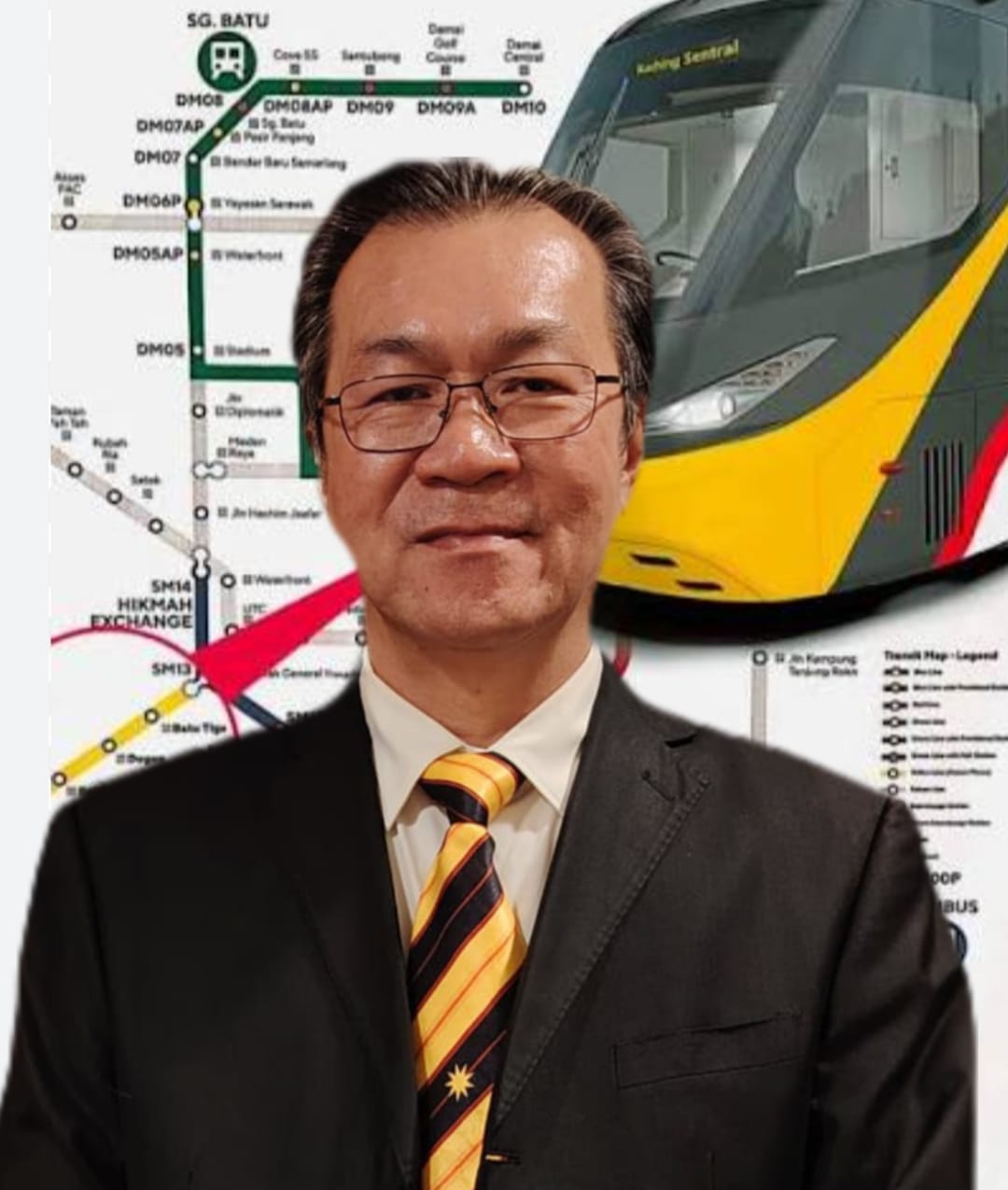
KUCHING: Kota Sentosa assemblyman Wilfred Yap said the Autonomous Rapid Transit (ART) project here should not be portrayed as a conventional bus or a rail system ‘in disguise.’
Dismissing opposition criticism on the project, he said such inferences lack proper research into modern public transport systems.
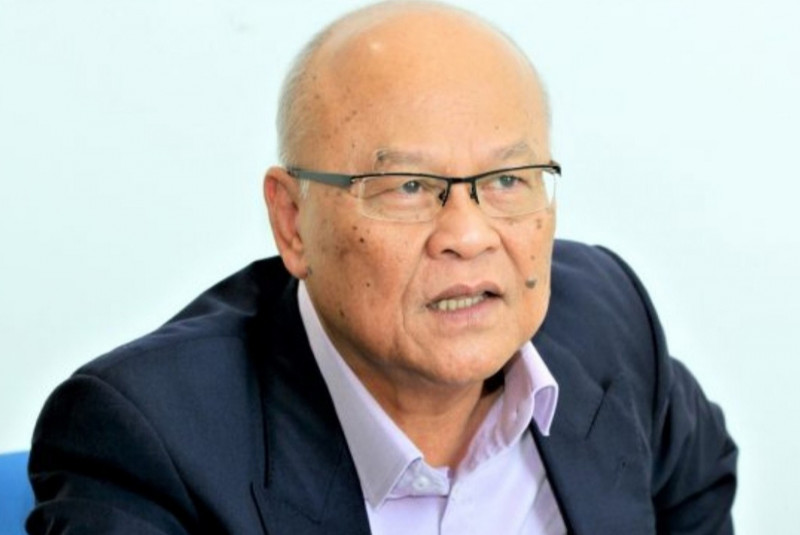
In a statement Monday he described such remarks by DAP Sarawak’s Violet Yong as misleading.
“ART is not a conventional bus, nor is it a ‘rail system in disguise’.
“Internationally, ART is recognised as trackless rail technology, designed to deliver rail-like capacity, reliability and safety without the cost and rigidity of steel rail infrastructure,” he said.
Yap added that the argument that ART is merely a bus because it runs on wheels was simplistic and inaccurate.
“Simply repeating that it runs on wheels does not make it a bus, just as airport people movers and guided trams are not suddenly classified as buses,” he said.
Yap also defended the use of dedicated and partially elevated corridors, saying these were necessary features to ensure safety, reliability and long-term scalability.
“The use of dedicated and partially elevated corridors is not extravagance, but sound planning.
“Kuching is a low-density city with limited road width and multiple river crossings. Expecting a high-capacity public transport system to run freely at street level shows a poor appreciation of Kuching’s urban reality,” he added.
He also criticised comparisons with street-running Bus Rapid Transit (BRT) systems, describing such arguments as outdated as many cities are now upgrading or grade-separating their BRT networks to better manage congestion and rising demand.
On cost, Yap said criticism of the project’s pricing was weak, claiming the Kuching ART costs significantly less per kilometre than Light Rail Transit (LRT) systems, including projects being pursued elsewhere in Malaysia.
“Kuching’s ART costs significantly less per kilometre than LRT systems,” he said.
He also pointed to other projects, saying Johor’s proposed ART includes elevated sections similar to Kuching’s design, while Penang is pursuing an LRT project under a DAP-led state government.
“Selectively attacking Sarawak while ignoring these facts raises serious questions about consistency and sincerity,” he said.
Yap added that Sarawak’s ART would incorporate hydrogen-powered vehicles, which he said supports the state’s clean energy agenda while reducing long-term operating and environmental costs.
“Finally, the suggestion that ART spending deprives Sarawakians of water supply, roads, or public services is plainly incorrect.
“Sarawak continues to invest heavily in water infrastructure, rural roads, healthcare, and education while modernising its public transport. This is balanced development, not neglect,” he added.