WHEN the Ministry of Education (MOE) announced that children could begin Year One earlier at the age of six starting from 2027, my first reaction was a simple one: this makes sense.
Not because it sounds progressive on paper, but because it reflects what many parents are already doing in real life.
Today, it is no longer unusual to see children entering kindergarten as early as three or four years old. By the time they turn six, many of them have already spent two or even three years in structured learning environments. They can recognise letters, read simple words, count confidently, and follow classroom routines with ease.
This is not theory. This is what I have seen with my own children.
After years in kindergarten, they walked into Year One not as wide-eyed beginners, but as learners who already knew much of what was being taught. And by Year Two and Year Three, something worrying began to show – not confusion, not struggle, but boredom.
They were repeating lessons they had already mastered. “It’s boring. The teacher is teaching us things we already learned in kindergarten,” is their usual response when I ask how school was.
So when the MOE says early entry is voluntary and based on readiness, I see it as an opportunity rather than a risk. The policy does not force parents to push their children ahead. It simply opens a door for those who are ready to walk through it.
But opening the door is only the first step. What lies behind it matters just as much.
If children are starting school earlier, we must also ask a deeper question: are our early primary years still designed for today’s children, or for a generation that no longer exists?
Kindergarten education has changed dramatically over the past decade. While some still follow the traditional “play school” model, many now introduce basic reading, writing, simple mathematics, problem-solving, and even early exposure to digital tools.
More established kindergartens also offer arts, creative subjects, and organised sports. As a result, children enter Year One with a learning foundation that was once only expected at a later age. Yet in many government schools, the syllabus for Year One to Year Three still assumes that children are starting from scratch.
This creates a gap – not in ability, but in engagement.
A child who is not challenged does not stop learning. Instead, they stop paying attention. And once that happens, even the best teacher will struggle to bring that spark back.
That is why I believe the early entry policy should be accompanied by a serious review of what we teach in those first three years of primary school.
The goal should not be to make lessons harder. It should be to make them more meaningful.
Instead of spending long periods repeating basic literacy and numeracy, schools could focus more on thinking skills, creativity, communication, and curiosity. Children at that age are naturally eager to explore the world. They ask questions, make connections, and imagine possibilities far beyond what is written in a textbook.
Our classrooms should nurture that, not flatten it.
The MOE has said that the 2027 School Curriculum will be tailored to different cognitive levels, including for children who may not have attended preschool. This is an important assurance. Not every child has access to quality kindergarten education, especially in rural and remote areas. Any reform must be inclusive and flexible, not one-size-fits-all.
This is where good screening, strong teacher support, and adaptive teaching methods become crucial. Early entry should be about readiness, not pressure. Parents should feel confident that their child is being guided, not rushed.
The ministry’s commitment to building more classrooms and training more teachers is also encouraging. Policies on paper only come alive in real classrooms, with real teachers and real students. Infrastructure and manpower are not side issues – they are the backbone of any successful reform.
But beyond buildings and staffing, we must also think about the bigger picture.
If students complete upper secondary education at 16, what comes next? Are we preparing them not just to finish school earlier, but to enter a world that is changing faster than ever?
Education today is no longer just about passing exams. It is about preparing young people to think critically, adapt quickly, and learn continuously. Starting earlier should not simply mean finishing earlier. It should mean learning better, deeper, and more purposefully along the way.
As a parent, I want my children to be challenged, inspired, and supported – not just academically, but as growing individuals. As a society, we should want the same for every child, regardless of where they come from or how early they start.
The early entry policy has the potential to be a positive step forward. But its success will not be measured by the age at which children enter Year One, or the age at which they leave Form Five.
It will be measured by something far more important: whether our children leave school curious, confident, and ready to face the world ahead.
If we get that right, starting early will not just be about time. It will be about giving our children a better beginning.
Disclaimer:
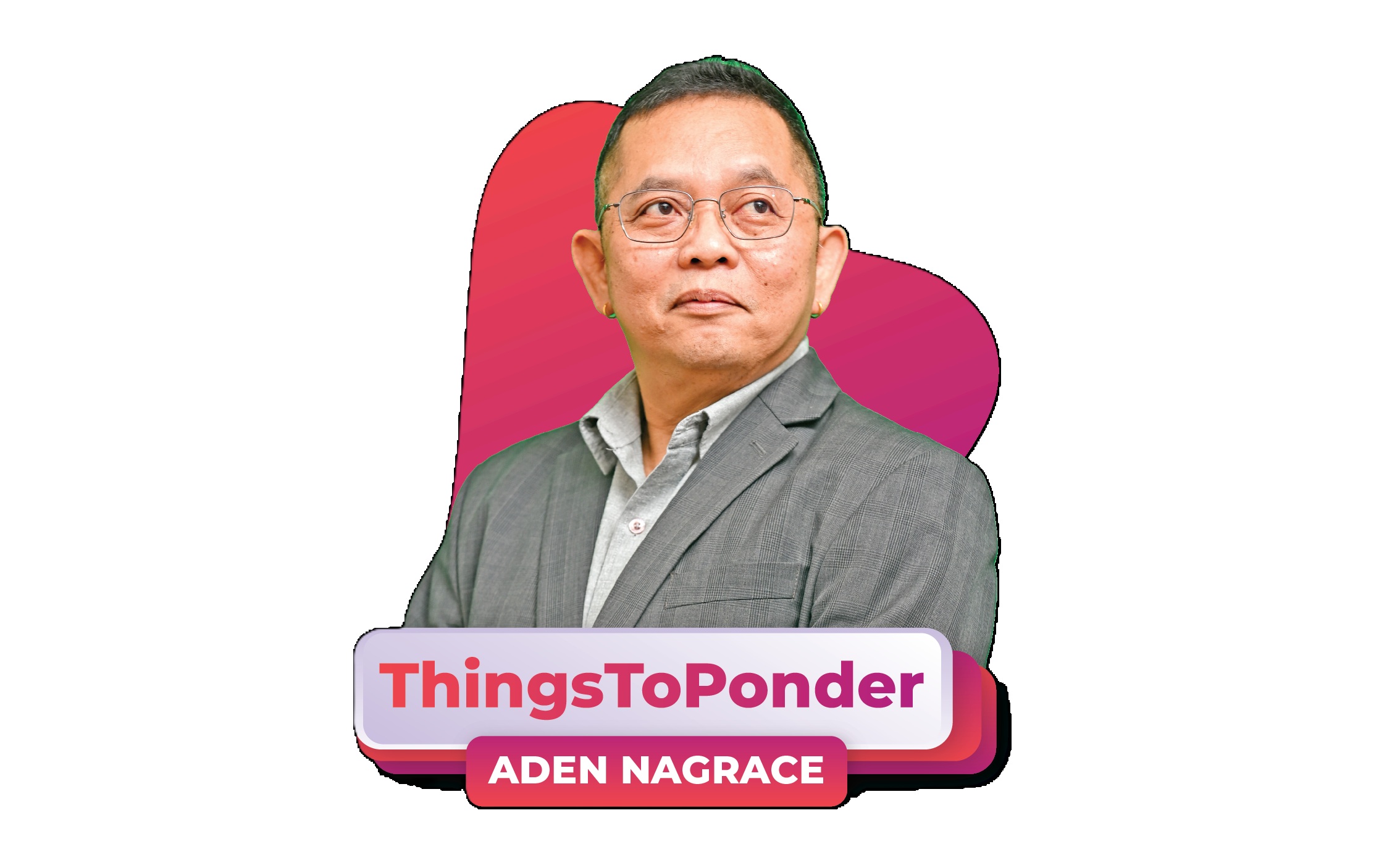
The views expressed here are those of the writer and do not necessarily represent the views of Sarawak Tribune. The writer can be reached at drnagrace@gmail.com.