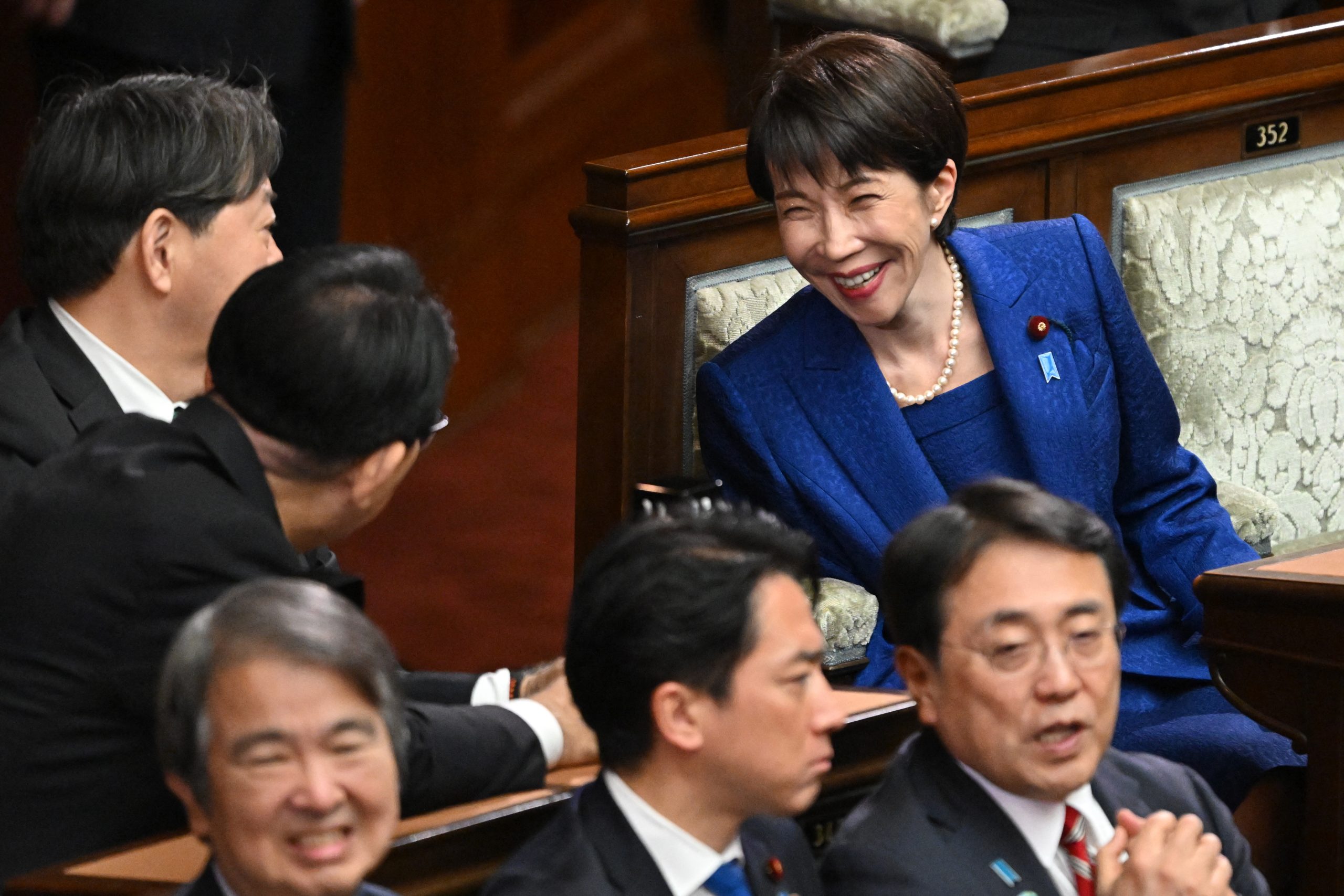
TOKYO, Japan: Japanese Prime Minister, Sanae Takaichi, dissolved Parliament on Friday (Jan 23) ahead of a snap election on February 8, counting on her cabinet’s high poll numbers to steer her otherwise unpopular ruling party to victory.
The country’s first woman premier announced her intentions on Monday, seeking public backing for measures to shield households from rising living costs and increase spending on defence.
The speaker of Parliament on Friday read out a letter, officially dissolving the lower house as lawmakers shouted the traditional rallying cry of “banzai”.
The ruling coalition of Takaichi’s Liberal Democratic Party (LDP) and the Japan Innovation Party (JIP) has only a slim majority in the powerful lower chamber.
But Takaichi is hoping widespread support for her cabinet will help deliver her a stronger mandate even though the LDP itself is battling low approval ratings and a string of scandals.
Her government has around 90 per cent support among those under 30, according to a poll published at the end of December by the conservative Sankei Shimbun newspaper and Fuji Television.
Public discontent over rising prices largely contributed to the downfall of Shigeru Ishiba, whom Takaichi succeeded in October.
While Japan was long haunted by deflation, it has more recently faced a surge in living costs and a chronically weak yen that has made imports more expensive.
Vowing to address the issue and shore up the world’s fourth-largest economy, Takaichi’s cabinet approved a record 122.3-trillion-yen (about RM3.08 trillion) budget for the fiscal year from April 2026.
But critics say dissolving the lower house risks delaying its passage through Parliament.
The upcoming campaign can also see immigration – a charged topic that led to the advent of an upstart populist party in summer elections – thrust back into the spotlight.
On Friday, Takaichi’s conservative government approved a set of policies including firming up a crackdown on illegally staying foreigners and curbing overtourism more.
If elected, Takaichi has pledged to cut a sales tax on food for a two-year period to “alleviate the burden” on people struggling with inflation.
Opposition parties are also calling for the tax relief.
Analysts say the election could be a close battle depending on the success of the alliance, but the opposition’s chances of winning remain slim. – AFP