KUCHING: What began as a small, community-driven practice rooted in tradition has steadily evolved into a modern sustainable agribusiness with big ambitions.
Si’et Mukah, a Sarawak-based sago worm producer, is forging a new path for this traditional delicacy by combining heritage knowledge with modern farming techniques and keeping the community at the center of its work.
Founder Januarius Tomek traces the company’s roots back to 2016, when it relied on traditional log-based methods that produced less than one kilogram from two logs.

“At that time, production using logs was much lower compared to the modern system now. Previously, using two logs, we could only produce less than one kilogram.
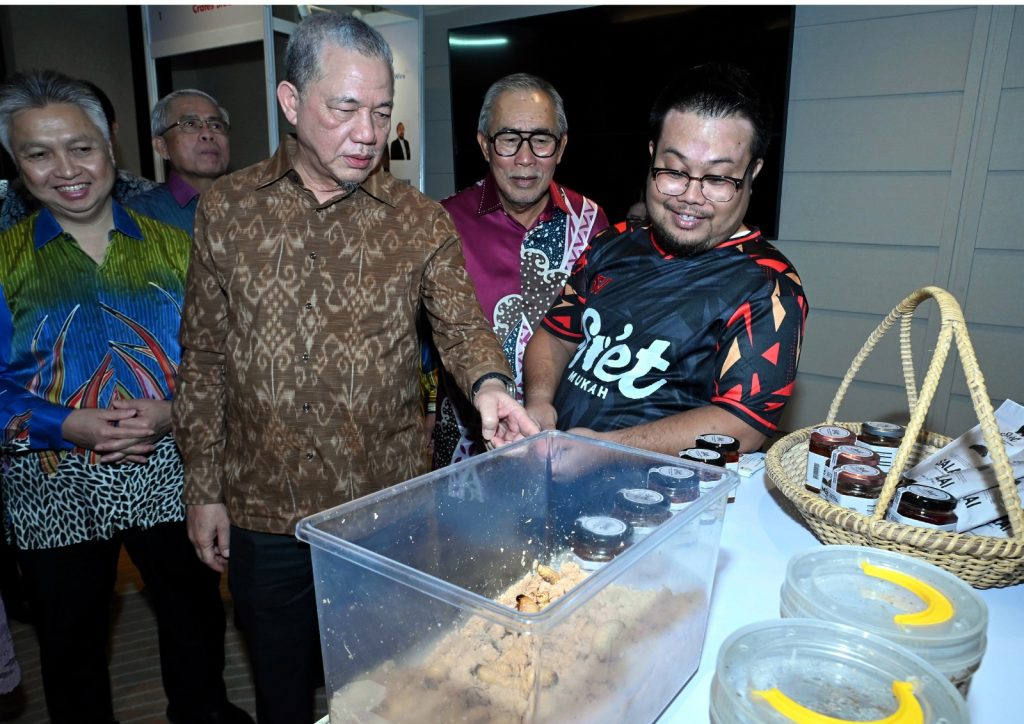
“With the modern method, using two log sections, we can now produce more than ten kilograms. This method is far more efficient,” he told Sarawak Tribune when met during the Shell LiveWire Malaysia 2025 National Award Ceremony officiated by Deputy Prime Minister Datuk Amar Fadillah Yusof at a hotel on Saturday (Jan 24).
Despite the technological shift, the motivation behind the venture has never been purely commercial.
“The inspiration for venturing into sago worm farming actually came more from the community rather than purely for business. Community support is our main focus.
“For example, we purchase the parent stock from the community and also buy sago from the community. It is about helping one another—mutual support,” he added.
Although Si’et Mukah operations became more structured around three years ago, its growth has been organic, fueled by rising demand.
Social media, particularly Facebook, played a crucial role in raising awareness, as interest grew, so did orders, encouraging the team to scale up production.
“Many people began asking about the product and purchasing it. That demand inspired us to expand further.
“As for financial assistance, we have not received any so far. Everything has been funded personally using our own resources,” he said.
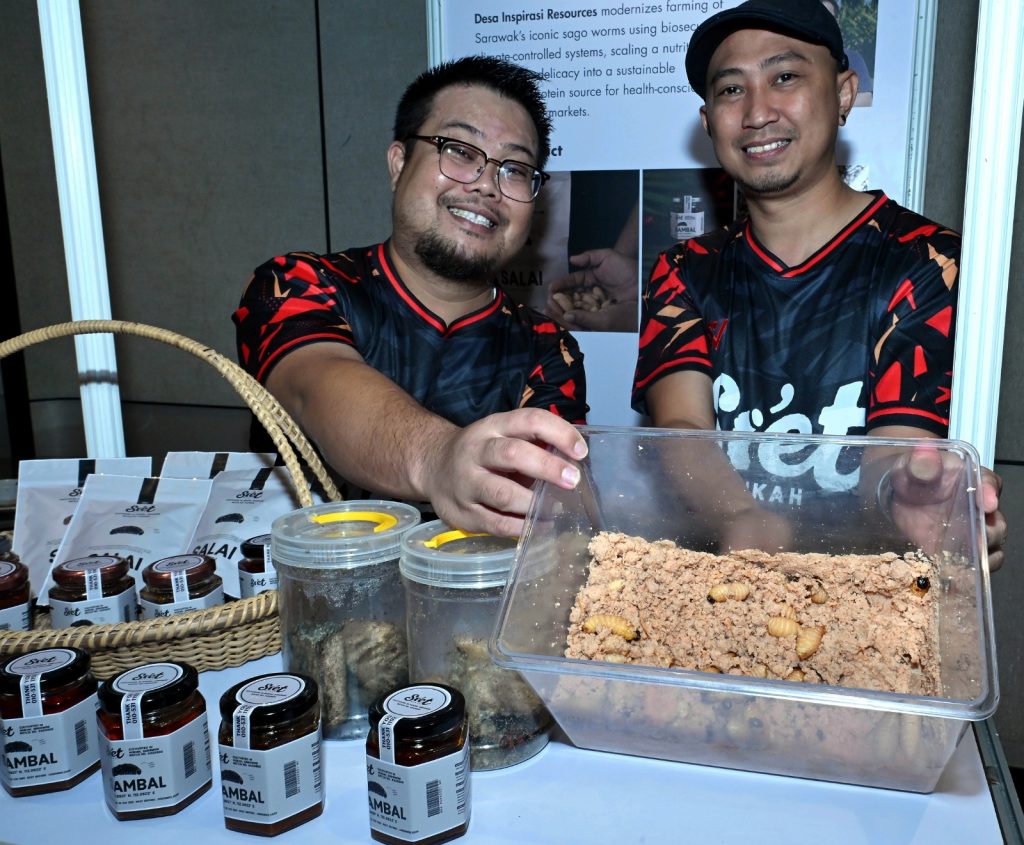
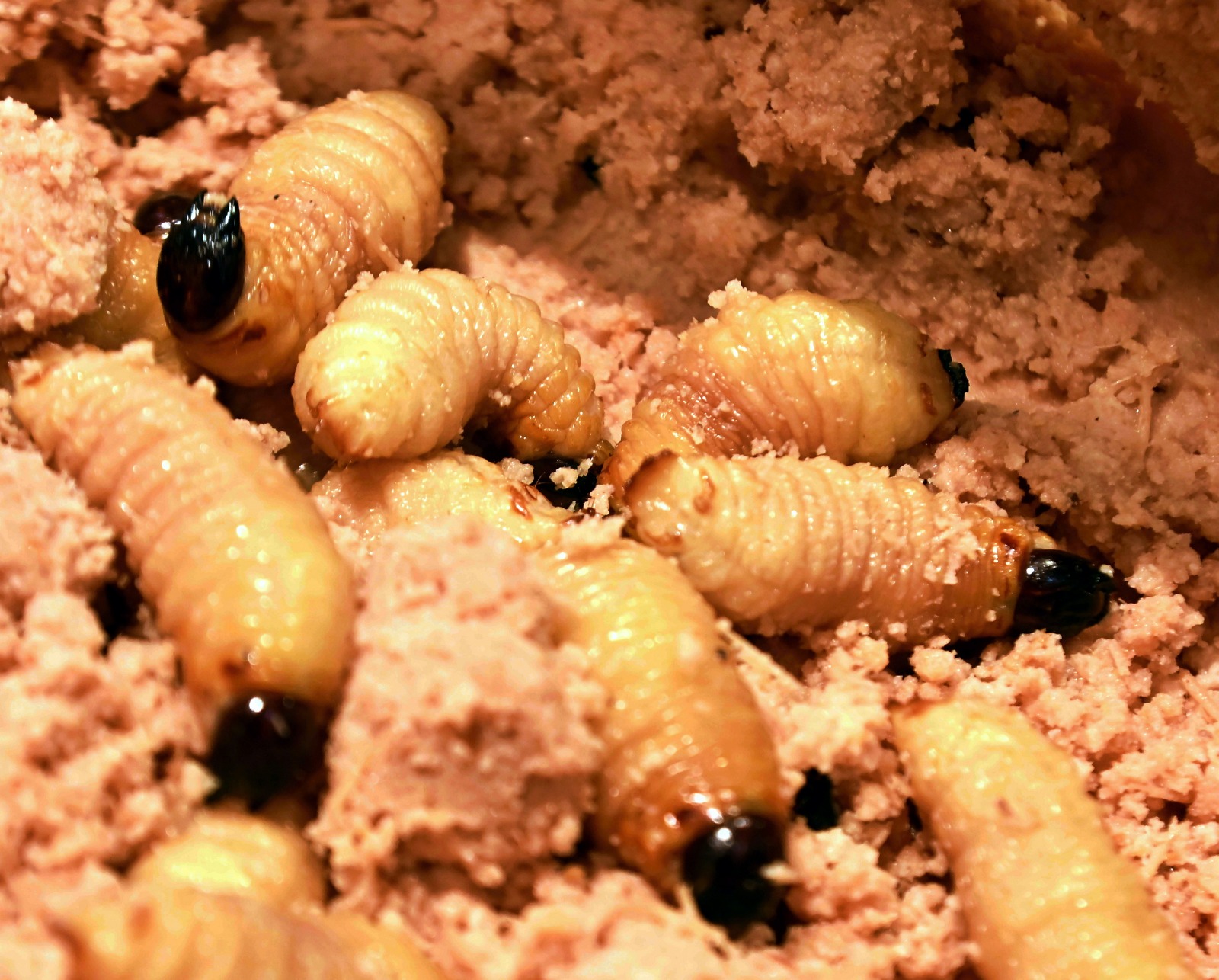
The sago worm production cycle is relatively short, taking 30 to 45 days.
He added that while they can be sold fresh at around 30 days, the worms reach full maturity at 40 to 45 days, making them more suitable for frozen and downstream products.
For now, wider commercialisation remains limited due to regulatory requirements.
“The products have not been shared or commercialised more widely yet, because we are still in the process of securing a nutrition label.
“We are expected to have it this year and are actively working towards that,” he added.
Looking ahead, he has set an ambitious goal of achieving RM1 million in sales by the end of 2026, building on projected 2025 sales of about 320 kilograms of fresh sago worms, worth approximately RM19,200.
From a broader perspective, Si’et Mukah’s manager Alexander Frederick believes public perception of sago worms is slowly shifting.
Known locally as ‘ulat mulung’, the worms are a traditional delicacy enjoyed by many local ethnic groups, including the Iban, Dayak, and Melanau communities.
“At the moment, sago worm products are still somewhat “underground.” However, they actually have strong potential to be promoted as local delicacies to tourists.
“The demand for sago worms is very high across different communities.
“In fact, we are currently unable to meet all the demand, even though many people are very enthusiastic about sago worms.
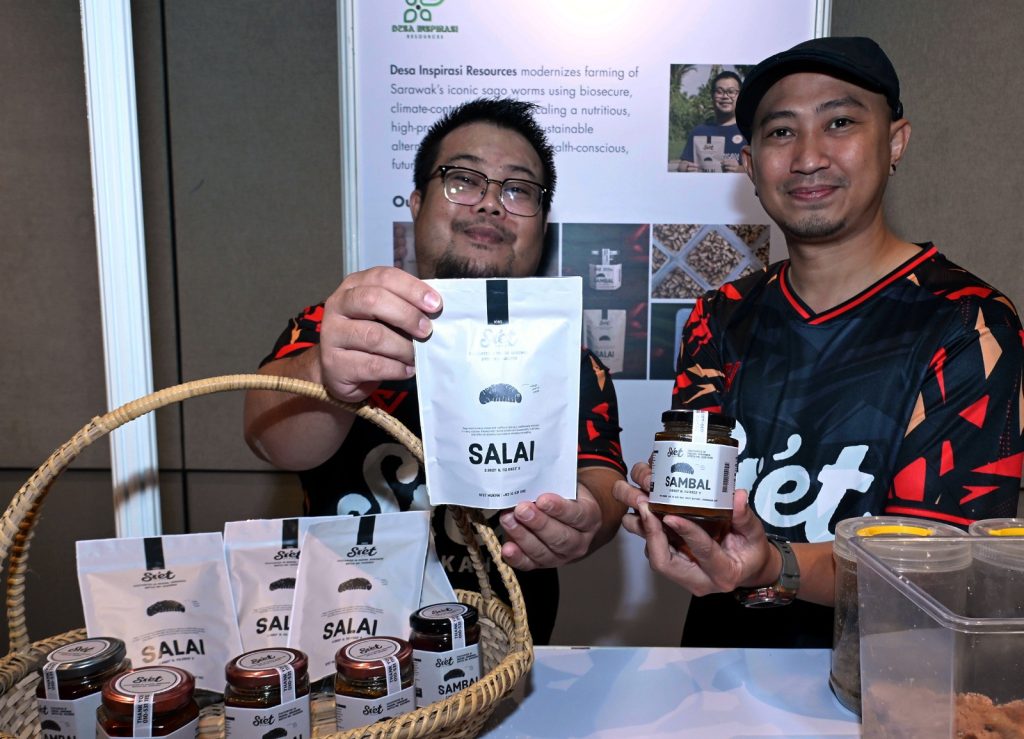
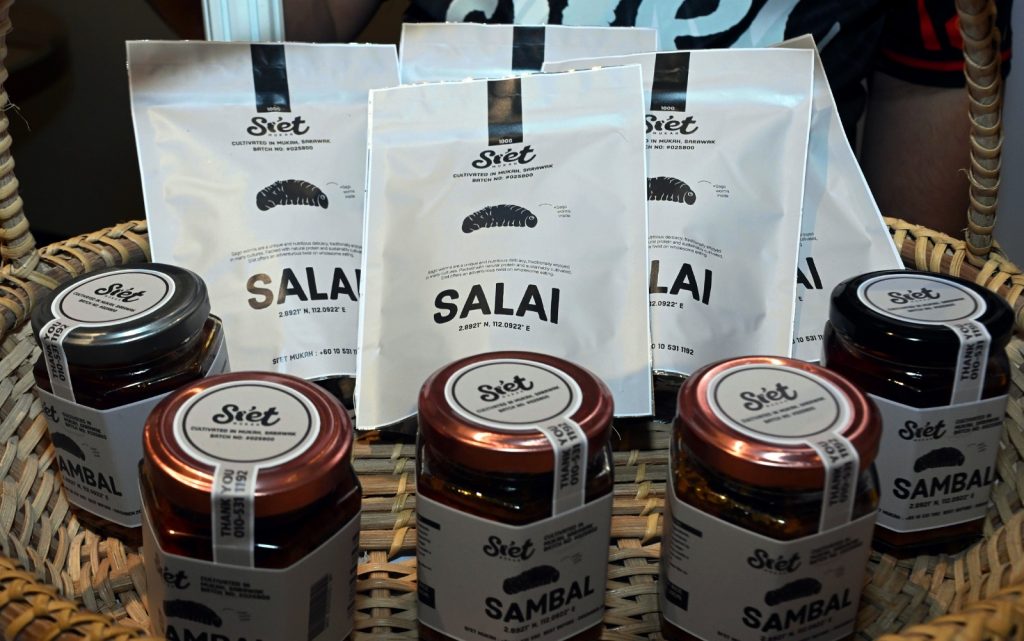
He added that Si’et Mukah’s vision extends far beyond selling fresh sago worms, with the company having begun developing downstream products such as smoked sago worms (salai) and sambal, with plans to introduce crackers (keropok) in the future.
“Our business model is community-based. We do not only focus on breeding sago worms; we also produce downstream products.
“Additionally, we want to turn our waste from our friends (sago worm) here into something environmentally positive, especially by using the fibre from our waste.
“Many of our partners also work with fibre production. Since we generate a lot of waste, we see strong potential for collaboration with these partners,” he added enthusiastically.
However, scaling up a community-based model comes with challenges with the lack of a systematic approach as one of the biggest hurdles.
“Our biggest challenge is the lack of a systematic method. This is not a one-person business.
“Although everything falls under one brand, Si’et Mukah, we work with many different communities.
Currently, we collaborate with about 40 communities who breed sago worms independently, and we collect from them.
“One issue we face is inconsistent weight measurement. Sometimes a batch is 400 grams, sometimes 900 grams, instead of a standard one kilogram,” he said.
He stressed that establishing standardised systems is crucial not only for fair payment to breeders but also to strengthen the Si’et Mukah brand as a trusted, high-quality producer.

On marketing and outreach, Alexander said that Si’et Mukah is currently focusing on operations and breeding, as most of the team lacks experience in social media management.
“Moving forward, we plan to establish a dedicated social media unit. This team will focus on live selling and content creation related to sago products.
“Our focus will not be limited to TikTok, we also have a website that needs further development.
“We already sell through our website and WhatsApp, but our reach is still limited. Our next step is to fully utilise all available media platforms to reach a wider audience,” he said.
Those interested to learn more or get in touch, contact 010-531 1192 or visit www.d-inspirasi.info.