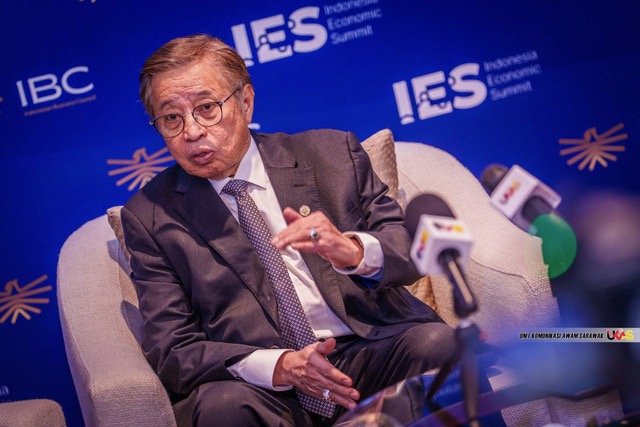
JAKARTA: Borneo has the potential to emerge as a new economic powerhouse within ASEAN with stronger strategic cooperation among countries on the island, particularly in green energy, semiconductors and the digital economy.
Premier Datuk Patinggi Tan Sri Abang Johari Tun Openg said Borneo, which spans three ASEAN members – Indonesia (Kalimantan), Malaysia (Sarawak) and Brunei Darussalam – was well positioned to develop a collaborative economic framework that could contribute to regional growth.
He said Malaysia, during its tenure as ASEAN Chair, had identified energy as a key area of focus, noting that Sarawak possessed strong potential in renewable and green energy development.
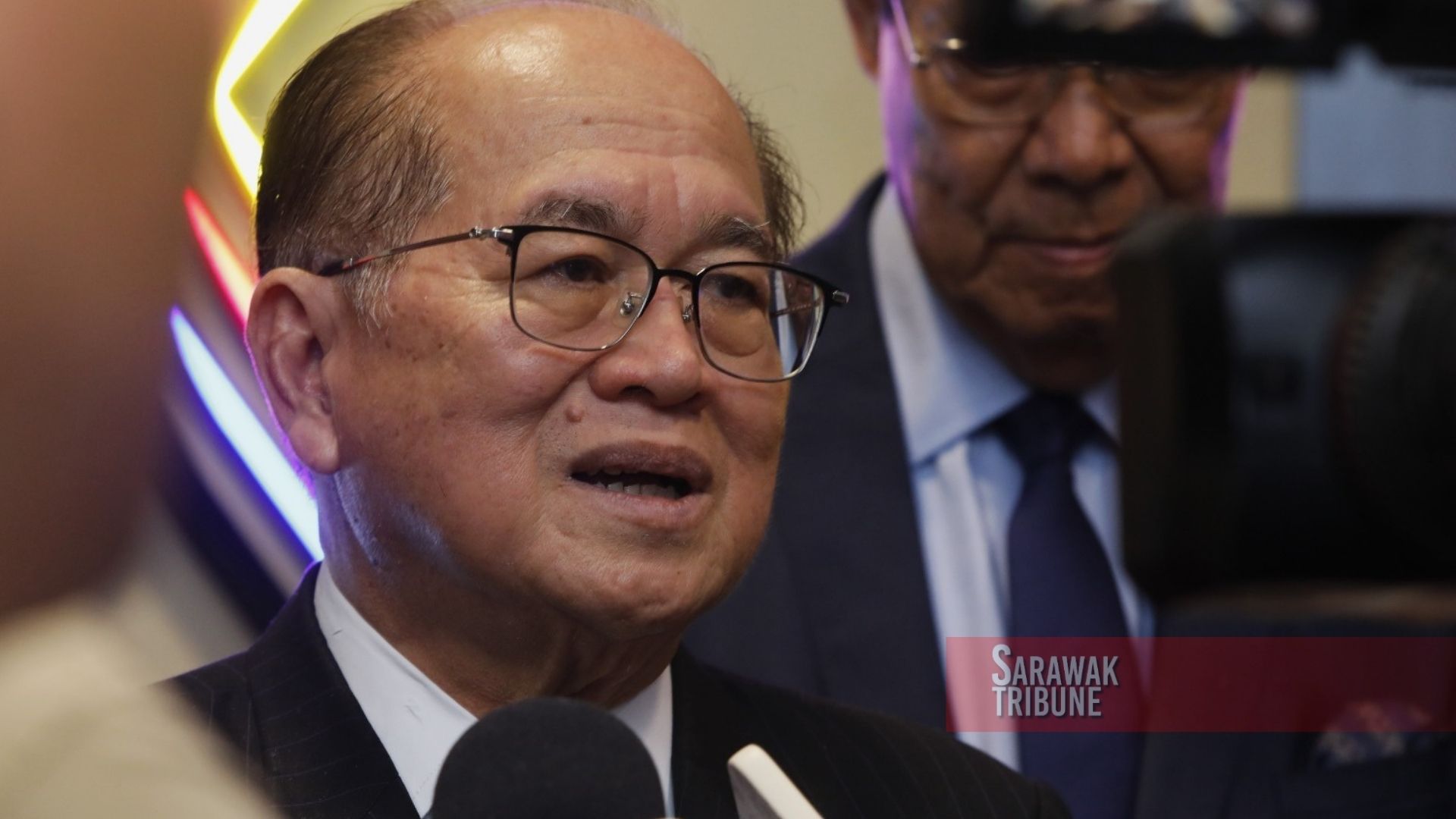
“This is a very important energy source against the backdrop of climate change. With that, I think we can work together to supply surplus energy that can be shared with ASEAN countries,” he said at a press conference after delivering a keynote address at the Indonesia Economic Summit (IES) 2026 here Tuesday (Feb 3).
Abang Johari said Sarawak was already supplying electricity to West Kalimantan through Sarawak Energy, which also holds a 25 per cent stake in a hydropower project in North Kalimantan.
He said Sarawak currently supplied 100 megawatts (MW) of electricity to Sabah, with potential for capacity expansion in the future.
“By the end of this year or the first quarter of 2027, we will also supply energy to Brunei. After that, energy will be transmitted via submarine cables to Peninsular Malaysia and Singapore,” he said, adding that the initiative would support efforts to attract foreign investment.
On regional cooperation, Abang Johari said government-to-government (G2G) collaboration between Sarawak and Kalimantan, along with the BIMP-EAGA platform, would further strengthen cross-border economic integration.
He also highlighted Sarawak’s progress in the next-generation semiconductor sector through SMD and a research centre in Cardiff, United Kingdom, including the development of artificial intelligence-powered chips that were currently pending intellectual property approval.
He said the chips had potential applications in healthcare, automotive and aerospace industries, adding that Sarawak was prioritising aerospace development through collaborations involving local universities and Istanbul Technical University in Turkiye.
“With these initiatives, we can also collaborate with neighbouring countries in the semiconductor field,” he said.