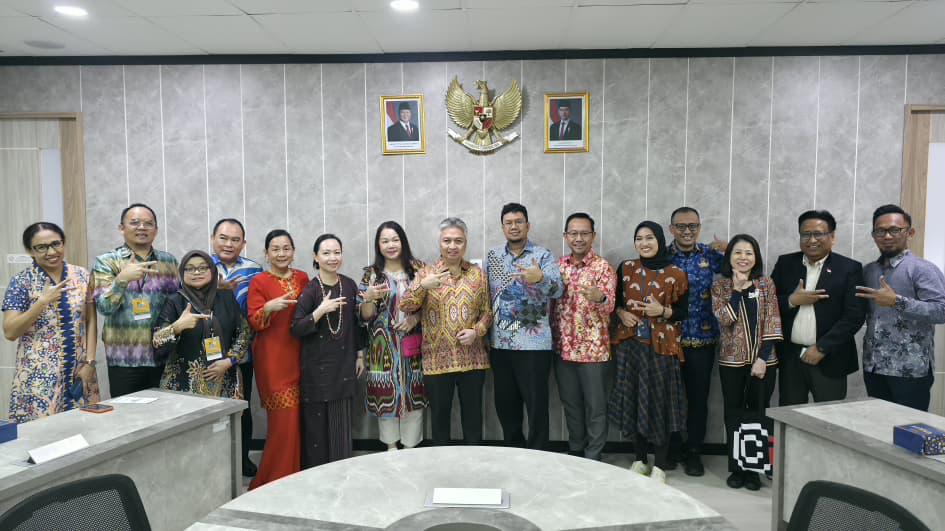
JAKARTA: Heritage-based creative industries are being positioned as key drivers of inclusive economic growth, sustainable tourism and community empowerment following a strategic bilateral engagement between Sarawak and Indonesia’s Ministry of Creative Economy in Jakarta today (Feb 5).
Deputy Minister for Tourism, Creative Industry and Performing Arts, Datuk Snowdan Lawan, said collaboration with Indonesia – a regional leader in creative economy ecosystem development – offers valuable opportunities to strengthen sustainable, heritage-based industries that benefit local communities, including women and rural artisans.
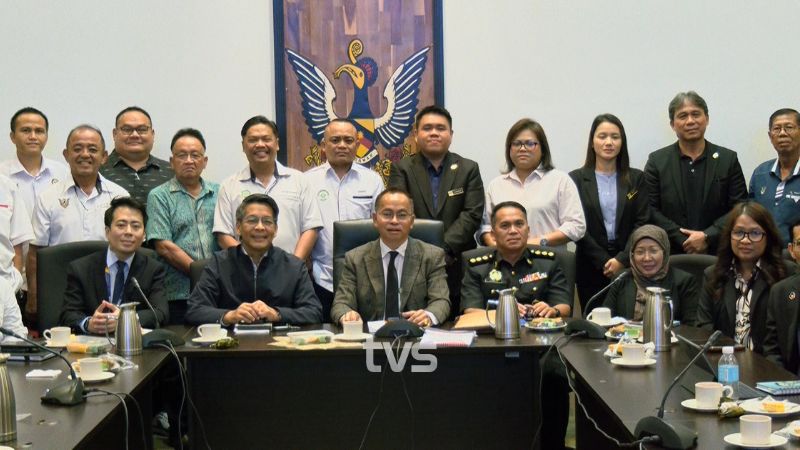
The meeting, held in conjunction with Sarawak’s participation in the Jakarta International Handicraft Trade Fair, brought together representatives from both sides to explore cooperation through a creative industry ecosystem approach that integrates government, industry, communities, academia, media and financial institutions.
Snowdan stated that discussions centred on advancing craft sector development, creative entrepreneurship, heritage safeguarding and market expansion strategies, while enhancing productivity, digital readiness and international market access for artisans and creative micro, small and medium enterprises (MSMEs).
“Sarawak shared that its current creative industry development model is strongly driven by government agencies, communities, academia and media, with heritage and community empowerment at its core.
“The engagement also enabled Sarawak to explore ways to strengthen the roles of private industry investors and financial institutions in scaling heritage-based crafts and improving access to sustainable financing,” he said.
Snowdan added that Indonesia’s community-based Hexahelix model – which coordinates collaboration among multiple sectors within the creative economy ecosystem – was highlighted during the dialogue as a framework that could further support Sarawak’s industry growth.
“Both parties exchanged insights on policies supporting artisans and community-based enterprises, while identifying opportunities for knowledge exchange on institutional coordination, creative financing mechanisms and strategies to elevate traditional crafts into globally competitive creative sectors,” he added.
The engagement is expected to support expanded market access for Sarawak and Indonesian creative products through trade fairs, exhibitions and business matching initiatives, while laying the groundwork for future cooperation frameworks to strengthen ecosystem-based collaboration and elevate regional creative industries on the global stage.